
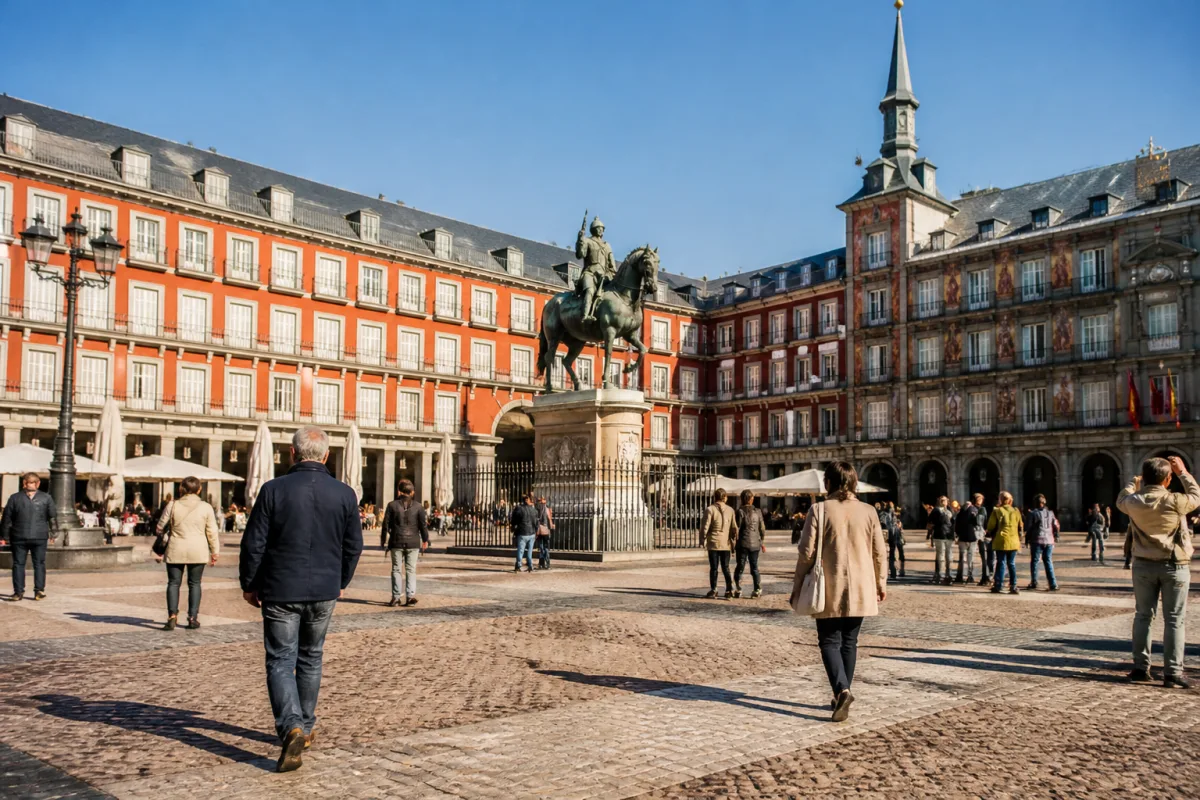

In 2025, over 299,700 people acquired Spanish citizenship—the highest figure in the country’s history. However, this doesn’t mean every passport is easy to obtain: most Russian citizens still wait 10 years of residence, while Latin American residents can naturalize in 2 years. Spain is indeed open to immigrants, but routes and timelines depend on the applicant’s origin and goals.
Why 300,000 passports aren’t for everyone
Record figures are explained by the structure of Spanish citizenship. Spain offers preferential naturalization pathways for specific immigrant categories: certain citizens of Latin America, the Philippines, and Andorra obtain citizenship after 2 years of residence instead of the standard 10 years. This is a fast route to an EU passport for people from Spanish-speaking countries.
For Russian citizens, preferential pathways barely exist. The standard route is 10 years of residence in the country. Additionally, obtaining Spanish citizenship requires renunciation of all previous nationalities.
Residence permit as the first step to a passport
Despite the lengthy path to citizenship, obtaining a Spanish residence permit is now relatively straightforward. This is the first year of stay in the country, and it becomes the first step toward a passport. Time spent on a residence permit counts toward the final 10-year naturalization period.
The Digital Nomad Visa is available with remote income of €2,850 per month or more. This suits remote workers with clients in Europe and America, as well as self-employed individuals. On this residence status, you can establish a business in Europe and legalize your income, and the time spent also counts toward citizenship and permanent residency.
Spain or France: choosing by your goals
If your main goal is quick European citizenship, Spain isn’t the optimal choice. In France, citizenship can be obtained after 5 years of residence, not 10.
However, France requires processing through a consulate: you cannot arrive on a tourist visa and submit residence permit documents in-country. You must first obtain a D visa.
Under the Passport Talent program, France issues a residence permit directly for 4 years. This program suits IT specialists, entrepreneurs, and project creators who plan to develop their projects in France. According to statistics, processing takes 5–10 business days, and with approval from the Ministry of Economy, you can apply for the visa. Submission in Russia is also quick: appointments are usually available within one to two weeks, and visa processing takes 2–3 weeks. France does not require renouncing your original nationality.
When to choose Spain, when to choose France
Spain suits those who need the quickest initial residence permit for legal residence, travel, and work. You can arrange a Schengen visa, arrive, and submit documents within several months.
France is the choice for those willing to spend more time preparing a business plan or project portfolio, but will receive a residence permit directly for 4 years with the prospect of citizenship in 5 years without renouncing your first passport.
Both options are maximally official, safe, and stable. Both countries provide what visa-free countries don’t offer—legal protection and a real prospect of obtaining European citizenship.
Why now is the optimal moment
Tourist visas to Europe are becoming harder to obtain. European immigration programs change constantly—some close, some become more complicated. Spain and France still offer broad opportunities for long-term legal residence.
For Russian citizens, these programs are not yet restricted. This window of opportunity may narrow, so it’s worth considering your options now.

Comments
Reader experience is useful, but it is not advice: check the rules on the official site.
No account needed: click Sign in, type any name, and you are done.