


Home Secretary Shabana Mahmood presented a plan in the House of Commons to change the rules for obtaining indefinite leave to remain (ILR) in the UK. For some healthcare and social care workers, for certain categories of migrants, and for those who arrived on small boats, the time to ILR is either shortened or, conversely, significantly extended. The exact conditions are not yet fully clear, so details should be checked against the Home Office website.
Healthcare workers who were employed before May 2025
Healthcare workers who were in the country before May 2025 will be able to apply for ILR after five years. A combination of conditions will be taken into account: continuity of employment, payslips, bank records and HMRC data, no criminal record, and good conduct. If all these conditions are fully met over the five years, ILR will be granted after five years.
Social care: those who did not meet visa conditions
A separate situation is described for social care workers who did not meet the visa conditions specified in their CoS. In the example given, payslips ran for three months, then there was a six-month gap, and the visa was not renewed or was structured differently. Such people will not be able to obtain ILR after five years.
Instead, they will be offered a second chance: to apply for a new five-year visa. This applies to those who arrived before May 2025. After that, the time to ILR will be 10 years.
The five-year path: salary, contribution and refugees
The five-year path to settlement will remain open for several groups:
- workers earning above £50,000;
- those who have contributed to healthcare or education;
- refugees who entered the UK via a safe and legal route, as well as those with no criminal record.
For workers earning above £50,000, the speech also referred to thresholds: £41,700 for skilled workers and £500 a month as a UK earnings threshold.
Exceptional contribution: taxes and 3 years
A separate path is provided for taxpayers in the top tax bracket, whose income exceeds £125,000. According to the minister, such people will be able to apply for settlement after three years. However, as noted in the review, it remains unclear whether this rule will also apply to those already in the country, or only to future applicants. The policy was described as fair and honest.
Who falls into the 10- and 20-year categories
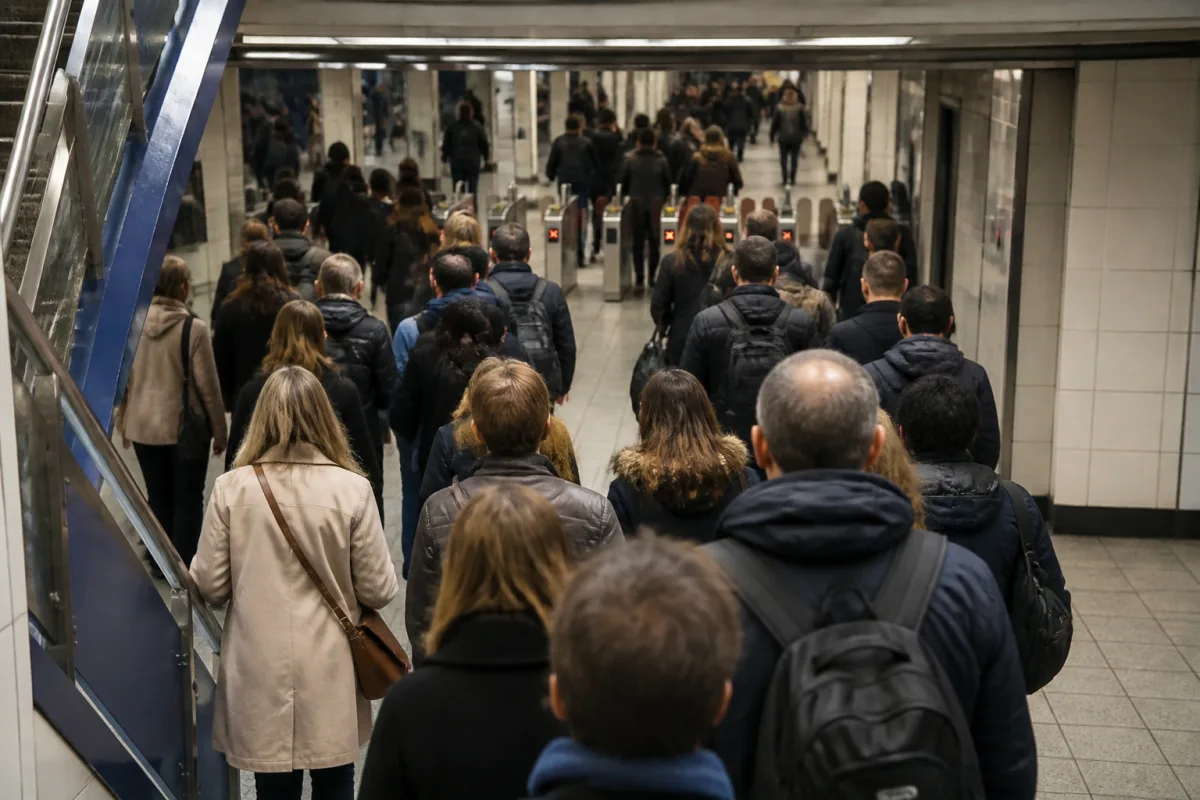
Everyone who does not fall under the new exceptions will wait 10 years for ILR. This includes those earning less than £50,000, including Skilled Worker visa holders with an income threshold of £41,700 and others earning below £50,000.
Partially excluded from the five-year path are those with a criminal record or who do not have a high level of English, as well as those who have breached immigration rules. For them, the period will be 20 years.
A separate group consists of those who arrived on small boats. Those who entered this way and are working or studying will have to wait 20 years. Those who neither worked nor studied but arrived via an illegal route will face a 30-year wait. Those who first came to study or work and then applied for asylum will also face a 20-year wait.
The speech leaves questions open: the review mentions figures such as 5271 regarding earnings, as well as timelines for different categories, but some details, including applicability to those already living in the country, remain unclear.


Comments
Reader experience is useful, but it is not advice: check the rules on the official site.
No account needed: click Sign in, type any name, and you are done.