
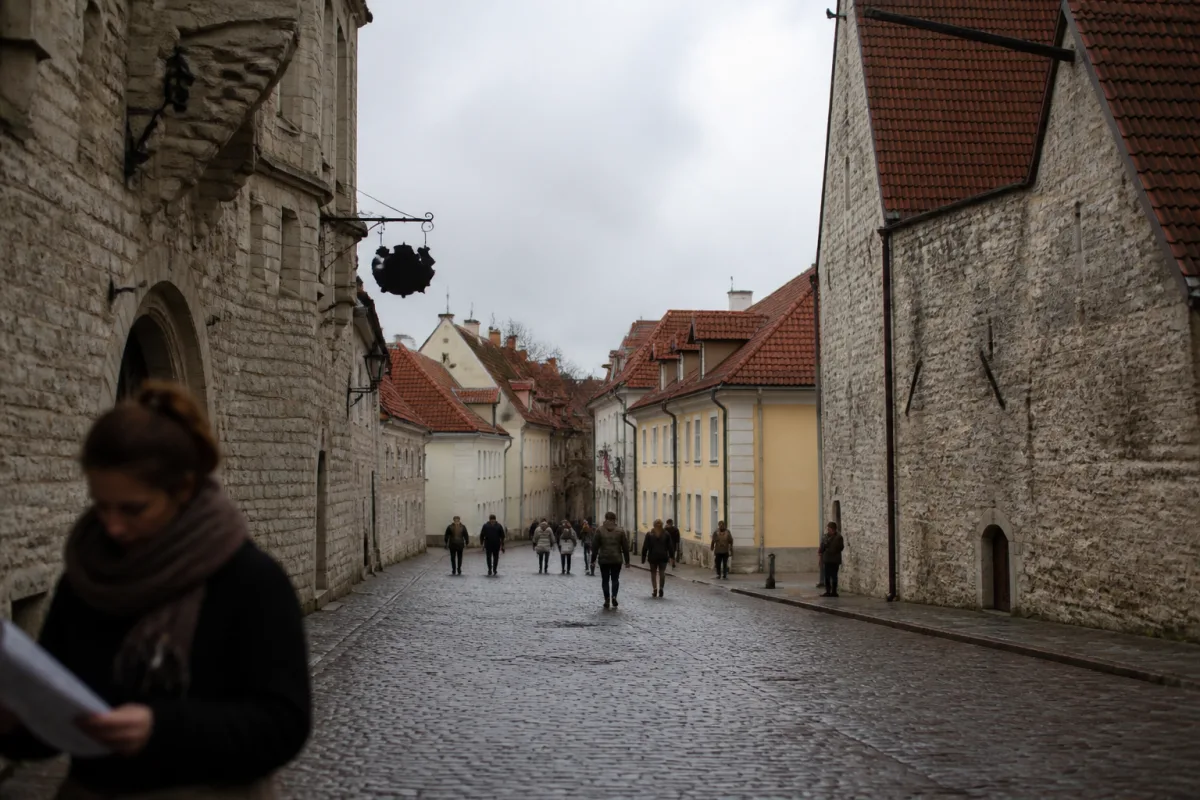

Europe is tightening immigration, and migrants face a difficult choice: where to go? We’ll tell you the opposite — about three countries that are the worst fit for long-term relocation. Georgia lures with easy visa rules, but even marriage to a citizen and three children aren’t enough to get a passport. Serbia denies citizenship to Russians, Ukrainians and Belarusians, leaving people without status. Portugal has become an administrative nightmare with a queue for a residence permit of up to 18 months.
Georgia: open for entry, but closed for staying
Georgia attracts with no visa requirement for entry, but in reality it’s not a destination — it’s a trap. Long-term relocation there makes no sense: getting a Georgian passport is virtually impossible, even if you’re married to a citizen of the country and have lived there for more than 15 years. In one documented case, a woman who lived in Tbilisi with her Georgian husband for over 15 years and raised three children with Georgian citizenship never obtained a passport, and there’s no clarity on this issue.
Obtaining an initial residence permit is incredibly difficult. Theoretically, you can start a business and show turnover, but in practice people struggle with this procedure for months and leave with nothing. In EU countries, there’s a clear path: initial residence permit → renewal → permanent residency → citizenship. In Georgia, this process is broken from the start, and it’s impossible to understand the logic of the local system.
The domestic labor market is weak, and finding work or launching a successful business is difficult. Georgia is good for travel — a beautiful and delicious country, but not for immigration. Many digital nomads have already realized this: over the past year or two, most who used the country as a temporary base have left.
Serbia: arrive visa-free, but forget about citizenship
Serbia remains visa-free for Russian citizens, which seems like a major advantage. A flight from Moscow to Belgrade, and you’re already in Europe, where you can stay and live. But this advantage loses all meaning under one condition: Serbian citizens, Russians, Ukrainians and Belarusians cannot obtain a Serbian passport.
In fact, passport reviews for citizens from Russian-speaking countries have been frozen for a year and a half since mass protests following the collapse of a canopy at the railway station in Novi Sad. There is no legal basis for this ban, but that’s exactly what happened. People find themselves in an absurd situation: they renounced their Russian passport, submitted documents for a Serbian one, and now they are stateless. The Serbian passport for Russians is not moving through the review process, they have left Russian citizenship, but have no status.
Beyond political uncertainty, the domestic market here is weak: it’s difficult to find work and develop a business. Russian, Ukrainian and Belarusian diaspora communities remain separate from the local population, rarely learn the language, and rarely truly integrate. Most see Serbia as a temporary hub, but the way out to somewhere else remains unclear.
Portugal: the immigration system has collapsed
Portugal became a fashionable destination for relocation from Russia and Belarus starting in February 2022. Bloggers promised a budget like Spain, just cheaper. But now Portugal is more expensive than Spain while offering a standard of living that is incomparably worse.
The immigration system collapsed after the pandemic: the government cut civil service staff, and the system broke down. If you’re getting a digital nomad residence permit, be prepared to wait up to 18 months. In neighboring Spain, the same residence permit card takes two months, and you get it for yourself and your entire family.
Portugal has now lost both its advantages. Previously, you could arrive on a tourist Schengen visa and apply for a residence permit — the government cancelled this possibility a year and a half ago. Previously, citizenship was granted after five years of residence — now you must wait ten years, like in Spain. Thus, Portugal has no advantages over neighboring Spain, yet people still write asking about moving there. Few, after weighing all the pros and cons, choose Portugal over more convenient Spain.
Europe demands a choice, and there are better options
The pan-European trend toward limiting immigration means that every relocation decision must be carefully weighed. If you’re choosing between countries, Georgia, Serbia and Portugal will offer you the illusion of access, but not a real path to work, citizenship, or a normal life.
Other EU countries offer clear residence permit programs, understandable naturalization requirements, and a real labor market. For example, Spain issues residence permits in two months and citizenship after ten years of permanent residency. France requires five years to a passport. Bulgaria and Romania open access to all EU rights. There are choices — you just need to look beyond the three countries bloggers called trendy a year ago.

Comments
Reader experience is useful, but it is not advice: check the rules on the official site.
No account needed: click Sign in, type any name, and you are done.