
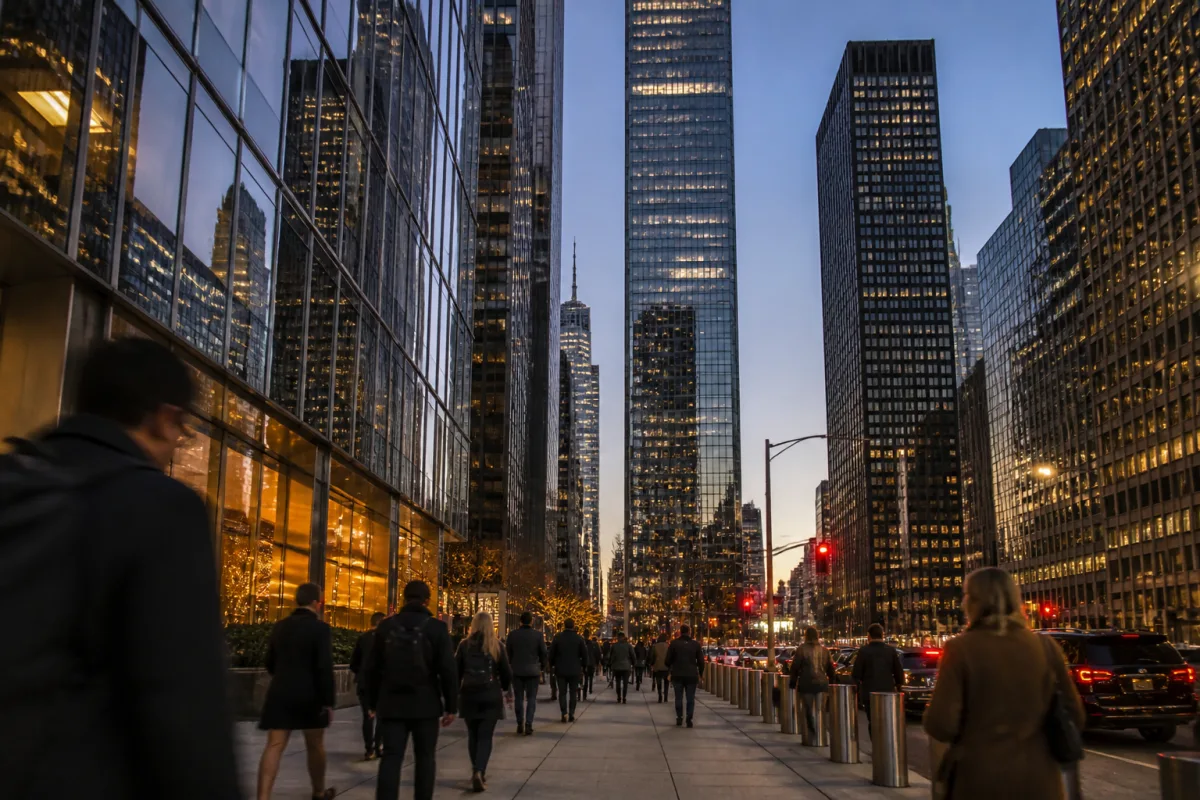

H-1B holders are facing a wave of new restrictions: rising fees for visa renewal, shrinking grace periods, multi-month delays in consular appointment scheduling, and the risk of losing their job due to tightened oversight. Behind this lies a simple reality: if you filed for permanent residency (EB-2 or EB-3) as an Indian citizen, your turn may not come for more than a century, and the stressful life on H-1B status—where you cannot afford even a single day of unemployment—is no longer an immigration tactic but a trap.
A Wave of New Fees and Shrinking Grace Periods
The problem began with a continuous stream of new requirements. Fees of $1,000 and $3,000 appeared for visa renewals. At the same time, the grace period status has been cut down to 60 days. These changes are chaotic in nature: the rules change daily, making it impossible for workers and their families to plan their lives.
Even more problematic is the delay in scheduling consular appointments. People wait four months or longer for visa renewals without knowing the status of their application. Meanwhile, social media is circulating reports of delays—and even cancellations—in issuing work permits for spouses (H-4 EAD).
No Room for a Single Day Without Work
If the new rule on a 60-day grace period is approved, H-1B holders will find themselves in a state of total dependence on continuous employment. Changing jobs, a gap between positions—events that are natural in anyone’s career—will become unacceptable. Even one day of unemployment could force a self-initiated departure from the country.
Losing a job for even four to five months could mean urgently packing up the family, leaving behind a house, a car, and children’s schooling, and returning to India. This creates a condition hard to call a normal life: 40 years of vulnerability to a single wrong step.
An Endless Queue for Permanent Residency
If you file for EB-2 or EB-3 (the standard employment-sponsored routes), the wait exceeds 100 years for Indian citizens. According to visa bulletin data, even those who filed in 2016–2017 may wait another 10 years for their turn. Applicants from 2020 and later face retrogression: their place in line moves backward or doesn’t move at all.
For Indian citizens who haven’t filed yet, the math is unforgiving: starting the EB-2 or EB-3 process now means sacrificing 100+ years of waiting. The point of doing so disappears entirely.
Choosing Between Countries: Are There Alternatives?
Some countries offer more attractive paths for professionals disillusioned with H-1B. However, relocating means leaving behind a life built in the US, and most people aren’t ready for that step, especially those aged 35 and older who are counting on stability.
Another strategy is EB-1A (extraordinary ability) or EB-5 (investor visa). EB-1A can be approved in 3–4 years and doesn’t require an employer. EB-5 requires investing nearly $1 million, and the money has to be at risk: the investment must create 20 new jobs for Americans within two years to qualify for permanent residency, otherwise the temporary status is revoked.
The drawback of EB-5 is obvious: not everyone has $1 million, and those who do are often unwilling to risk that amount.
Building an EB-1A Profile: A Year of Effort, Then Many Options
EB-1A requires building a specific achievement profile. In most cases, someone working in a company or industry doesn’t arrive with a ready-made profile—it has to be built. This takes a year and a half to two years, but if that period is dedicated to focused work on one’s qualifications, there’s a real chance of securing a priority date and a green card within a year under favorable circumstances.
Competition for EB-1A is growing, approval rates are falling, and improper preparation can lead to denial. However, building an EB-1A profile on its own opens unexpected doors: it automatically creates the possibility of applying for the UK Global Talent Visa, where you can work from day one without employer sponsorship and obtain permanent residency (ILR) in 3–5 years.
The same profile also works for Australia’s National Innovation Visa, which grants permanent residency immediately for you and your family. The only additional requirement is an Australian nominator (not an employer, just someone in your field willing to recommend you). This is manageable.
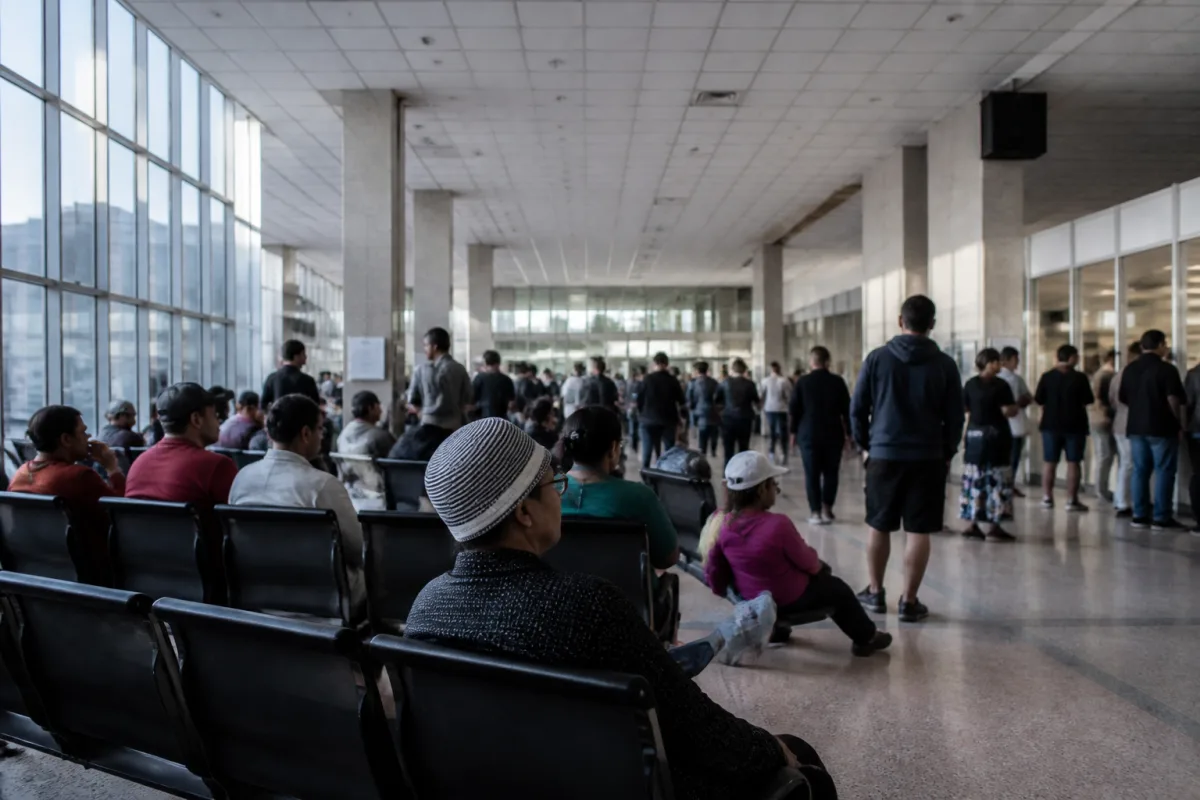
Other Options for Those Who Build an EB-1A Profile
After preparing an EB-1A profile, several other routes open up: Singapore’s One Pass, the UAE Golden Visa, and other options. Canada promised to create a route for H-1B holders but has done nothing—the program was never launched.
The main point: the US is losing its appeal specifically for talented professionals. Other countries are launching talent-attraction programs and are ready to support them. If you’re building an innovative product, you can do it in another country, one where you won’t have to fear losing your status day after day.
Who Should Act Right Now
This applies to people aged 20–40 who still have time to start a new path. If you’re 50+, the risk of changing countries no longer seems reasonable—your life and family are here, and change is perceived differently.
For the younger generation, there is a choice: either take control of the situation and start preparing for EB-1A (possibly securing a green card in 3–4 years), or consider another country in advance. But this requires prioritizing the immigration question.
The reality is this: not everyone will get what they want. Those who don’t achieve stability in the US will eventually break free from this trap. The question that remains is whether it will be a forced, urgent departure or a planned move of your own choosing.

Comments
Reader experience is useful, but it is not advice: check the rules on the official site.
No account needed: click Sign in, type any name, and you are done.