


Over the past few weeks, Australia has tightened several migration rules at once: bridging visa B will now be issued for a shorter period, the 407 visa can no longer be lodged from within the country, and appealing a protection visa refusal now requires payment upfront. According to the host, the overall goal of the changes is to cut the inflow and increase the number of people leaving. In total, the Administrative Appeals Tribunal (AAT) currently has 135,000 appeal cases pending.
Bridging visa B: travel period will depend on purpose
From 30 November, the Department of Home Affairs will more closely scrutinise bridging visa B applications from those who have applied for an employer-sponsored visa and want to travel abroad and return. The rules remain the same, but the period granted may turn out shorter: previously it was issued for five years, but now it will depend on the purpose of the trip. A holiday trip or visiting relatives may receive an insufficient period. The application must state the reason for travel, dates and duration of absence, with supporting evidence attached. A serious illness of a close relative or another important reason will help secure the visa.
The department also warned against buying non-refundable tickets before bridging visa B is approved. A rise in refusals for these applications is also expected.
Visa 407: lodgement only from outside Australia
From 12 November, a training visa 407 application can only be lodged while outside Australia. The minister can make exceptions, but has not done so yet. The government explains the decision as closing off a pathway to sequential temporary visas within the country.
This will also affect applicants over 35 who could not obtain a graduate visa and considered the training visa as an alternative.
Visitor visas and working holiday
Visitor visas are becoming stricter: many of them now come with the no further stay condition (code 8503), which blocks most applications lodged from within the country, except protection visas. There is a standard exception for applicants for skilled visas.
Prime Minister Anthony Albanese has suggested a possible review of the Australia-UK free trade agreement. It is being discussed whether Britons on working holiday visas should be required to work in regional areas, as is already required of citizens of other countries for extensions. Over the past two financial years, almost 80,000 UK citizens received such visas, but most work in major cities, while farmers in the regions need workers. Separately, the government is proposing a lottery, which is being described as a scheme that doesn’t work.
Protection visa appeals: upfront payment and new conditions
Three rules have changed for protection visa applicants and bridging visa E holders. First, the fee for an AAT review of a refusal is now paid at lodgement: $1,863, which is half the standard amount. There are exceptions, for example for those in immigration detention. Second, bridging visa B is now closed to protection visa applicants: they will no longer be issued a visa to leave and return. Third, the minister’s power to impose conditions on bridging visa E has been restored: 8564 (no criminal conduct) and 8566 (code of behaviour). In the host’s view, these conditions mostly duplicate requirements that already apply, so there won’t be a significant difference in practice. For genuine applicants, some of the measures were called harsh, while for non-genuine ones they were called reasonable: there will be fewer applications if the process is more expensive and doesn’t allow lodging an appeal and then leaving the country.
Refusals and appeals: AAT numbers
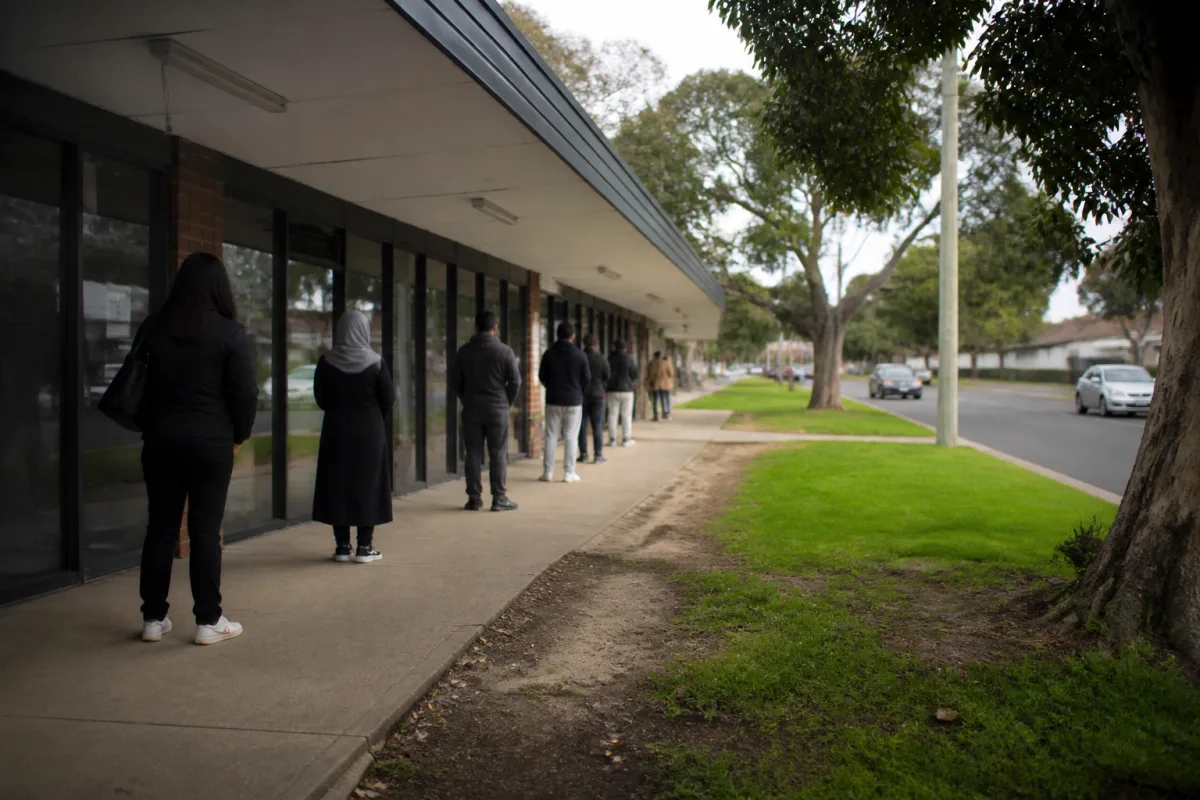
The AAT currently has 135,000 appeal cases pending. The Tribunal hears complaints against visa refusals or cancellations by the Department of Home Affairs. Student visas make up the largest share: 54,000 cases, or 40% of the total. Protection visas follow — 35,000 cases. Together this is about two-thirds of all cases (around 66%), and the figure is growing. From July to the end of August 2026, about 3,000 appeals related to student visas were lodged.

Comments
Reader experience is useful, but it is not advice: check the rules on the official site.
No account needed: click Sign in, type any name, and you are done.