

A family with children obtained residence registration and even a tax identification number in Italy before the court approved their residence permit. This became possible thanks to a special request to the migration office, filed simultaneously with the application of Article 31 of Italian legislation, which allows obtaining a residence permit based on residing in the territory and children’s school attendance.
How Article 31 works in Italy
Article 31 provides an opportunity to obtain a residence permit through court if the applicant is already living in the country. This allows traveling to Italy on a tourist visa and remaining while awaiting court proceedings. In practice, this scheme means that a family can arrive in Italy, enroll their children in school, and file for a residence permit through judicial process without waiting for preliminary visa approval from the consulate.
The type of visa with which the family enters the country does not become an obstacle to filing a claim. A family can stay in the country with tourist status and an expired visa — this period will be counted as time of residence in Italy.
Registration as part of the process
One of the key points is the possibility of obtaining residence registration while awaiting a court decision on the residence permit. To do this, you need to file a special official request to the migration office while waiting for residence permit approval by the court.
After receiving registration, the family can:
- register with the tax authority and obtain a tax identification number (codice fiscale);
- open a bank account at an Italian bank;
- enroll children in school with full status;
- carry out household and administrative activities with the residence registration document.
All family members, including minors, can be registered and obtain a tax identification number.
Expanding the family circle through court
The judicial route under Article 31 allows including not only parents and children in the residence permit, but also other family members under certain conditions. In the described case, the court approved the residence permit even for elderly relatives — grandparents — provided that joint residence and economic dependency could be proven.
Including adult children requires separate court consideration, but in some cases this is also possible.
The importance of professional support
The result depends on the technique of filing documents and the chosen strategy. If you approach the migration office without a special request or turn to a lawyer who does not specialize in migration law, you may receive a rejection or a less favorable decision.
Professionals who work with migration constantly know several ways to file an application and can choose the most effective approach for a specific situation — for example, submit a request in a specific form or at a specific point in the process.
Timelines and relocation planning
Families waiting for approval of a D visa through the consulate may wait from 6 to 8 months. If a family has living space (owned or rented) and children, the route through Article 31 may be faster.
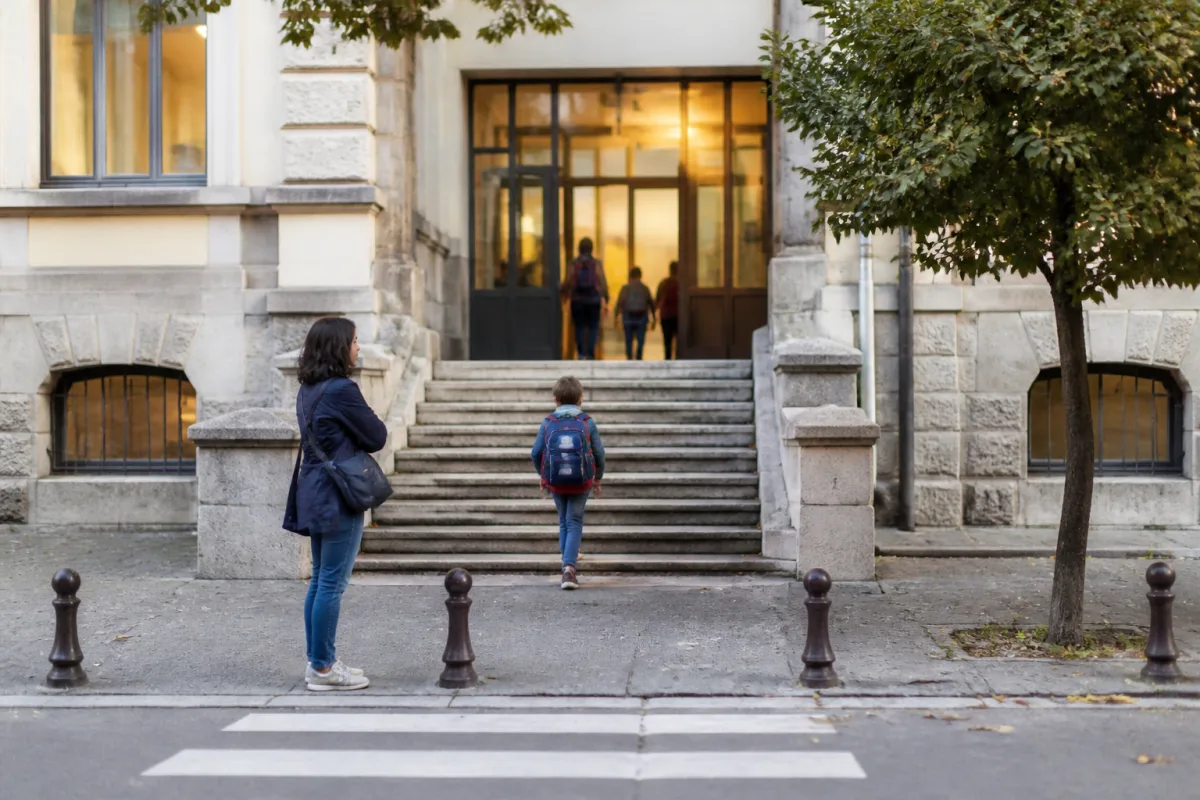
In practice, one scenario looks like this: a family arrives in Italy, enrolls their children in school (this is possible at any time of year depending on the grade), files a claim through court, and during the court proceedings receives residence registration with a tax identification number. After court approval, the family immediately switches to a full residence permit and can begin the process of obtaining an identity document.
Arriving in September will be more favorable for school, as it coincides with the start of the academic year. If arrival is planned later, the school may require accounting for the child’s school year not in full.


Comments
Reader experience is useful, but it is not advice: check the rules on the official site.
No account needed: click Sign in, type any name, and you are done.