
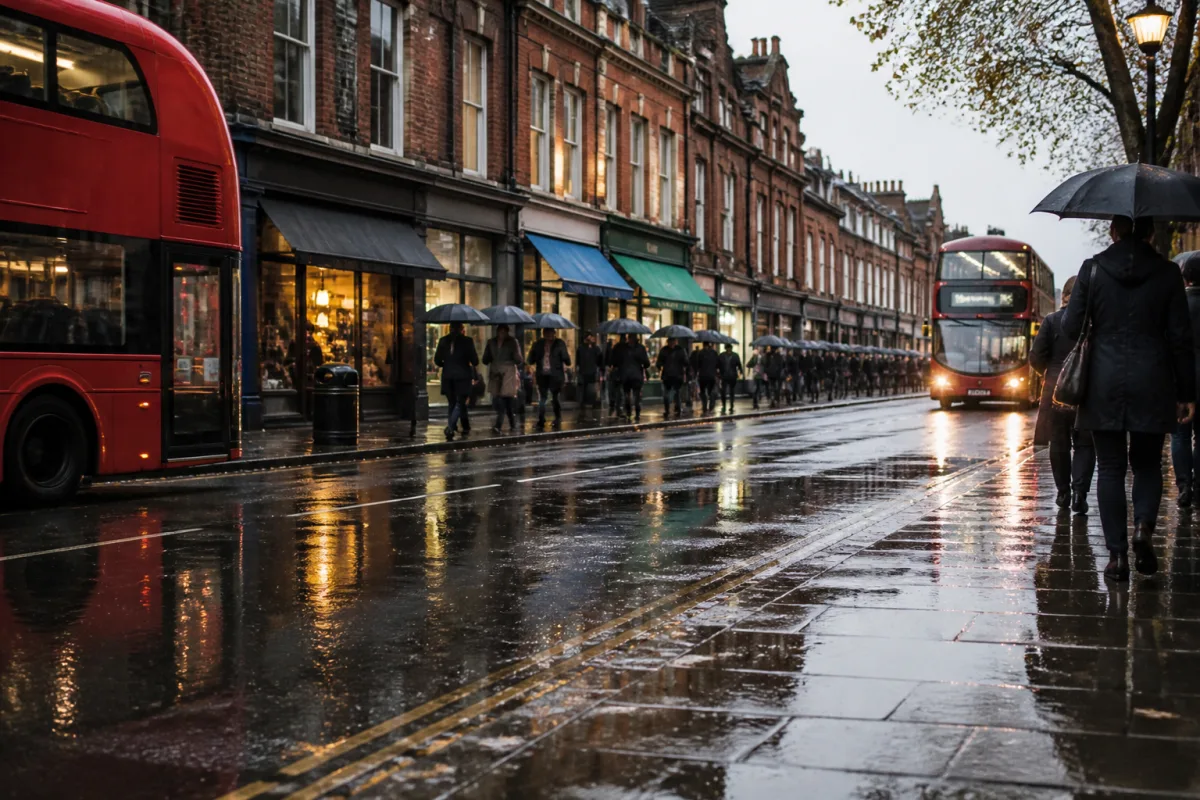

The UK government plans to install AI-powered cameras in high-footfall areas with large numbers of foreigners and students: at bus stops, near event venues, at railway stations. The cameras will identify people who have overstayed, are in the country illegally, or lack documents. This was reported by The Guardian, citing a new Home Office guidance document published on October 8.
Where the cameras will be installed
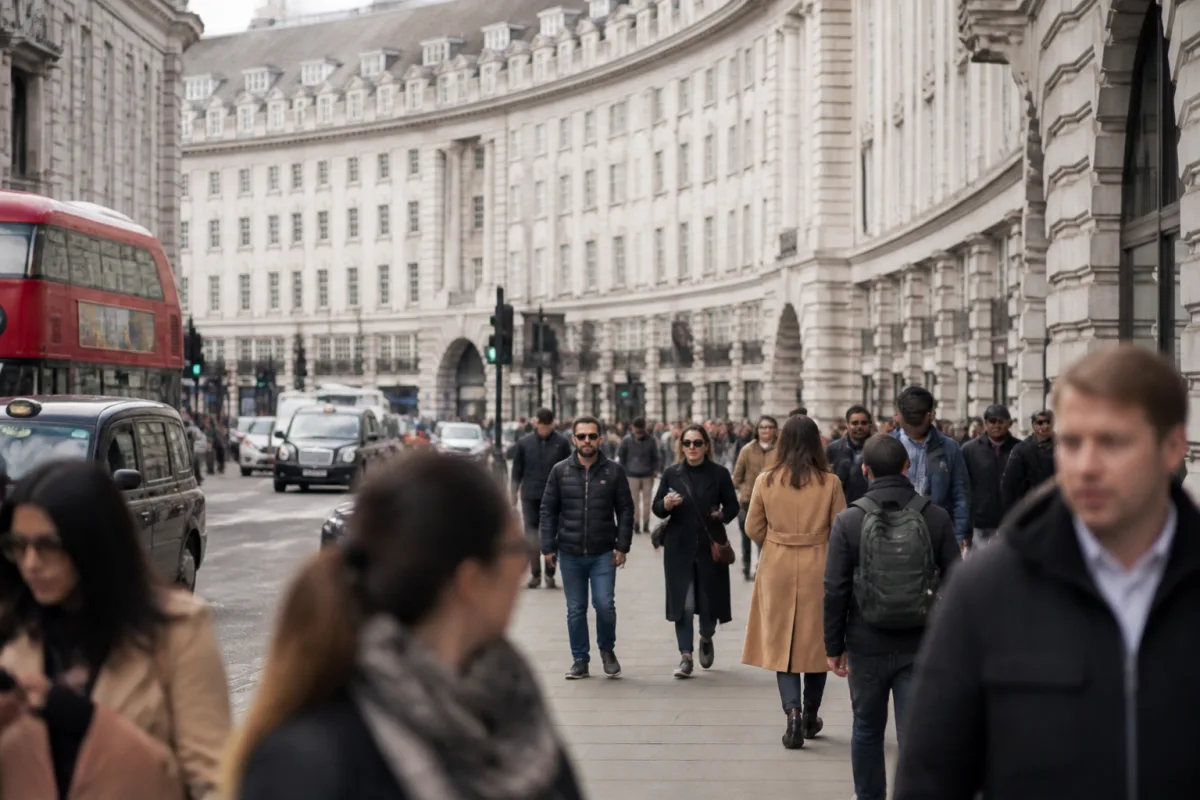
Specific areas have been named. In Birmingham, it’s the Bullring shopping centre; in Manchester, Wilmslow Road and Almond Road. The cameras are planned for streets with heavy foot traffic, where immigrant communities and students live.
According to the description, the cameras will use artificial intelligence technology to identify people who have currently overstayed, are in the country illegally, or lack documents.
Why this matters for those awaiting status
The presenter links the news to the tightening of ILR rules: according to him, the timeline for obtaining permanent status now ranges from 5 to 30 years, depending on the category and route. The ‘seven-year child’ route, used by those awaiting a decision, is also mentioned.
The new cameras may be aimed at identifying people who have been waiting for status for years and remain in the country without current documents. However, no direct link to this has been confirmed in the sources.
What’s reported about replacing old measures
According to the Guardian, the new immigration enforcement guidance document was published on October 8, with a data protection impact assessment due within a month. It is reported that the data protection issues that had hindered the project have already been resolved.
The stated goal is to identify exclusively those who have overstayed and those without legal status. It’s separately mentioned that some people summoned by immigration services for reporting then disappear.
Questions that remain open include exactly how the cameras will work and recognise people without biometric data. For now, it’s only known that this involves indirect detection based on suspicious behaviour and the absence of documents.
What’s advised in this situation
A human rights lawyer quoted by the presenter notes that if other options exist, it’s better to regularise one’s status. If there’s a legal right, it’s worth applying. If there’s no right to status, staying without documents and detention followed by removal could close off future travel to other countries.
Comments
Reader experience is useful, but it is not advice: check the rules on the official site.
No account needed: click Sign in, type any name, and you are done.