
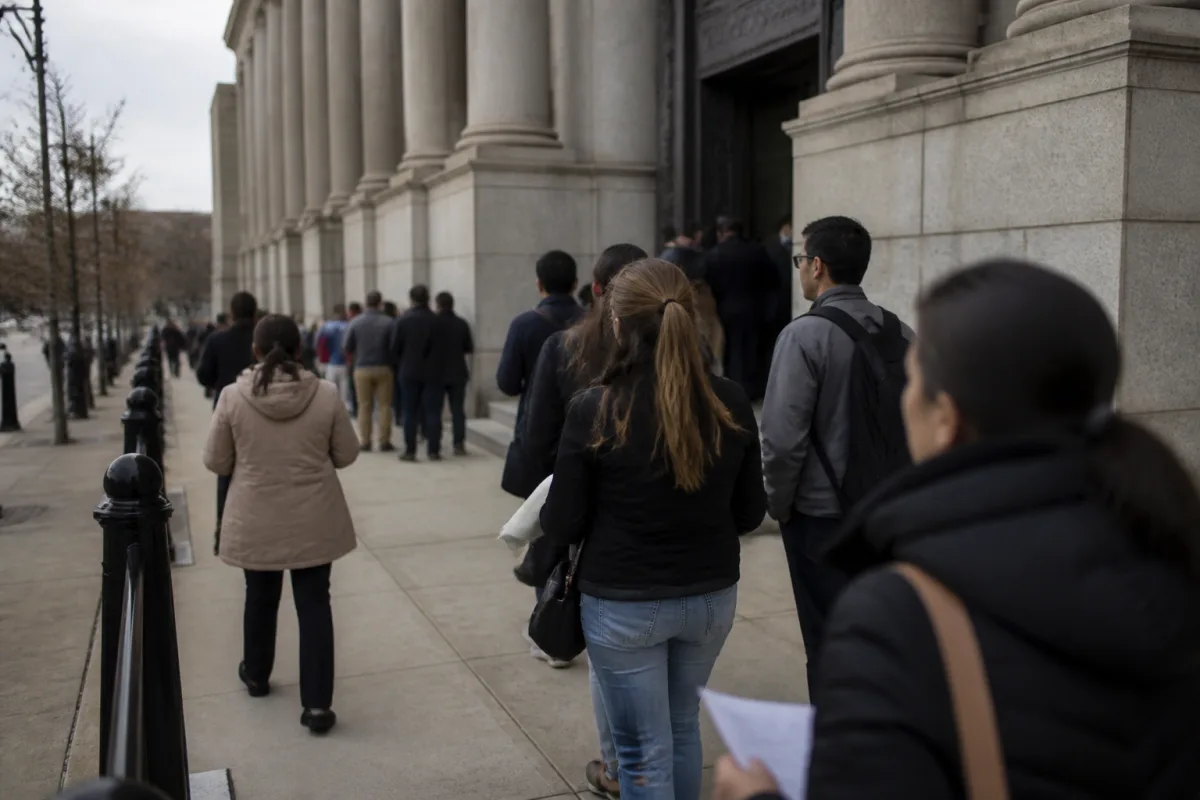

In September 2026, USCIS significantly changed its approach to naturalization cases — refusals are increasing for reasons that previously did not lead to denials, processing times have slowed, and tax questions are now grounds for losing permanent resident status. At the same time, USCIS extended I-130 petition wait times to two years, whereas a year ago it took one year.
Naturalization: Declining Approvals and New Grounds for Denial
The historical approval rate for N-400 applications over the past several years has been around 92%. In the first year of the current administration, this rate held steady, but now it is declining. Exact figures are not yet available, however, attorneys report cases where USCIS officers deny naturalization without objective grounds.
One of the new issues is the applicant’s tax problems. Even if an application for extension of the tax payment deadline has been filed, this does not eliminate the requirement for advance payments. USCIS considers two separate components: timely filing of the tax return and the payment itself. Failure to comply with either condition can create problems with demonstrating good moral character, which becomes grounds for denying naturalization.
Moreover, in some cases naturalization applicants find themselves in removal proceedings if USCIS discovers defects in how they obtained permanent resident status. This risk creates a chilling effect — many refrain from filing applications. Meanwhile, the majority of candidates still have the right to naturalize, but consultation is required before filing, especially regarding tax obligations.
Delayed Processing of Naturalization in Major Cities
Processing times for N-400 applications are growing. In Lawrence, Massachusetts, they reach 13 months; in Boston — 17 months. A similar situation is observed in many other major cities.
This is not the first time a slowdown has occurred. Near the end of the first term of the current administration, cases in Seattle, Washington, were being reviewed for 24 months or longer. Processing times are expected to continue growing. Therefore, an applicant who decides to file now should be prepared for the review to take a significant amount of time — likely two years or more.
Filing Strategy: Risks of Rushing Naturalization
Some permanent residents are hurrying with naturalization out of fear of being affected by the new immigration policy. However, there is a paradox here: if a person fears scrutiny now, filing a naturalization application does not solve that problem. Rather, during the review of the case, the applicant will be under the closest scrutiny — USCIS will thoroughly examine his entire history.
Processing times are so long that even approval may come only after two years, and by then the political situation may have changed. Therefore, the decision to file requires individual analysis: one must weigh current risks to a permanent resident against risks associated with a two-year review during naturalization. Applications are still being filed in large numbers, but each case requires separate consideration.
Adjustment of Status: Approvals Continue, Work Permits Return
Against the backdrop of complications with naturalization, a positive change has appeared. Applicants for adjustment of status continue to receive approvals at high frequency. Moreover, USCIS has resumed issuing work permits (EAD category C9) to people who have filed for adjustment of status, which was impossible from October 2025, when issuance of such permits was completely halted.
Examples of marriages where adjustment of status was approved in less than three months after filing are becoming more frequent. If there are no active issues in the case, one should not delay filing due to the political memorandum from May — the vast majority of cases proceed without complications.
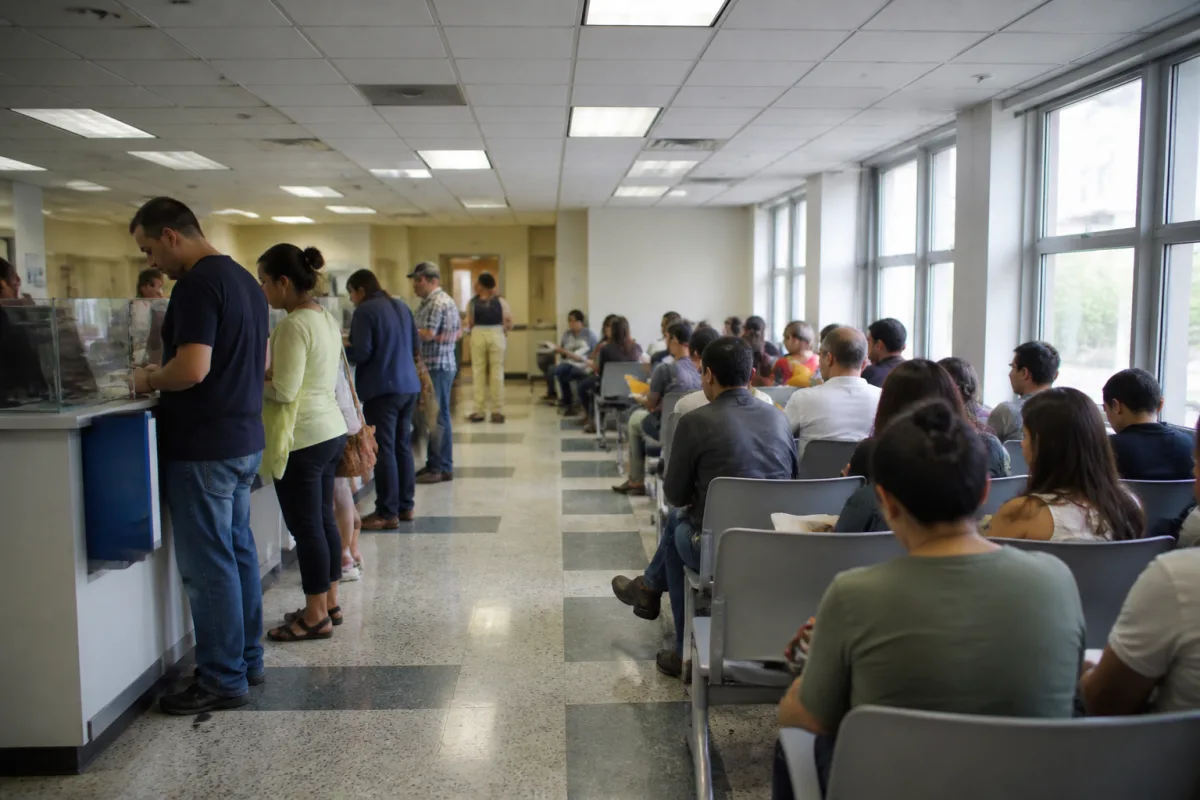
I-130: Family Petitions Delayed to Two Years
Family petitions (I-130) are currently taking much longer to process. A year ago, the average waiting time was about 12 months; now it has grown to 22–23 months. One example: a petition for a spouse, filed at the end of March 2025, was approved in August 2026 — almost 17 months. Those filing now should expect even longer waits.
For spousal petitions with the spouse abroad, simultaneous filing for a K-3 visa is sometimes recommended, which in theory accelerates I-130 processing. However, in practice, this method produces mixed results. While there were cases about a year ago when K-3 actually sped up the process, in more recent examples I-130 cases remain pending despite parallel K-3 filing. The effectiveness of such an approach depends on the timing of the filing and remains unpredictable.
Overall Trend: Slowdown in Immigration Flow
Delays with I-130 fit into the broader picture of immigration processes slowing down. Recently, USCIS reclassified consular officers worldwide, which led to the cancellation of immigration visa interviews even in developed countries. These changes together reduce the flow of people receiving permission to move to the United States. The cumulative effect of all policy decisions from September 2026 will impact immigration processes for months to come.

Comments
Reader experience is useful, but it is not advice: check the rules on the official site.
No account needed: click Sign in, type any name, and you are done.