


The Brazilian spouse of the petitioner has completed every step of the marriage-based family reunification visa process: medical exam, criminal background check, and consular interview in May, with approval granted. But the medical documents expire in mid-October, and consulates are under a pause on visa issuance, putting the couple at risk of being separated.
The situation: approval granted, but no visa issued
The family immigration process under Form I-130 has already lasted three years. The medical exam and criminal background check were completed on April 15, and the consular interview in Rio de Janeiro took place in May. Both passports — the applicant’s and her daughter’s — were stamped with an approval notation. The consulate stated that the only reason the visa cannot be issued is a pause in consular operations tied to administrative decisions. The passports were returned to the applicant in case she needed to travel.
In August the pause was lifted, but the consulate still hasn’t resumed operations, and the medical documents expire on October 15 — less than a month away. After that date, the entire medical exam will have to be redone. For a resident of a remote part of Brazil, this means traveling to three different states of the country just to renew the documents.
Why expired documents create a dangerous delay
US consulates require that the medical exam, police certificate, and other documents be valid at the time the visa is issued. If the documents expire, the applicant must repeat the entire process. In this case, that means not only lost time but also problems for a pregnant woman: by October she will be about 28 weeks along, and such trips become risky, while closer to delivery (around week 30) traveling will become practically impossible.
The only way to avoid redoing the process is to get the visa before October 15. As of now, the consulate is not responding to inquiries submitted through legal representation or through the congressman’s office.
What can be done: contacting a congressman and the mandamus option
The petitioner has already sent a package of documents to his congressman’s office explaining the urgency of the situation. This is a standard route for US citizens when a government agency fails to respond to requests.
Another option is to file a mandamus lawsuit in the federal court where the plaintiff resides, against the consulate. This is a rare and labor-intensive route, but in some cases the court can compel a government agency to make a decision on a case. However, there’s no guarantee of success — the chance of winning is roughly 30–40%, and even winning in court doesn’t guarantee the visa will be issued in time. A mandamus action only makes sense if the plaintiff is prepared for additional costs and a lengthy process.
The bottom line: a visa matters only once it’s in the passport
An approval stamp on a passport, a medical exam, a clean criminal record — all of this is necessary but not sufficient. In practice, nothing matters until the visa is physically in the passport. This situation repeats itself for many applicants: the documents are in order, but the consulate isn’t operating, and the person is left waiting.
According to current information, consulates are not issuing visas to anyone. This is happening both because of the administrative pause and while awaiting court rulings on various immigration matters. The actual timeline for getting a visa under these conditions is unpredictable — it could happen a week before the documents expire, or it could happen after the baby is born.
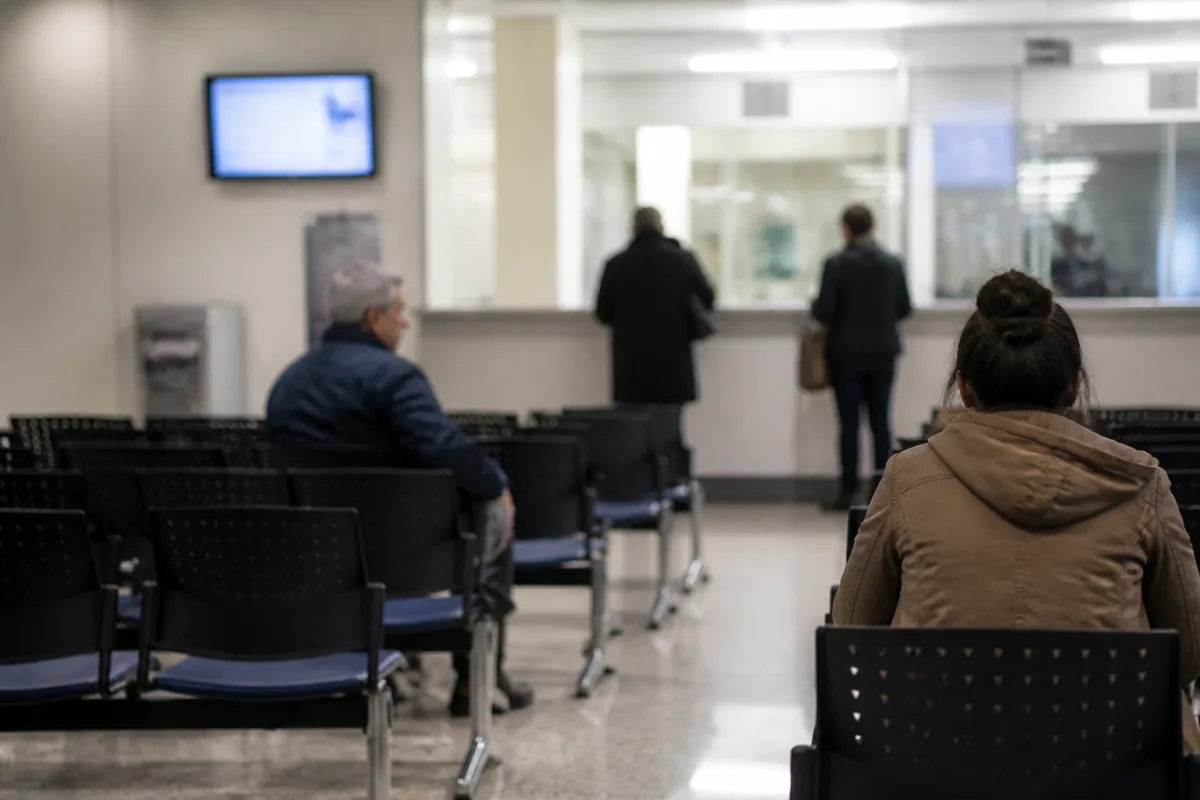
The option of moving to Brazil
In such a situation, some US citizens consider temporarily relocating to their spouse’s country to provide support during the pregnancy and until the visa is finally issued. This keeps the family together but requires coordination with an employer and planning for an indefinite period.


Comments
Reader experience is useful, but it is not advice: check the rules on the official site.
No account needed: click Sign in, type any name, and you are done.