
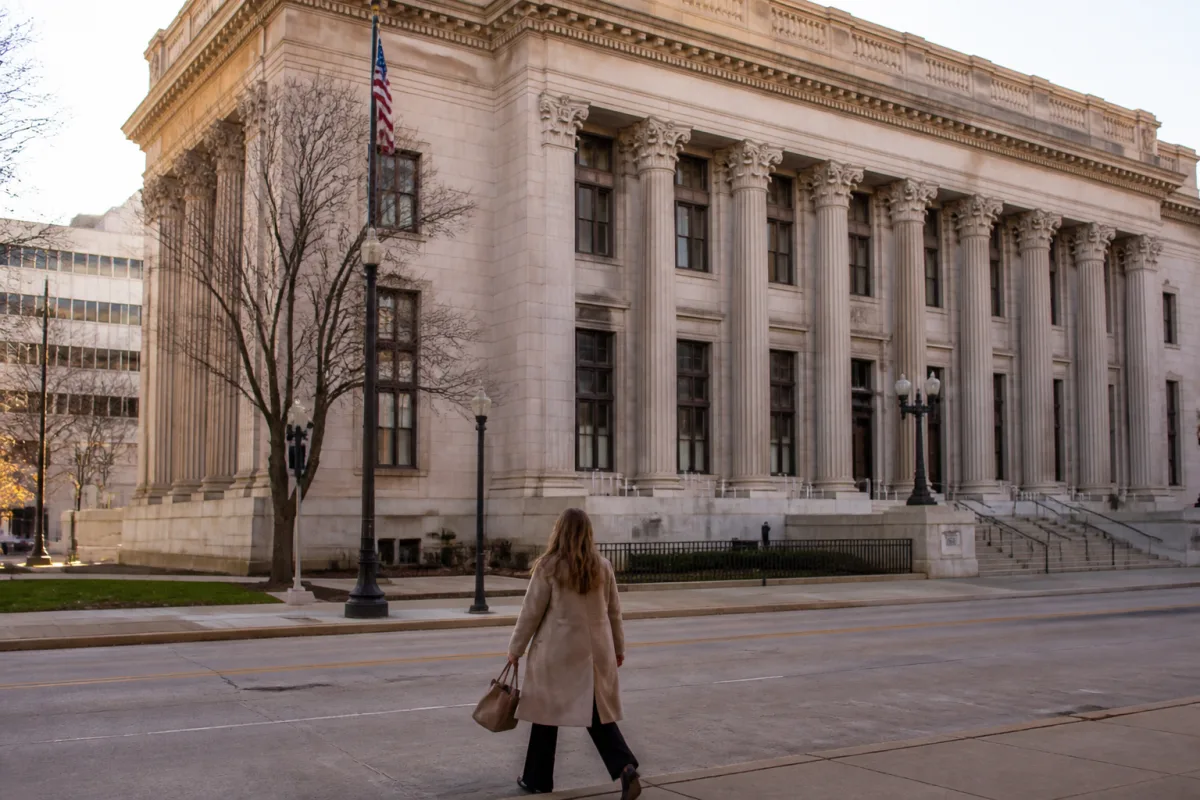

A pilot from Kazakhstan won EB-1A approval in Federal Court in Nebraska after initial USCIS denial. The litigation lasted about a year and succeeded thanks to a new court precedent against subjective case assessment by immigration officers.
Pilot’s Profile and Reasons for Denial
The applicant is a pilot from Kazakhstan residing in the US with seven thousand flight hours and a perfect safety record. In 2025, he received an award as the best pilot instructor of the year. His accomplishments were covered by publications including Forbes, Raters, Fortune, and the professional publication Times Aerospace.
His contributions to the aviation industry included training and evaluating other pilots. He held significant roles at major aviation companies, including JZera Airways. Despite clear achievements and experience, USCIS issued a Notice of Intent to Deny.
After receiving the denial in fall 2025, the plaintiff decided to challenge the decision in court.
Lawsuit and Defense Strategy
In April 2026, a lawsuit was filed in Federal Court of Nebraska. The basis for the lawsuit was a new court decision in the same district that found immigration officers’ subjective case analysis to be unlawful.
After filing the lawsuit, the US government has 60 days to respond. At the end of this period (days 58–59), a USCIS attorney requested an additional 90 days to reconsider the decision. The plaintiff agreed to only 60 days.
Case Reopening and Strategy Change
Midway through the 60-day period (late summer 2026), USCIS issued a second Notice of Intent to Deny, nearly identical to the first. In response, the plaintiff prepared amended complaint documents, incorporating the agency’s new actions.
The US attorney requested another 60 days to reconsider the current decisions. The plaintiff disagreed, offering 30 days on the condition that the government agree to amend the complaint. USCIS accepted this offer.
Approval Two Days After Filing Amended Documents
The amended complaint documents were filed on Friday approximately 2–3 weeks ago. That same evening, the plaintiff received EB-1A approval. USCIS and its attorney realized they had virtually no chance of winning in Federal Court of Nebraska.
Why You Should Litigate After Denial
Federal court is not the final level of appeal. There are appellate levels above federal courts that can be pursued if the initial appellate decision is negative. The fact that USCIS chose not to continue litigation demonstrates the weakness of its position and suggests that the fate of many similar cases could be decided in the applicant’s favor with proper preparation and use of current court precedents.


Comments
Reader experience is useful, but it is not advice: check the rules on the official site.
No account needed: click Sign in, type any name, and you are done.