
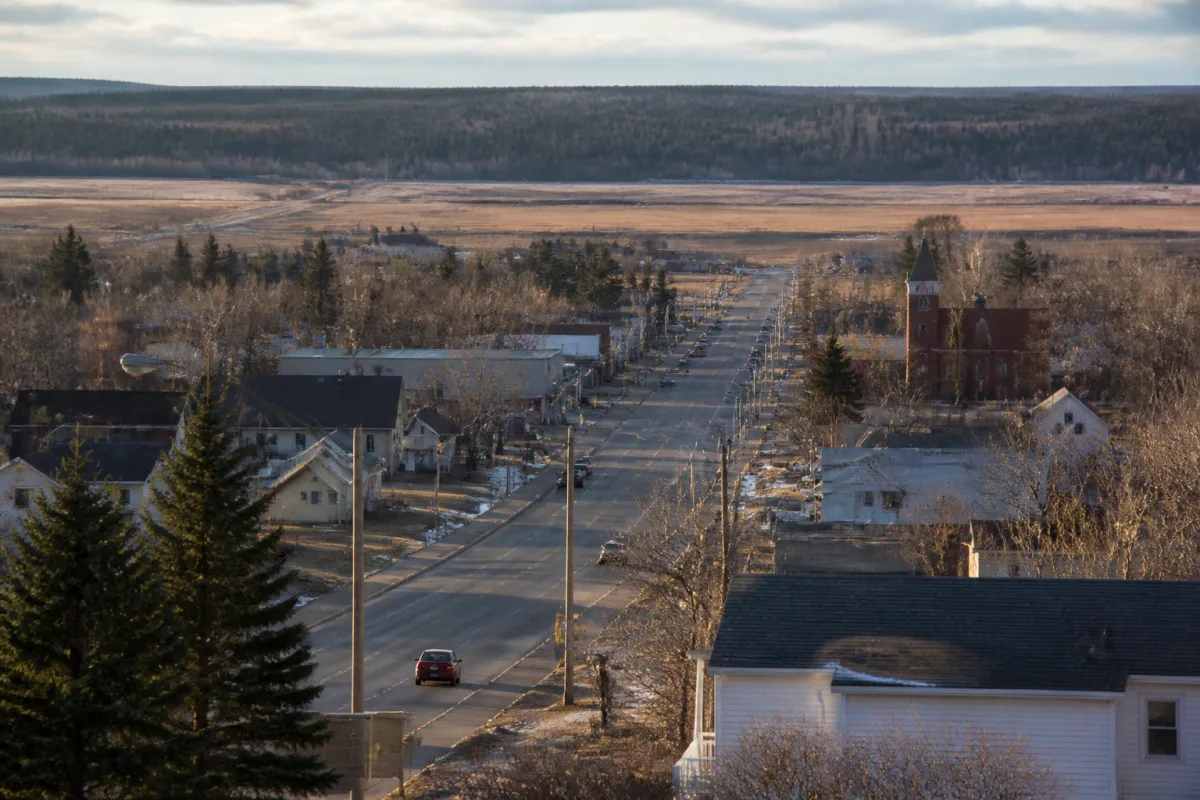

Canada has introduced the Rural Community Immigration Program, which replaces the pilot program. It involves 14 communities in six provinces, expected to be on the list for 2027. Each community has its own list of occupations facing labor shortages, and applying usually requires a qualifying job offer from a designated employer.
Which Communities Are Participating
The program is expected to include 14 communities in six provinces:
- Nova Scotia — Pictou County;
- Ontario — North Bay, Sudbury, Timmins, Sault Ste. Marie and Thunder Bay;
- Manitoba — Steinbach, Altona, Rhineland and Brandon;
- Saskatchewan — Moose Jaw;
- Alberta — Claire’s Home;
- British Columbia — West Kootenay, North Okanagan, Shuswap and Peace Liard.
Occupations Each Community Selects
Each community determines priority occupations based on local labor shortages. Some priority occupations have already been published under the pilot program. These include: healthcare aids, nurses, early childhood educators, cooks, truck drivers, carpenters, mechanics, accountants, and social workers. The list is not exhaustive and changes, so it should be checked regularly against the current version.
Employer and Qualification
Not every occupation fits every community. As a rule, a qualifying job offer from a designated employer is required. Before looking for a job, make sure you meet the occupation’s requirements, check the priority occupations for the community you want, and find designated employers operating there in the list.
Comments
Reader experience is useful, but it is not advice: check the rules on the official site.
No account needed: click Sign in, type any name, and you are done.