
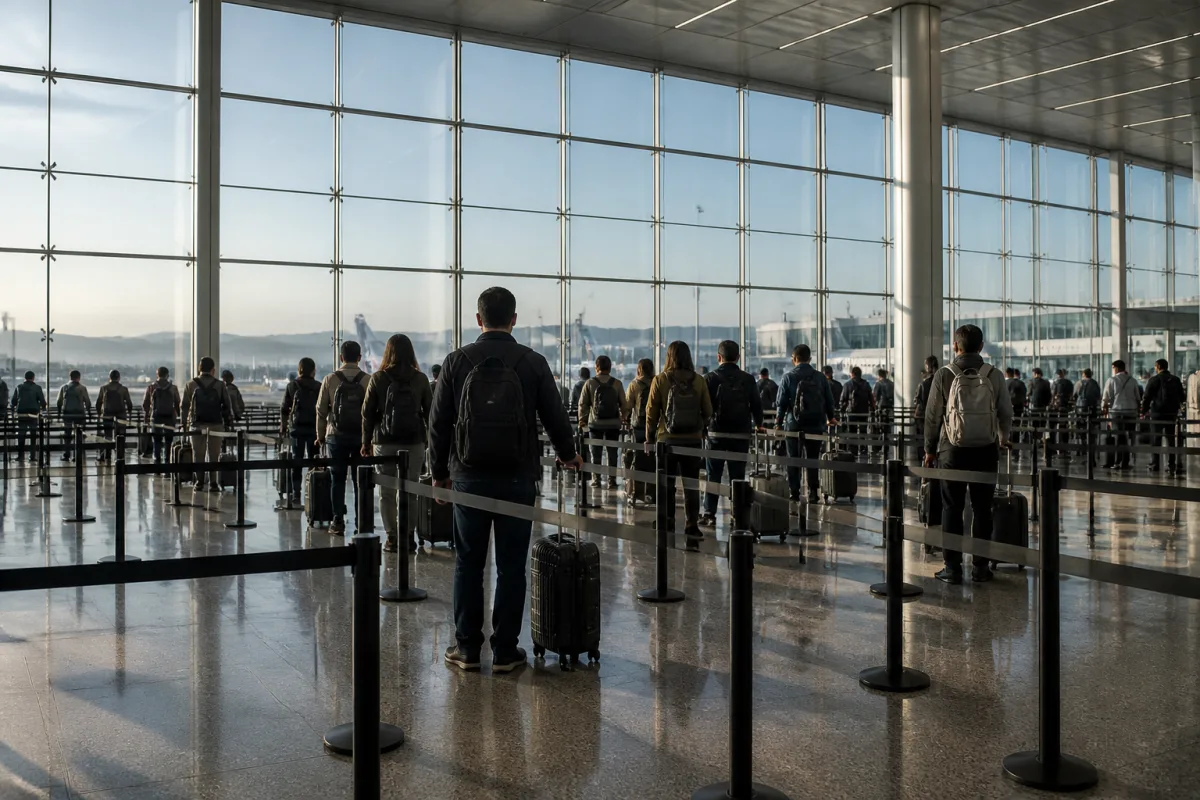

Secondary inspection at the US border is not a coincidence and not necessarily a sign of wrongdoing: CBP officers refer some arriving travelers to it, after which they may check phones and devices and ask about status, social media, and the purpose of the trip. In the case described, the inspection took about three to four hours, and the outcome depended on precise and verifiable answers.
How the entry check works
First, a CBP officer checks the passport and asks basic questions: why you have come, for how long, and what you plan to do. According to the account, in most cases (about 90%) arriving travelers are admitted right away. The rest are sent to secondary inspection, where a phone and other devices may be searched. Photographing or recording what happens inside is not allowed.
According to the person who described the case, CBP specialists are well trained. If a traveler has been sent to secondary inspection, there is a reason for it, and it is usually stated.
What happened in the waiting area
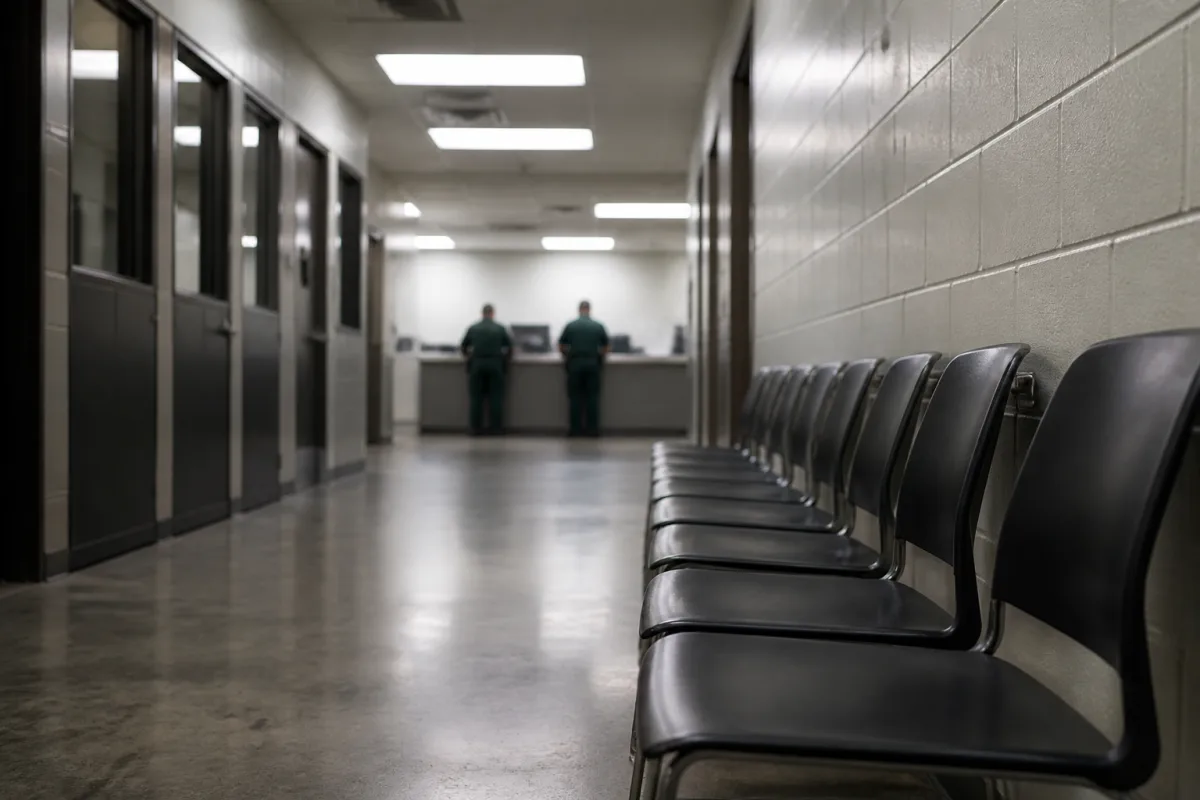
The secondary inspection corridor held CBP officers and several other travelers. The process was strict: using a phone was not allowed, and officers required people to follow the rules. In the case described, the traveler was one of the last, so he saw four or five other procedures.
One case involved a person who entered on ESTA. He had previously had a drunk driving incident and marijuana use, but this was not disclosed in the ESTA application. The officer confirmed the facts and explained that with such a history ESTA is not issued, and that lying on the application is a violation of law. The outcome in this case was denial of entry.
Another case involved an elderly green card holder who had voted in an election although he is not a US citizen. Voting is not permitted for such people. The officer called this a problem, but in the end the man was released.
Another woman was allowed to stay for only three weeks, meaning the officer decides the length of stay. A couple who had come to open a business was also mentioned: their belongings were handled roughly and the tone was harsh.
Questions asked during the interview
In the case described, the interview began with questions about the purpose of the trip and the type of work. Then the officer asked for the phone and passport and, after 30 to 40 minutes, moved on to a more detailed conversation. They asked when he had last accessed YouTube and Facebook, whether he had been to secondary inspection before, where he was going next, as well as about his personal life and plans.
The officer returned to the topic of the business. The applicant worked in helping people with study and immigration visas, and he was asked how many people he had sent to the US. They then clarified which visas those people received: F-1 for students, B1/B2 for parents, and sometimes H-1B and O-1 for work. They also asked how it is verified that students actually study rather than stay illegally, and how they pay for their education. To confirm this, the officer asked to see the graduates’ LinkedIn profiles. The applicant showed records of thousands of cases, and the officer agreed that there were no violations.
How the check ended and what is advised
At the end, the officer spent about 15 minutes recording the explanations in writing. The purpose of such a record is so that the next officer sees that the questions have already been resolved and does not repeat the check. However, there is no guarantee: secondary inspection at the next entry is possible, but the description may help avoid it.
The main advice from the account is not to lie. If there is no criminal history, one should tell the truth and answer precisely. According to the narrator, he has seen cases of visa cancellation, deportation and denial, so such a check is a serious ordeal, even if in the end everything ended well.
Comments
Reader experience is useful, but it is not advice: check the rules on the official site.
No account needed: click Sign in, type any name, and you are done.