
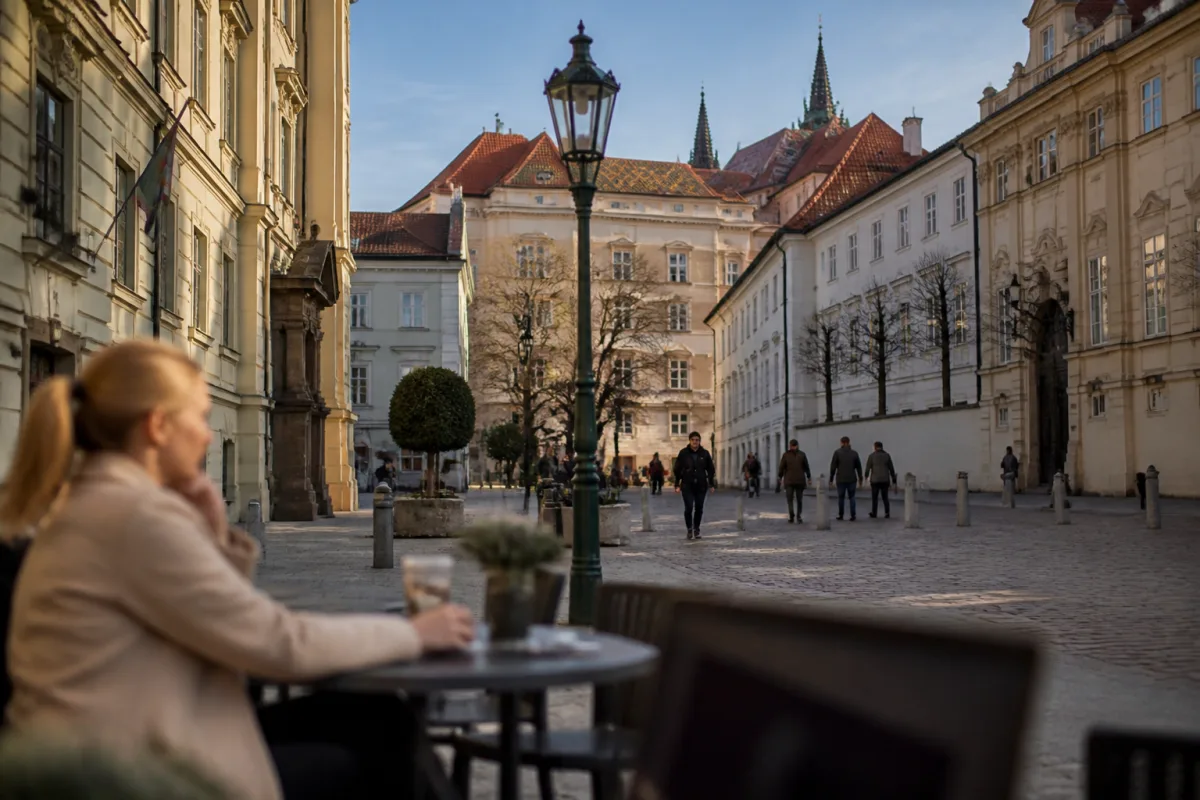
In 2026, Europe tightens migration rules, but not for everyone. If you’re a refugee or migrant without a clear strategy—entry becomes harder. But if you’re a highly qualified specialist, entrepreneur, investor, or remote worker—Europe’s doors remain open, and conditions are even improving.
What changed in the EU’s visa strategy
At the start of 2026, the European Commission introduced a new visa strategy for EU member states. The main idea is to reduce chaotic migration flows and increase the influx of qualified specialists. The document explicitly states that Europe faces a labour shortage due to an aging population. This new system implies strict control over one category of migrants and faster, more accessible entry for professionals. In parallel, EU countries are tightening rules for temporary protection and asylum, cutting related programmes, and especially hardening conditions for those planning to cross borders illegally.
What Europe is looking for: education and science
Europe actively attracts people through education and science programmes. According to 2024 statistics, more than 475,000 permits for studies and research activities were issued in EU countries. The leaders are Germany, France, and Spain. These permits remain one of the most accessible ways to legally enter Europe and later transition to another status.
Programmes for qualified specialists
Conditions for highly educated migrants are becoming easier. The European Blue Card now requires work experience instead of higher education in some fields. For Blue Card holders, changing status within the EU is simplified, and in certain countries, salary requirements have been lowered. The main goal of these changes is to attract specialists who would otherwise choose the USA or Canada.
France is betting on entrepreneurs and investors. The Talent programme grants a residence permit for 4 years—one of France’s fastest programmes, typically taking 4–6 months. The programme allows relocation without a traditional employment contract, for example, through a startup visa or by founding your own company.
Spain actively attracts remote workers through the Digital Nomad Visa. Applications are growing every year. You can apply directly from Spain, and work experience often replaces a higher education diploma. By the end of 2025, Spain ranked first in attractiveness for digital nomads.
New quotas for work visas
Italy has increased work visa quotas for 2026–2028. More than half a million permits will be issued—the largest quota in the country’s history. At the same time, Italy continues to offer a visa for remote workers with confirmed income and a contract.
Who faces the biggest challenges
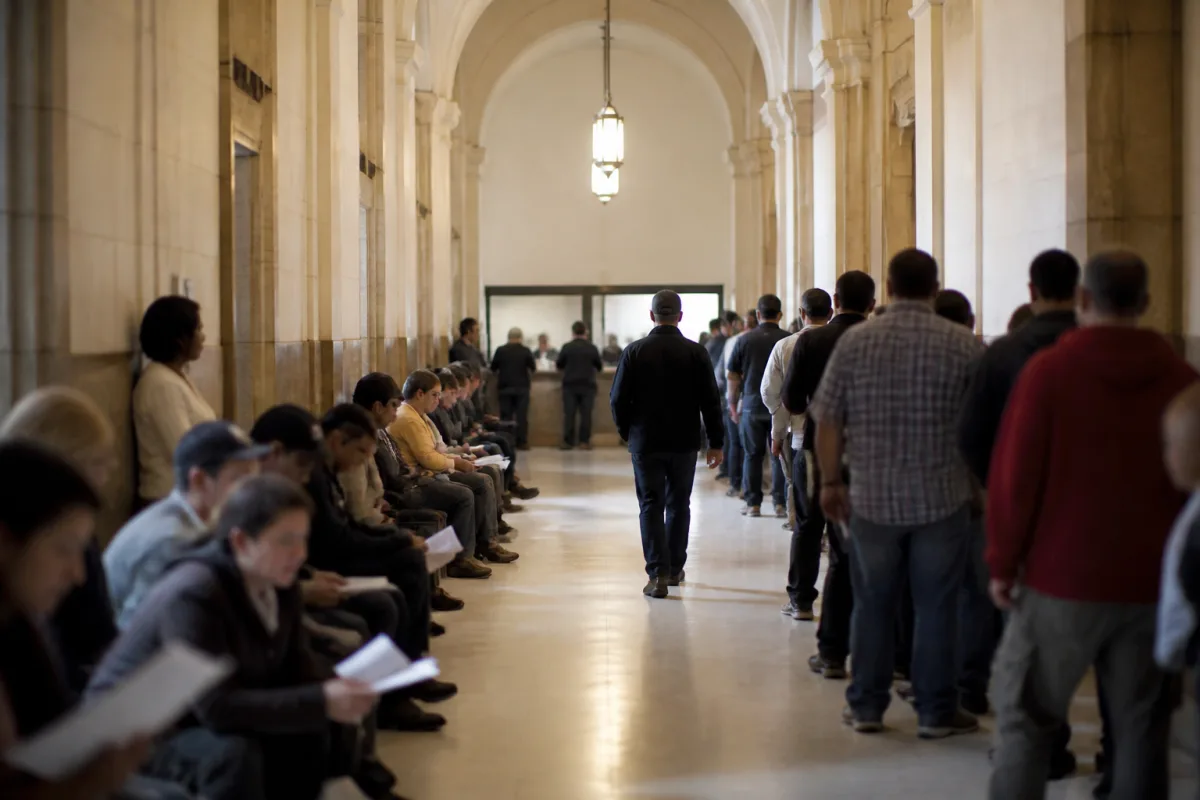
It will be hardest for those who come to Europe without a clear strategy. This applies to people who cannot confirm permanent income and plan to stay with no specific plan. Europe is dividing: doors are closing for such migrants, while new restrictions are being introduced for refugees.
EU countries are tightening rules specifically for illegal migration and asylum applications. For example, France recently introduced a law with stricter requirements in this area. But programmes for entrepreneurs, such as Talent Passport, remained unchanged. The reason is that highly qualified specialists form an economically beneficial part of society: they integrate more easily, pay taxes, and don’t require social support.
Europe’s pragmatic logic
The logic of European countries is simple: restrict those who don’t benefit society, and attract those who provide economic value. Migrants from former Soviet countries often work in the real economy, pay taxes, or work as self-employed entrepreneurs. In contrast, refugees from low-income countries often face integration problems and struggle to find work. Therefore, for citizens of CIS countries and countries with economic activity, entry based on work or business remains relatively open.


Comments
Reader experience is useful, but it is not advice: check the rules on the official site.
No account needed: click Sign in, type any name, and you are done.