
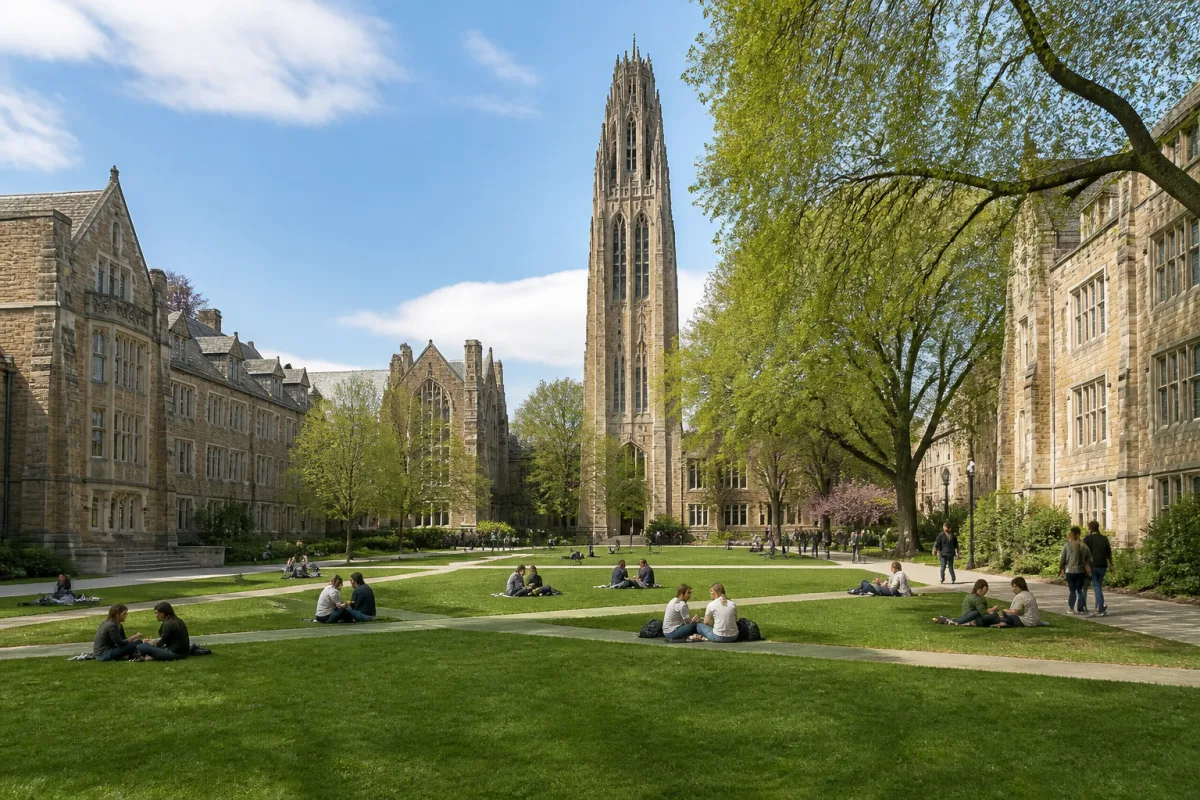

An F-1 student who left the program without notifying the school of marriage to a US citizen and green card application risks having their record simply closed as voluntary withdrawal. The school needs to know the real reason — then it will document it in SEVIS and help show the truth to immigration authorities.
Why silence looks like a problem
A student studied on F-1 for two years, married a US citizen, and filed for a green card through an I-130 petition. When his wife fell ill, he stopped attending classes to care for her, but did not explain the reason to the school. He only said he could no longer study.
The school warned that leaving the program this way would result in loss of status and possible termination of his SEVIS record. The student worried whether closing his status would damage his green card application.
The problem is not the withdrawal itself — it is that the school does not know why it happened. To the school, it looks like irresponsible abandonment of studies. It cannot connect the student’s history to the immigration case, and if SEVIS closes, immigration authorities will not learn the reason.
What you need to do right now
Go to your school and tell the truth: you married a US citizen, filed an I-130 petition with an I-485 application, and have a copy to provide. Explain that the absence is related to your spouse’s serious health condition, not unwillingness to study.
Bring the receipt notice of your filing and medical documents confirming the illness. The school will be able to enter a note in SEVIS that will explain your departure to the authorities.
Timing matters. The student said he has an upcoming meeting with the school, which means there is still time to fix the situation before the record is formally closed.
The risk if you don’t tell
If SEVIS closes without explanation, immigration authorities may start removal proceedings. The law does not know about your I-130 or I-485 petition because the school did not report it — they are separate systems.
Homeland Security may come after you as someone who violated the conditions of a student visa. Even if you have a pending green card, the SEVIS linked to your student status is a separate document, and violating it can lead to a removal order regardless of your marriage case.
A pending I-130 and I-485 protect you partly, but they work better if immigration authorities know you are in the process. If they learn about you as someone who terminated status rather than as a spouse applying for a green card, their reasoning is different.
Why the school needs to know
The school is the link between you and the government in the context of student status. It is the only one who can leave a record of the reason in SEVIS. The school’s silence is silence before the authorities.
Given that you married a US citizen and filed a petition, the school will not solve your immigration case, but it can ensure that your departure is noted not as abandonment of studies but as a justified reason (spouse’s illness, family circumstance, pending immigration matter). This is information in the official language of the system that will protect you more than any explanation later.
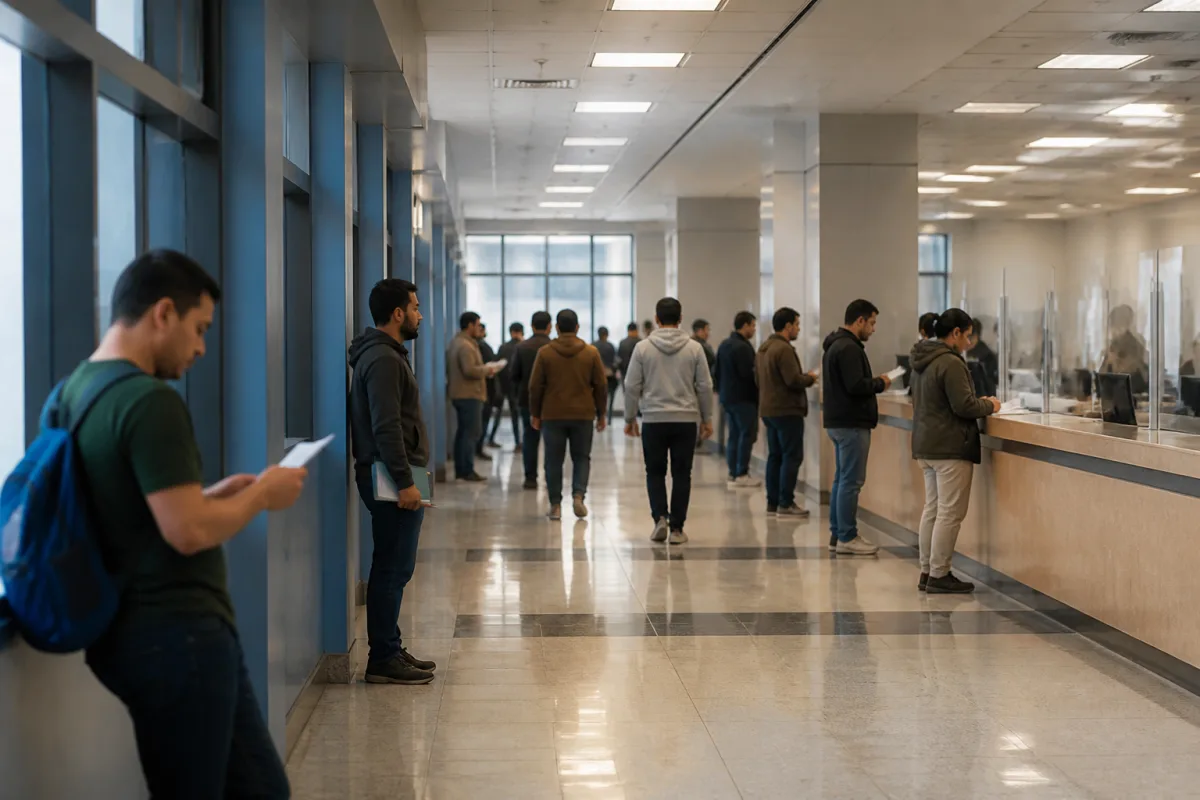
After notifying the school
Once the school enters the note, continue to monitor your I-130 and I-485 petition. The status of your case, including biometrics (the student completed it four days ago), is what affects the outcome.
If you want to return to school in the future when your spouse recovers, closing your current SEVIS record will not prevent you from getting a new F-1 if the school is still willing to take you. The key is that you do not leave a record of simply abandoning your studies.



Comments
Reader experience is useful, but it is not advice: check the rules on the official site.
No account needed: click Sign in, type any name, and you are done.