
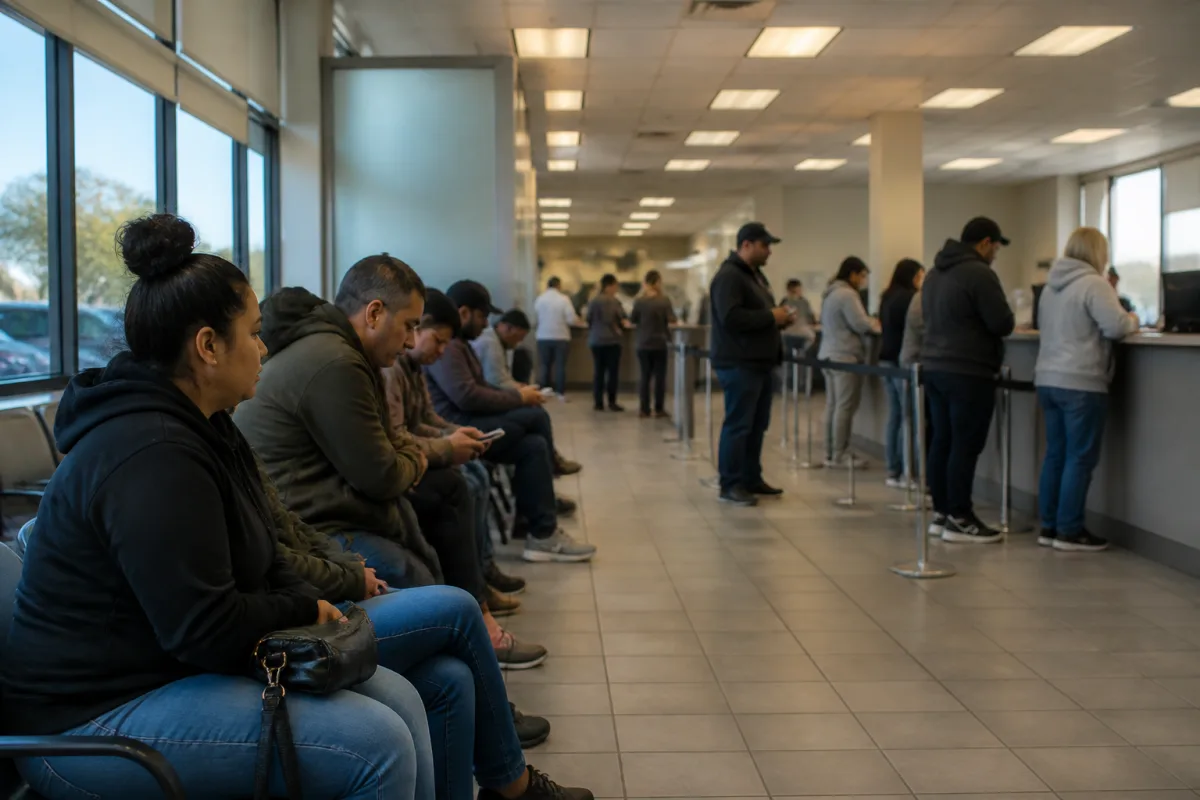

If a noncitizen was automatically registered to vote through a DMV form, this can be treated as a false claim to U.S. citizenship and lead to a permanent bar on a green card, visa, or naturalization — so the registration needs to be removed immediately and a copy of the submitted form obtained.
In short
- A citizenship checkbox on a DMV license or change-of-address form can automatically register a noncitizen as a voter.
- There is no general waiver for a false claim to U.S. citizenship — the exception available for many other violations doesn’t apply here.
- Only a knowing claim counts as a violation — proof that a DMV form field was pre-filled becomes the key defense.
- Actually casting a vote is more serious than registration alone and can make it impossible to obtain citizenship or a green card.
- Upon discovering registration, get removed from the voter rolls immediately and request a copy of the submitted DMV application — it’s the key piece of evidence.
Why DMV Forms Automatically Register Noncitizens to Vote
In nearly every case, the culprit is the DMV form itself: a driver’s license application or a change-of-address form contains wording or a checkbox that effectively means “I confirm I am a U.S. citizen and want to register to vote.” A person checks the box without reading closely — and the system registers them as a voter, even though they are not a citizen.
This happens in most states: submitting applications and other documents through the DMV automatically triggers voter registration in many places. The problem comes up most often for New Jersey residents, though it is not limited to that state.
That’s why, at any DMV visit — regardless of visa status or green card status — it matters to read every part of the application in full, whether it’s an online form or a paper form at the office. Inattention at this stage is the main reason people only discover their “registration” when they apply for naturalization or a green card.
A DMV license or change-of-address form can contain a line that by itself counts as consent to register as a voter. Check it without reading closely, and the system registers you — even though you’re not a citizen.
What a False Claim to U.S. Citizenship Means for a Green Card and Visa
Being registered as a voter can lead to a finding that a person made a false claim to U.S. citizenship. If that finding is made, the person risks becoming permanently inadmissible for immigration purposes — in effect losing the ability to get a green card, another visa, or naturalization, if the false claim to citizenship is confirmed. In addition, if the claim to be a U.S. citizen is found to have been made knowingly, it can also become a ground for deportation.
There is no general waiver — no relief from the consequences — for a false claim to citizenship. For many other immigration violations, the law allows an exception if certain conditions are met, but no such option exists here. At its core, the problem is that appearing on the voter rolls creates a presumption: somewhere, the person claimed to be a U.S. citizen — and now their immigration status is at risk.
There is no general waiver — no relief from the consequences — for a false claim to citizenship.
In practice, this most often surfaces exactly at the moment of applying for naturalization or a green card, when the person discovers they were automatically registered to vote.
Being registered as a voter can be treated as a false claim to U.S. citizenship. The consequence is permanent inadmissibility for a green card, visa, or naturalization, and in some cases a ground for deportation. No waiver exists for this violation.
What to Do If You Find Yourself on the Voter Rolls
-
Contact the voter registration office and get removed from the rolls. This is the first and most urgent step — it shows the person is trying to fix the mistake immediately rather than ignoring it.
-
Request a copy of the submitted application from the DMV — for a driver’s license or a change of address, depending on what was filed. Without this copy, it’s impossible to establish what actually triggered the registration.
-
Check the copy to see whether the box for U.S. citizenship or voter registration was checked. In many cases the box is left blank, and the registration happens automatically because of fine print stating that submitting the application itself counts as consent to register. This becomes the key evidence that the citizenship claim was not made knowingly.
-
Work with an immigration attorney to decide whether to move forward with the current immigration application or withdraw it. In some cases this is the safest strategy given what the DMV record shows; in others, it’s possible to proceed with solid arguments. The decision depends on the specific documents and circumstances of the case, so withdrawing the application is not an automatic step but one option after the situation is reviewed.
Any of these actions should be taken as soon as the person finds themselves on the voter rolls — delay removes the argument of having tried to fix the mistake immediately.
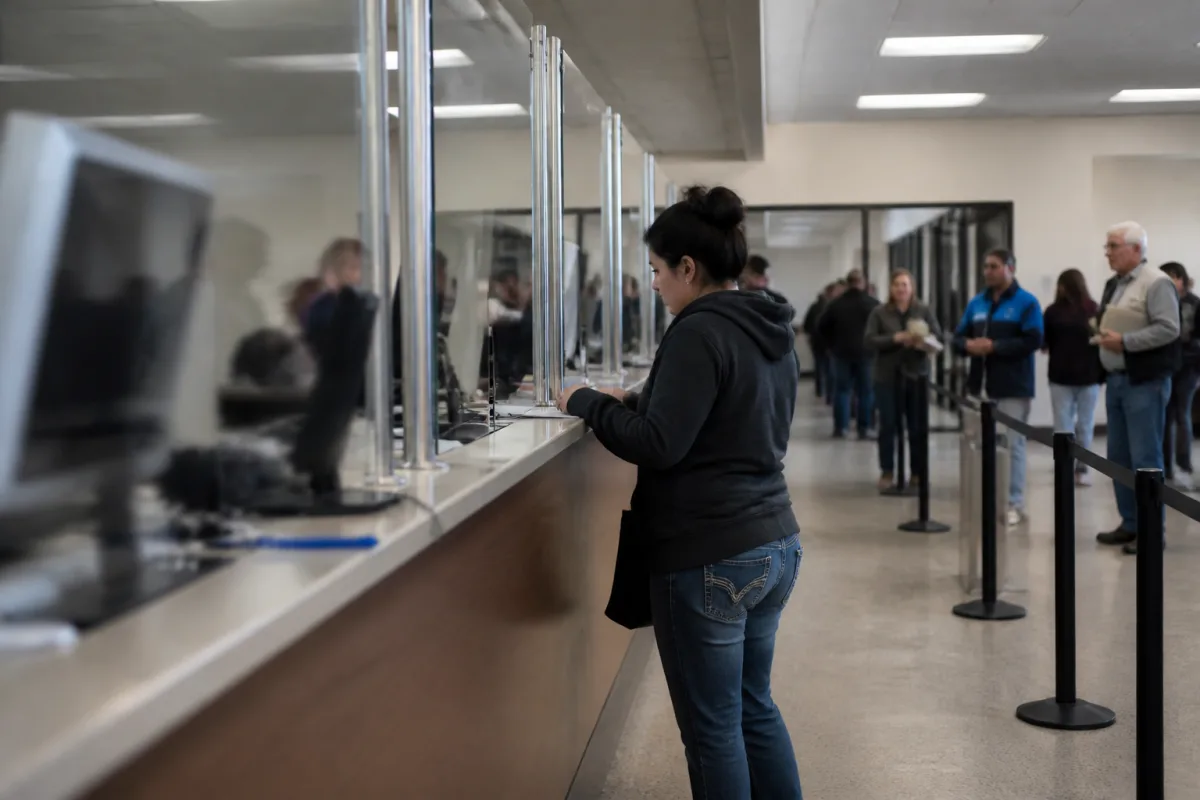
Found yourself on the voter rolls? Contact the registration office right away to get removed, and request a copy of the submitted application from the DMV. Delay removes the argument of an immediate attempt to fix the mistake.
What to Do If You’re on the Voter Rolls
Why It Matters to Prove the Claim Wasn’t Made Knowingly
A false claim to citizenship counts as a violation only when it is made knowingly. If a person can show they did not realize they were confirming U.S. citizenship, this becomes the main line of defense. There is no formal waiver for this violation, so the defense isn’t built on a request for leniency but on evidence: it has to show that the citizenship confirmation was a technical part of the DMV form, not a conscious statement by the applicant.
That’s exactly why a copy of the form submitted to the DMV — the license application or the change-of-address form — becomes the key document: it shows whether the person checked the citizenship box themselves or whether the field was pre-filled by the system.
Even if the form shows a citizenship mark, the case isn’t necessarily lost — arguments about pre-filled fields are still possible. In immigration practice, there are precedents where DMV form issues were treated as a knowing claim of U.S. citizenship — only an immigration attorney can assess how such rulings apply to a specific case. Since then, cases like this have become noticeably harder to defend when the form has checked boxes and direct references to citizenship. Each case is reviewed individually, so in this situation it’s advisable to consult an immigration attorney experienced specifically in these kinds of cases.
Since then, cases like this have become noticeably harder to defend when the form has checked boxes and direct references to citizenship.
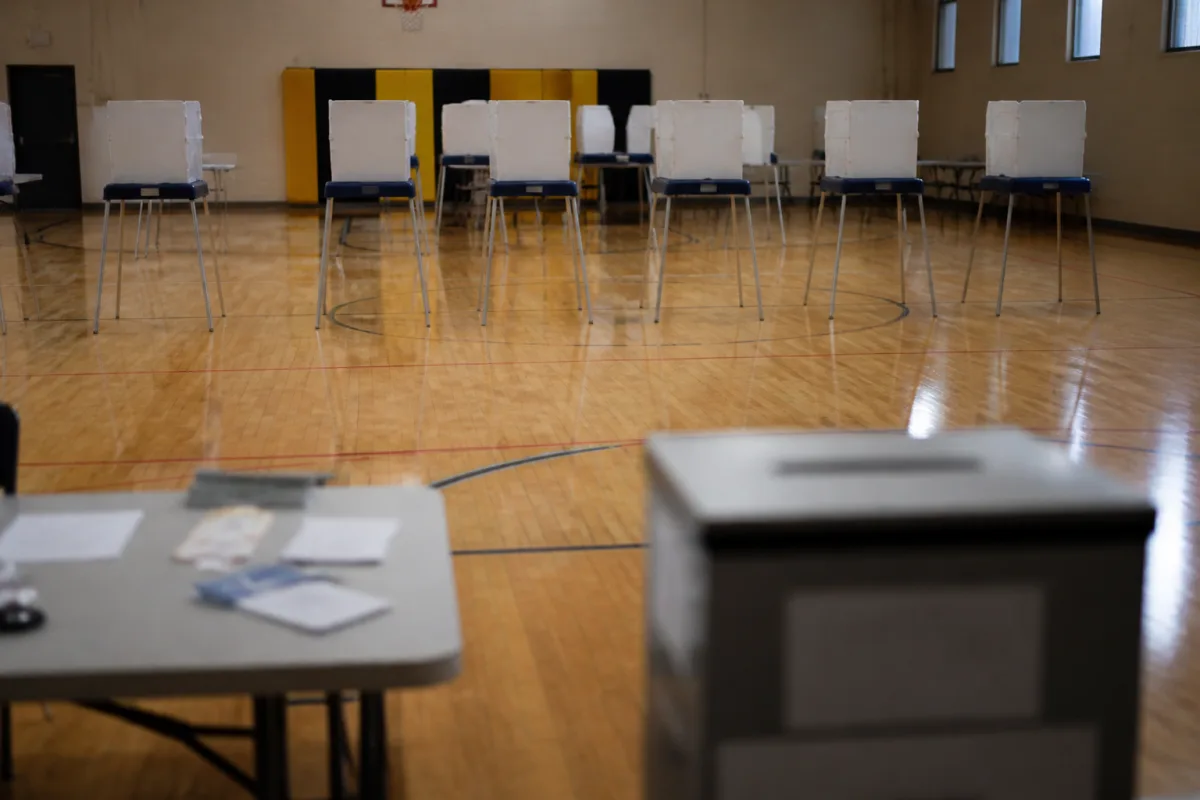
Only a knowing false claim to citizenship counts as a violation. If it can be proven that the citizenship mark was a technical part of the DMV form rather than a conscious statement, that’s the main line of defense.
If You Actually Voted Without Being a U.S. Citizen
Actually voting is a more serious scenario than registration alone: physically casting a ballot is treated as the ultimate expression of U.S. citizenship status, since most elections only allow citizens to vote. This can make it impossible to later obtain citizenship or lawful permanent residence.
Actually voting is a more serious scenario than registration alone
But not every instance of voting automatically counts as a false claim to citizenship. The decisive question is whether the specific election the person took part in required U.S. citizenship. Some local elections are open to noncitizens as well: voting in those specifically is not, by itself, considered a false claim to citizenship. But if the election did require citizenship and the person voted anyway, that is treated as a false claim to citizenship.
In any case involving actual voting, it’s advisable to seek legal counsel right away. In such cases, an immigration attorney will often recommend weighing the risks before filing for naturalization or another immigration benefit: if the fact of having voted comes up during review, it can lead to the loss of eligibility for citizenship or permanent residence. The decision is case-specific and should be made after consultation.
What matters is not the fact of voting itself but whether the specific election required U.S. citizenship. Some local elections are open to noncitizens — voting in those is not treated as a false claim.
Frequently asked questions
Can automatic voter registration at the DMV be avoided altogether?
Yes — this requires reading every part of the application closely, whether it’s an online form or a paper one, and not skipping the fine print about citizenship and registration. A checkbox isn’t always explicit: sometimes submitting the application itself is treated by default as consent unless stated otherwise.
Does the false-claim-to-citizenship problem apply to green card holders too, not just visa applicants?
Yes — the consequences apply to any noncitizen who is registered to vote or has voted, regardless of current status, whether on a visa or a green card. A confirmed false claim risks inadmissible status for future immigration purposes and can affect an existing status as well.
How much time is there to get removed from the voter rolls after discovering the error?
No exact deadline is specified, but action should be taken as soon as the registration is discovered — delay removes the argument of an immediate attempt to fix the mistake, which matters when proving there was no knowing intent.
Can a naturalization application be filed if the voter registration issue hasn’t been resolved yet?
This is decided together with an immigration attorney based on what the DMV form copy shows: in some cases it’s safer to resolve the registration first and file afterward; in others, it’s possible to proceed with solid arguments. There’s no automatic rule here.
What if the citizenship box on the DMV form turns out to be checked and I don’t remember checking it?
A checked box makes the defense harder, but it doesn’t automatically lose the case — it can still be argued that the field was pre-filled by the system rather than checked knowingly by the applicant. Only an immigration attorney can assess the chances of that argument given the specific form.
How can I find out whether the specific election I voted in required U.S. citizenship?
There’s no general rule: most elections only allow citizens to vote, but some local elections are open to noncitizens too. What matters is exactly which election is at issue, so this needs to be determined case by case.



Comments
Reader experience is useful, but it is not advice: check the rules on the official site.
No account needed: click Sign in, type any name, and you are done.