
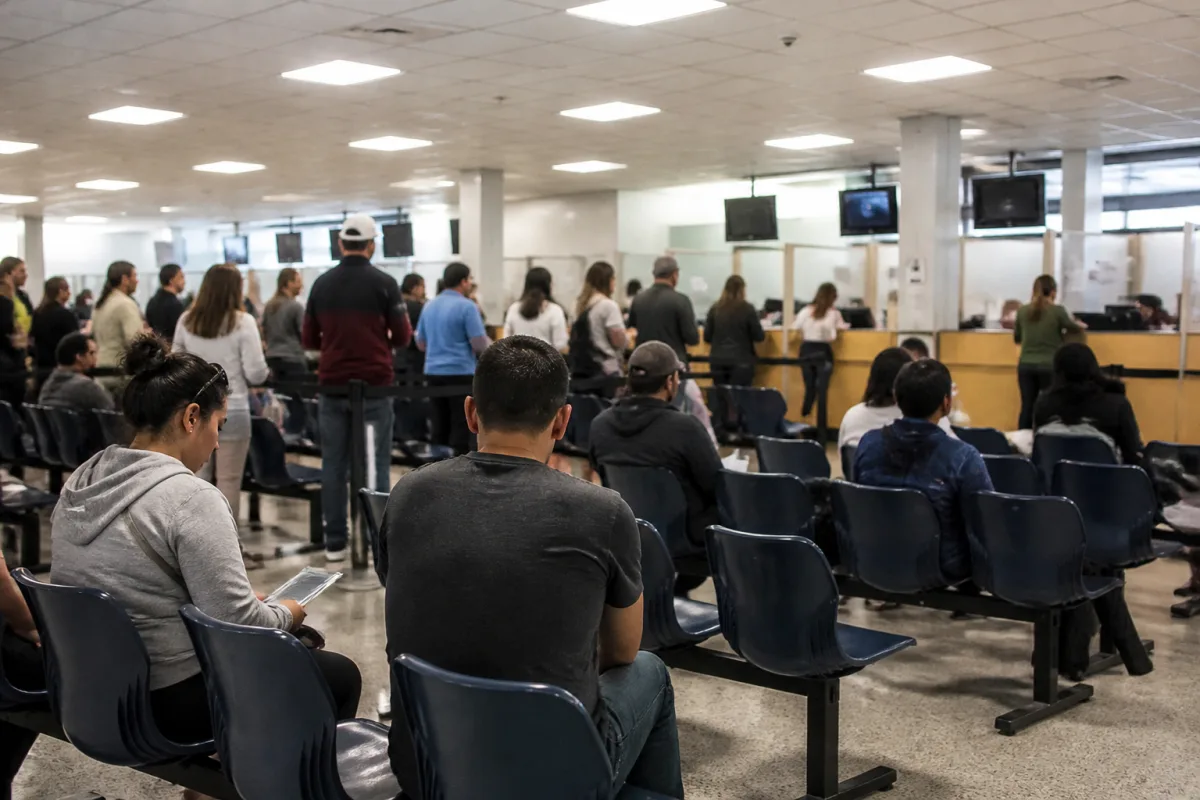

USCIS is rescinding citizenship oaths and denying naturalization when it finds that an applicant was registered to vote in DMV databases. Many are registered by mistake or accident — but ignorance doesn’t protect against denial and the risk of deportation.
How People End Up Registered Without Knowing It
When changing an address on a paper form, there may be a question: “Are you a U.S. citizen?” The person answers “no,” signs the form — and in tiny print above the signature it states that by signing, they consent to citizenship and voter registration. Many don’t notice this.
In some states, registration happens automatically when a document is submitted to the DMV, even if the person answered no. This happened, for example, in New York: an applicant received a voter registration certificate along with proof that he had answered “no” to the citizenship question. At the local level, this problem has existed for decades — in schools, when getting a driver’s license, and at the DMV, people were registered to vote without citizenship checks.
Why This Is Dangerous for Naturalization
There are three levels of risk. The most serious is if a person answered “yes” to the citizenship question during registration. This means they falsely claimed U.S. citizenship. A false claim to citizenship makes a person inadmissible and deportable, and there is almost no defense against it. Even the best lawyer cannot contest this unless exceptional circumstances apply. Ignorance and good-faith mistake are not excuses.
If a person is registered to vote by mistake, without a false claim of citizenship, this still creates problems when applying for naturalization. USCIS will carefully scrutinize the entire history, and voter registration is grounds for an RFE (Request for Evidence) or denial.
Voting Is a Federal Crime, But Rarely Prosecuted
If a person voted without being eligible, this is a federal crime. But in the cases described, where people voted by mistake, there was usually no criminal prosecution. In such a situation, it is recommended to do nothing and not apply for naturalization. It’s better to wait until the statute of limitations for the crime expires. In some cases, lawyers recommend not applying for naturalization at all if this happened.
How USCIS Finds Out About Registration
Not all states voluntarily share voter registration information with the Department of Homeland Security. However, much of this data is openly available online on election commission websites. USCIS likely uses technology to collect this public data from various states.
The system differs by state. For example, in New Jersey, the list of registered voters is available online, and one can find people there who clearly aren’t eligible to vote.
How to Protect Yourself Before Naturalization
If you are a permanent resident and aren’t sure about your voter registration status, check now. Contact your county’s local election board and verify your status. If you are registered by mistake, ask for a letter confirming that you never claimed citizenship and that the registration happened due to the agency’s own error.
One such letter may not be enough at a USCIS interview — more evidence may be required. Before applying for naturalization or Adjustment of Status, be sure to consult a lawyer. Each case requires individual analysis.


Comments
Reader experience is useful, but it is not advice: check the rules on the official site.
No account needed: click Sign in, type any name, and you are done.