
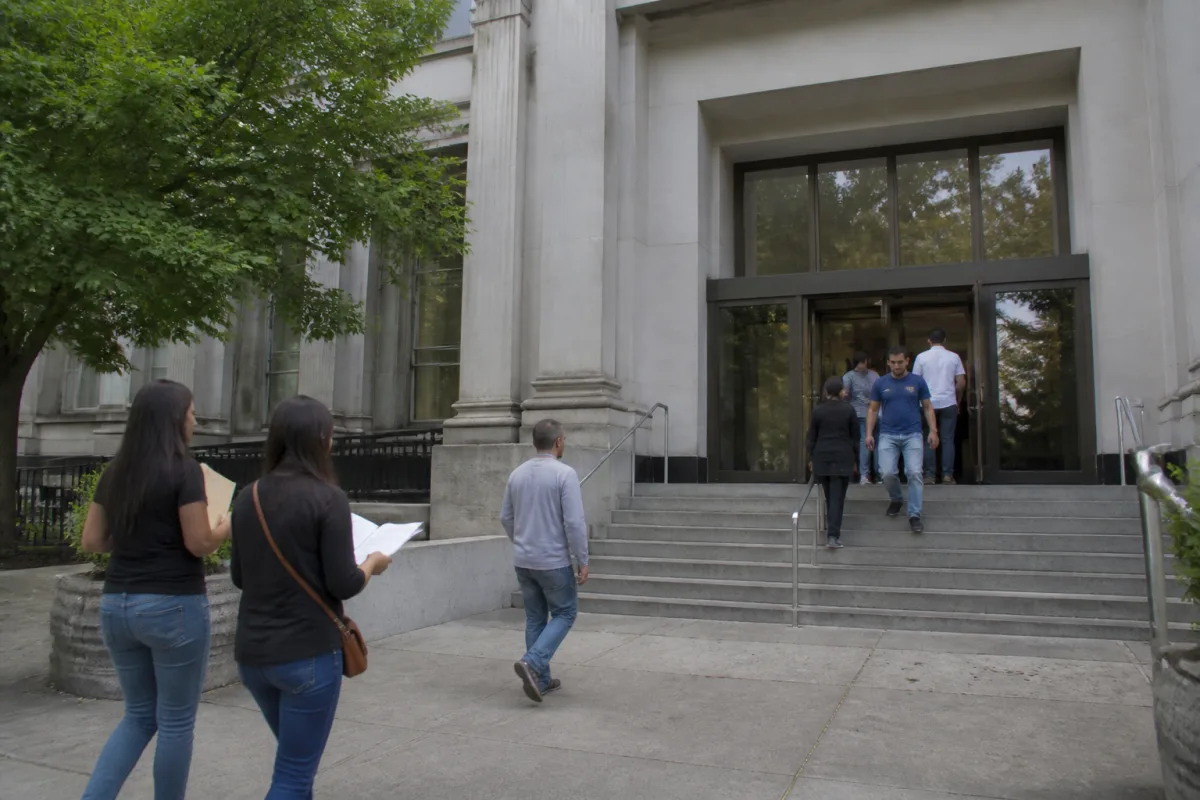

At the end of 2024, USCIS recorded over 2,400 detentions at its offices where people apply for green cards and citizenship. As of October 6, 2025, the agency gained expanded authority, including arrest powers. This does not mean every applicant will be detained, but it has changed the risks you should consider before meeting with an officer.
Why Detentions at USCIS Offices Became Possible
USCIS has always worked with immigration and law enforcement agencies when vetting applicants. However, the sheer number of detentions does not indicate the probability in any specific case. On October 6, 2025, a new rule took effect that gave certain USCIS officers additional powers, including arrest authority. The agency also announced the recruitment of its own special agents.
A routine officer interview does not automatically become a special agents operation. The change is that USCIS can act more independently when information in a case indicates violations. An arrest requires legal grounds, not merely suspicion.
Errors in Forms and Contradictions in Documents
Problems often arise from discrepancies between old and new forms. Imagine: several years ago someone helped you fill out Form I-485, and you did not mention a previous marriage. Now, when reapplying, you list that marriage. The officer sees two different answers under your signature.
By signing the form, you confirm the truthfulness of the information. The statement “someone else filled this out” does not by itself explain the contradiction. The officer first needs to determine which information is correct and whether you are entitled to the requested document. If signs of deliberate fraud appear, the question arises of whether you violated the law.
A typo, a misunderstood question, and deliberate fraud are different circumstances. To establish intentional misrepresentation of a material fact, the officer must determine whether you knew you were providing false information and what significance those details had for obtaining the document. But even an inadvertent error can prevent you from proving your right to a document if you do not explain it with documentation. If an error has already been made, you should discuss how to correct it with an attorney before the interview. You can no longer count on being asked to clarify everything before a denial. The procedure depends on the circumstances of the case.
Violations of Conditions of Stay as Grounds for Deportation
Even if you entered the USA legally, this does not answer the question of the basis on which you are in the country today. A person may enter lawfully on a visa and then remain after their authorized period of stay ends. Violations of conditions of stay create grounds for deportation regardless of the absence of criminal convictions.
This remains grounds for removal even if the family on whose basis you are applying for a green card actually exists and all documents are genuine. Lawful entry does not protect you from the consequences of status violations.
What Filing Form I-485 Provides
Many people assume: I filed an application, the government accepted it, so while it is being reviewed, they should not touch me. In reality, accepting an application for review has limited legal consequences.
Form I-485 is an application for a green card within the USA. Merely waiting for a decision on it does not provide lawful immigration status. When reviewing a properly filed Form I-485, unlawful presence (the accumulation of days spent illegally) typically does not accrue, which is important for certain entry bars after departure. However, the absence of such accrual is not the same as protection from deportation.
Pending consideration of Form I-485 by itself does not create an automatic bar to detention or removal proceedings. Individual applications and statuses have their own rules and protections that need to be discussed with an attorney.
What Can Happen After a Denial
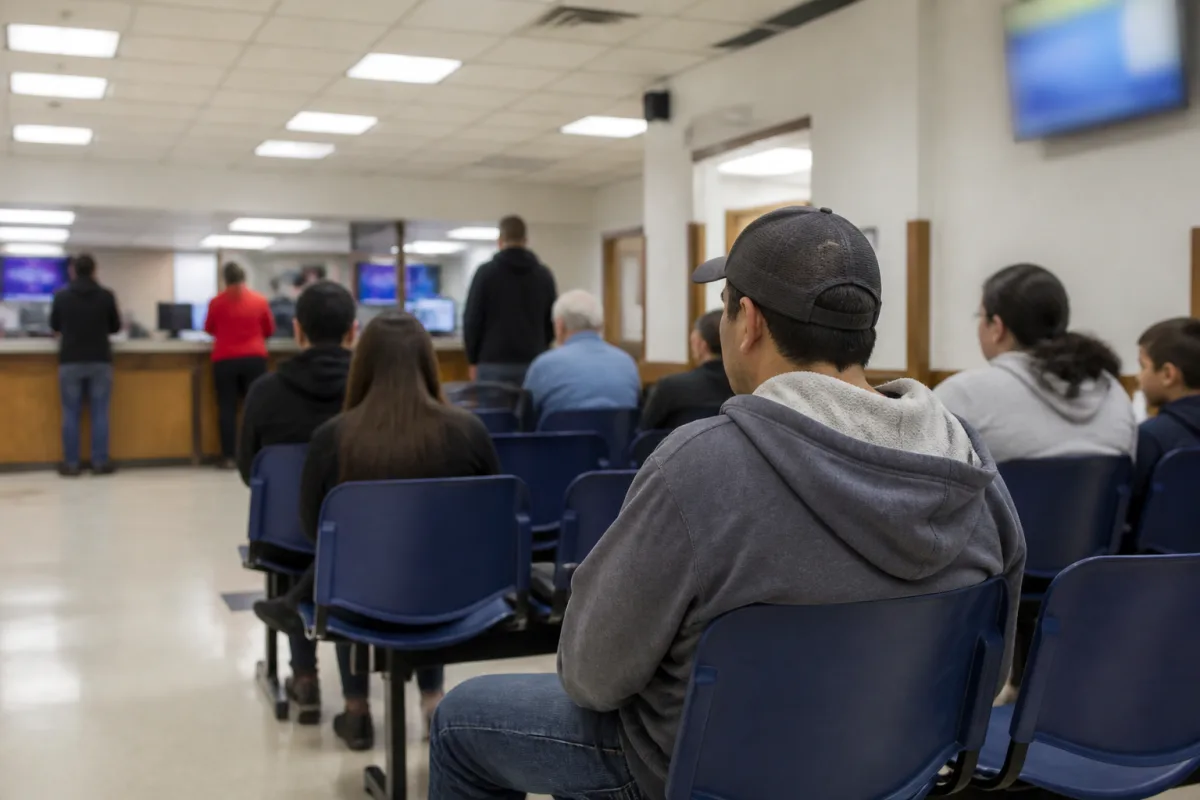
If a green card is denied, USCIS may issue an NTA (Notice to Appear). In this document, the government lists the facts and grounds on which it believes you are subject to removal, with any applicable exceptions. Receiving an NTA is not a judge’s decision or an arrest warrant, but an invitation to immigration court.
An ordinary denial of an application does not by itself prove a crime. But the government’s course of action does not follow a strict sequence: first denial, then court, then possible detention. When there are legal grounds, law enforcement action is possible while the application is still being reviewed. Criminal investigation is a separate process if there are grounds to suspect a crime.
How to Prepare for the Interview
First, break down your history into three parts. First—your current situation. What basis did you use to enter, what status do you have now, what is currently valid, and what document confirms it. Separately note any pending applications.
Second—what you have already told the government: previous forms, attachments, and responses to requests. This is where discrepancies may be found that would otherwise surface for the first time at the interview.
Third—decisions that continue to affect your case: previous denials, immigration court documents, and if there were detentions or criminal cases, documents showing how they concluded. Your attorney needs to see the outcome, not just hear your account.
If you have discovered serious circumstances, discuss the situation with an attorney well before the interview. Discuss all consequences, permissible actions, including the possibility of postponement if there is grounds for it. Without grounds, postponement will not be granted now.
Failure to appear at an interview can result in a denial of your application and its own consequences. You may attend the interview with an attorney within applicable rules. An attorney helps you understand questions and protect your procedural rights, although their presence does not eliminate the legal authority to detain.



Comments
Reader experience is useful, but it is not advice: check the rules on the official site.
No account needed: click Sign in, type any name, and you are done.