

Most detentions at adjustment of status interviews happen because of an old deportation order the applicant never knew existed, or unresolved criminal cases. Contrary to common fears, people who overstayed their visa and have a clean criminal record are rarely detained.
An old deportation order from the past
The most common reason for detention at an interview is a deportation order issued back in childhood or youth that the applicant never knew about. If a person received an order long ago and later legally entered the US under a new name or alien number, the system may end up with two separate files with different alien numbers but linked to the same fingerprints.
The main risk is when the applicant learns about the old order right at the interview, already in the presence of a USCIS officer. In this case, the officer can immediately refer the case to ICE, and the person may be kept at a detention center.
In theory, an old order can be discovered in advance through a FOIA request to OBIM (Office of Biometrics and Identity Management). However, for people without status who have overstayed their visa and are ready to file for adjustment of status through marriage, filing such a request creates a dilemma. The request requires providing fingerprints, a home address, and essentially notifying the government of your whereabouts. There is no consensus among immigration attorneys on whether this is safe to do right now. Lawyers assess this situation differently: some file such requests daily without issues, while others fear that information submitted to the government could be used against the applicant, especially given that ICE already uses tax returns and other documents to initiate deportation proceedings.
Unresolved criminal cases at the time of the interview
The second main detention scenario is related to criminal history. This is either a serious violent crime that was reclassified as a lesser offense, or an unresolved case that remains pending.
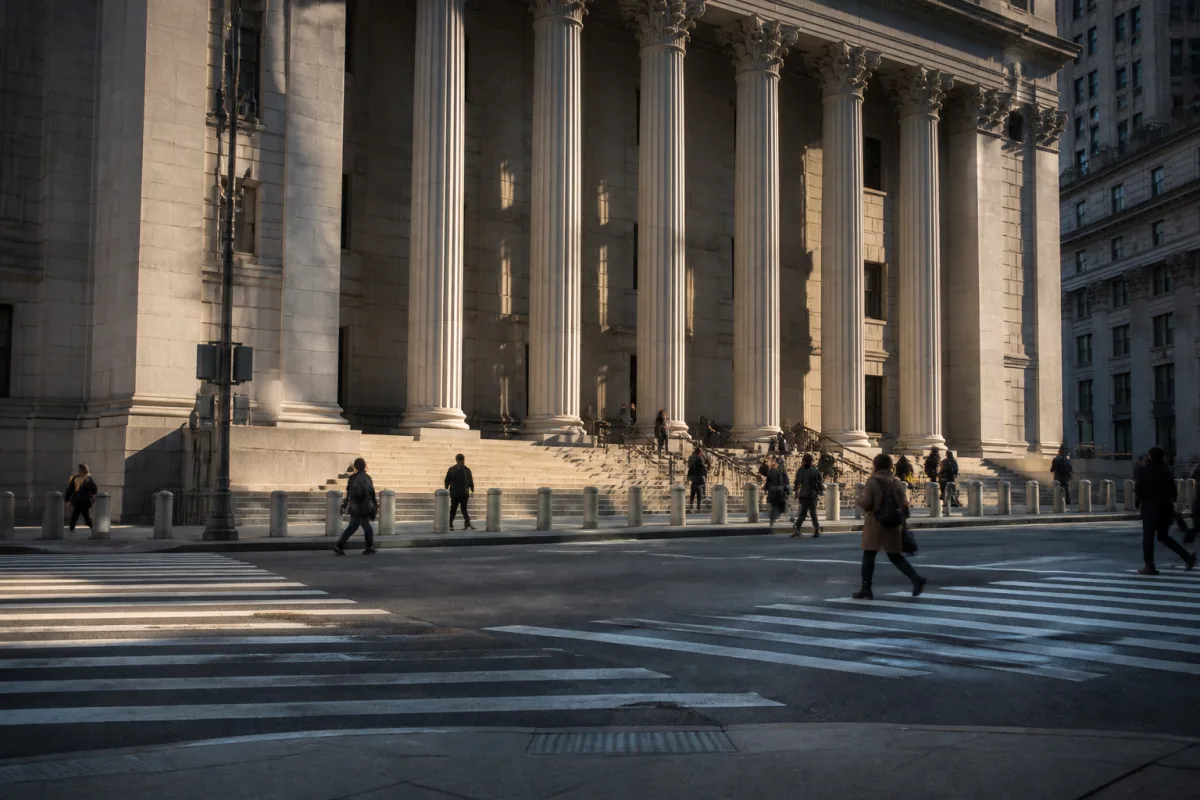
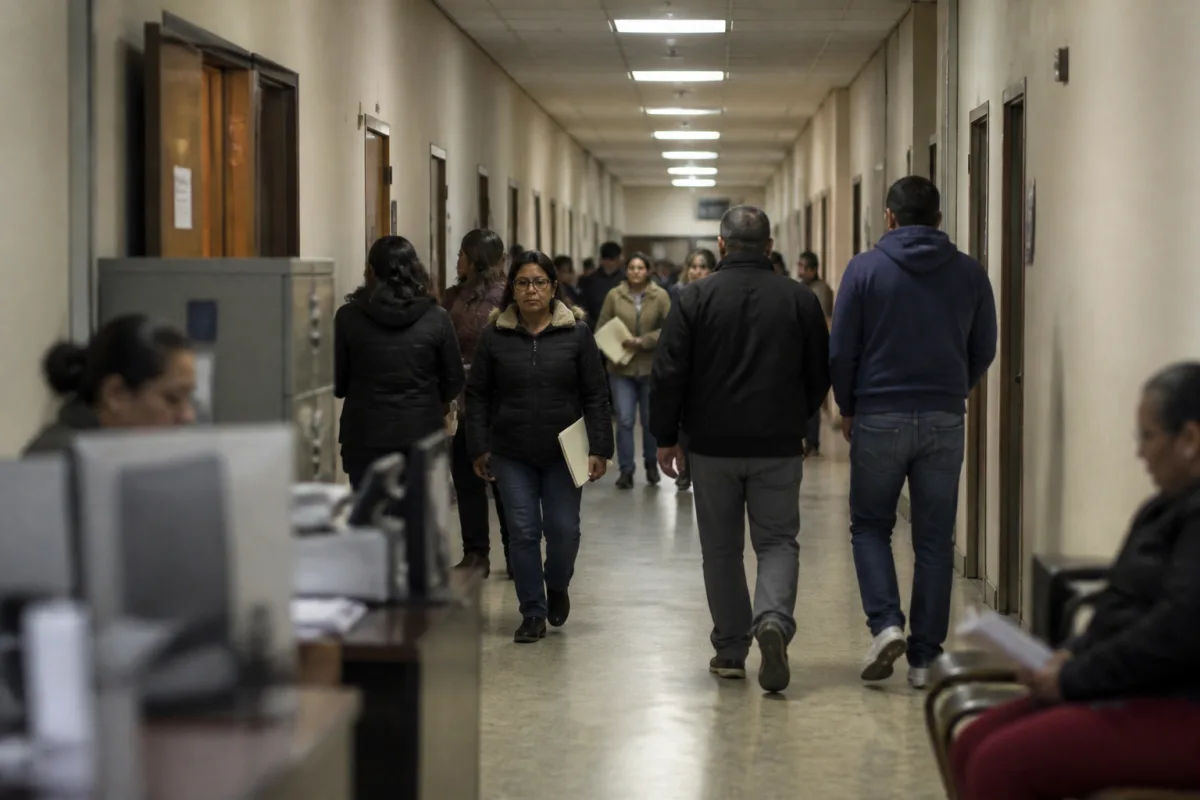
For a person with a conviction for violence, the likelihood of detention varies, but is less than 50%, and depends on the specific crime, the USCIS office where the interview takes place, and the location of the local ICE office. For example, in New York, interviews are held at 26 Federal Plaza, where the USCIS office is on the seventh floor, and ICE’s Enforcement and Removal Operations is on the ninth. In such cases, the risk of detention is significantly higher.
The problem is compounded if the criminal case is still in proceedings at the time of the interview. USCIS will not approve the I-485 until a final decision in the criminal case has been reached. The absence of a final verdict automatically becomes grounds for denying adjustment of status. This applies not only to serious crimes but also to unresolved cases involving driving under the influence, court disputes, and even traffic violations, if the court is slow to rule.
Risk of detention: two main scenarios
The two main causes of detention at interviews and what sets them apart
| Scenario | Old deportation order | Criminal history | |
|---|---|---|---|
| When discovered | At the interview or during a FOIA request | At the interview, if the case is pending | — |
| Likelihood of detention | High, if discovered | Less than 50%, depends on the crime | — |
| Prevention | File a FOIA request with OBIM in advance | Resolve all cases before filing I-485 | — |
| Average time in detention before a lawyer | 2 weeks | 2 weeks | — |
Consequences of denial of adjustment with a pending case
If an applicant filed I-485 and their criminal case was not resolved before the interview, denial of adjustment of status automatically triggers deportation proceedings. For people without status who overstayed their visa, this will almost inevitably lead to receiving a Notice to Appear in immigration court within the next few months.
Processing times in immigration courts are shrinking as new judges are hired and pressure increases to resolve cases quickly. This means that if you end up in the court system, the process will move faster than before.
Therefore, before filing I-485, it’s worth making sure all criminal cases are fully resolved, or getting a consultation with a lawyer to assess the risks.
People without status and a clean criminal record are rarely detained
Overall, people who overstayed their visa and are filing for adjustment of status through marriage, but have no criminal history, are rarely detained. Among the many cases reviewed, such detentions were practically never observed. This applies both to people still in lawful status and to those who have overstayed.
Success in such cases depends on the quality of evidence of a genuine marriage and following the attorney’s recommendations for preparing documents. If the marriage is genuine and supported by proper documentation, approval is achievable.
However, the future of this favorable scenario may change with the introduction of new public charge rules (the ability to support oneself). This could affect approval even in cases with a clean record and good documentation.
Average detention time and planning for critical situations
When ICE detains a person, the average time before a lawyer gets involved is two weeks. That’s two weeks away from family, work, and freedom. Given the seriousness of such situations, defense may only begin days or weeks after detention.
To minimize risks, you can create an emergency plan with a lawyer even before filing documents. Such a plan includes recording the full immigration history, copying all documents, and designating emergency contacts. If detained, a lawyer can quickly locate the person in the ICE detention system and connect them with a local defender.

Comments
Reader experience is useful, but it is not advice: check the rules on the official site.
No account needed: click Sign in, type any name, and you are done.