


Whether it’s safe to leave the US while an adjustment of status application is pending depends on whether the applicant has unlawful presence before filing. More than 180 days of such presence triggers a three-year reentry bar upon departure; more than one year triggers a ten-year bar. Even with advanced parole, crossing the border on it may now count as a full departure with these consequences.
Unlawful Presence and Reentry Bars
If a person has more than 180 days of unlawful presence before filing for adjustment of status and leaves the US, a three-year reentry bar usually results. If unlawful presence exceeds one year, the bar is ten years.
Such a person, who has been out of status for more than a year, can typically obtain a green card through marriage to a US citizen. Filing for adjustment of status inside the country allows most of the past unlawful presence to be waived. Once permanent resident status is obtained, departure no longer triggers these bars.
Advanced Parole: Leaving While the Case Is Pending
Advanced parole allows a person to travel abroad while an adjustment of status application is pending, even with unlawful presence. Previously, such a departure wasn’t considered a real departure, and no reentry bar arose from it. This was a legal fiction.
A precedent decision by the Board of Immigration Appeals (BIA) changed this practice: any departure on advanced parole is now treated as a full departure that can trigger a three- or ten-year bar. In the case described, an applicant with more than a year of unlawful presence who obtained advanced parole traveled to visit a dying parent and returned a week later. At the border, he will most likely be detained and placed in removal proceedings, since he is inadmissible due to the ten-year bar triggered by departing on advanced parole.
Applicants With Lawful Status
The situation looks different when a person is in the US on an H-1B visa, which is a dual intent visa, and files for adjustment of status after marrying a US citizen. Such an applicant doesn’t need advanced parole as long as they fully comply with H-1B conditions. Traveling on H-1B is allowed, and the risks of travel while adjustment of status is pending don’t increase: the process doesn’t affect dual intent status.
Since such a person has no unlawful presence, leaving while the case is pending usually doesn’t trigger reentry bars. Even if the applicant used advanced parole instead of H-1B and thereby stopped fully complying with visa conditions, a bar generally doesn’t arise.
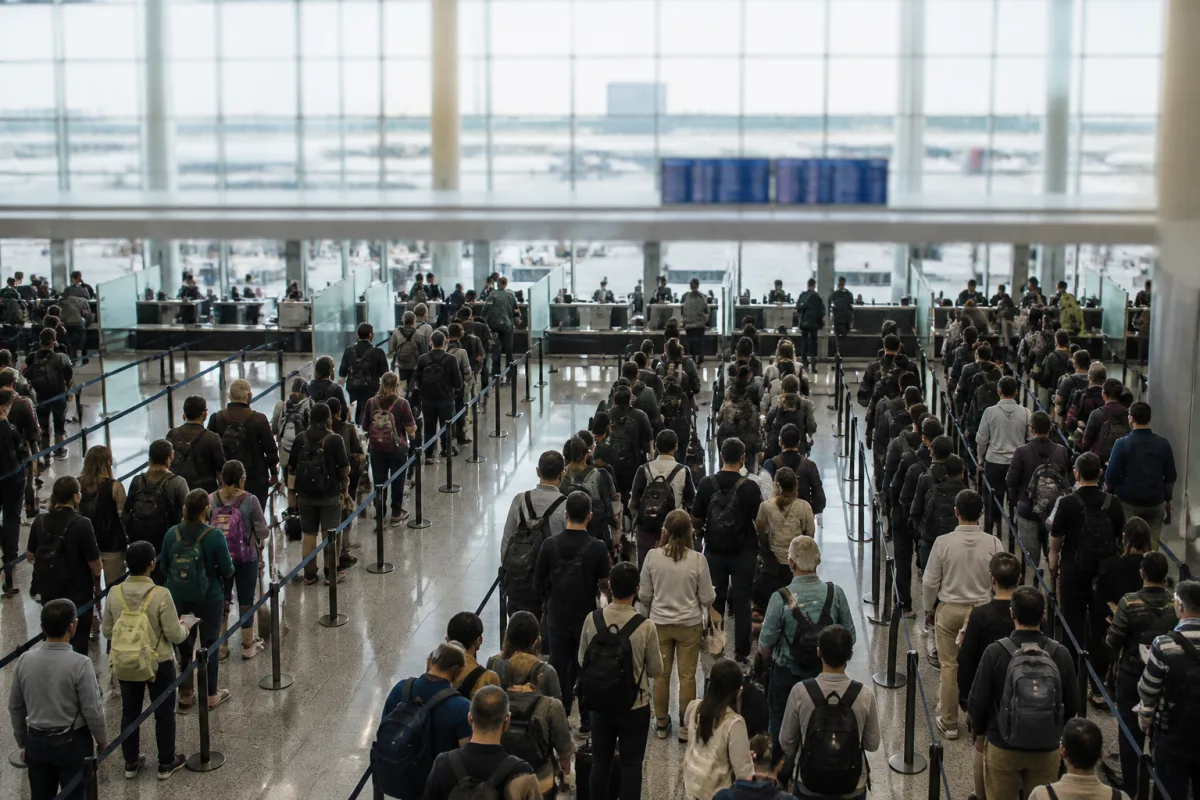
Risks of Re-entry on Advanced Parole
Any trip on advanced parole carries significant risks even without unlawful presence. Reentry on advanced parole is entirely at the discretion of the customs officer. USCIS approval doesn’t guarantee readmission at the border.
If entry is denied, the adjustment of status application may be deemed abandoned, or removal proceedings may be initiated against the applicant simultaneously, and the process will no longer follow its previous path. Therefore, leaving on advanced parole is justified only when the person understands that entry may be denied.



Comments
Reader experience is useful, but it is not advice: check the rules on the official site.
No account needed: click Sign in, type any name, and you are done.