
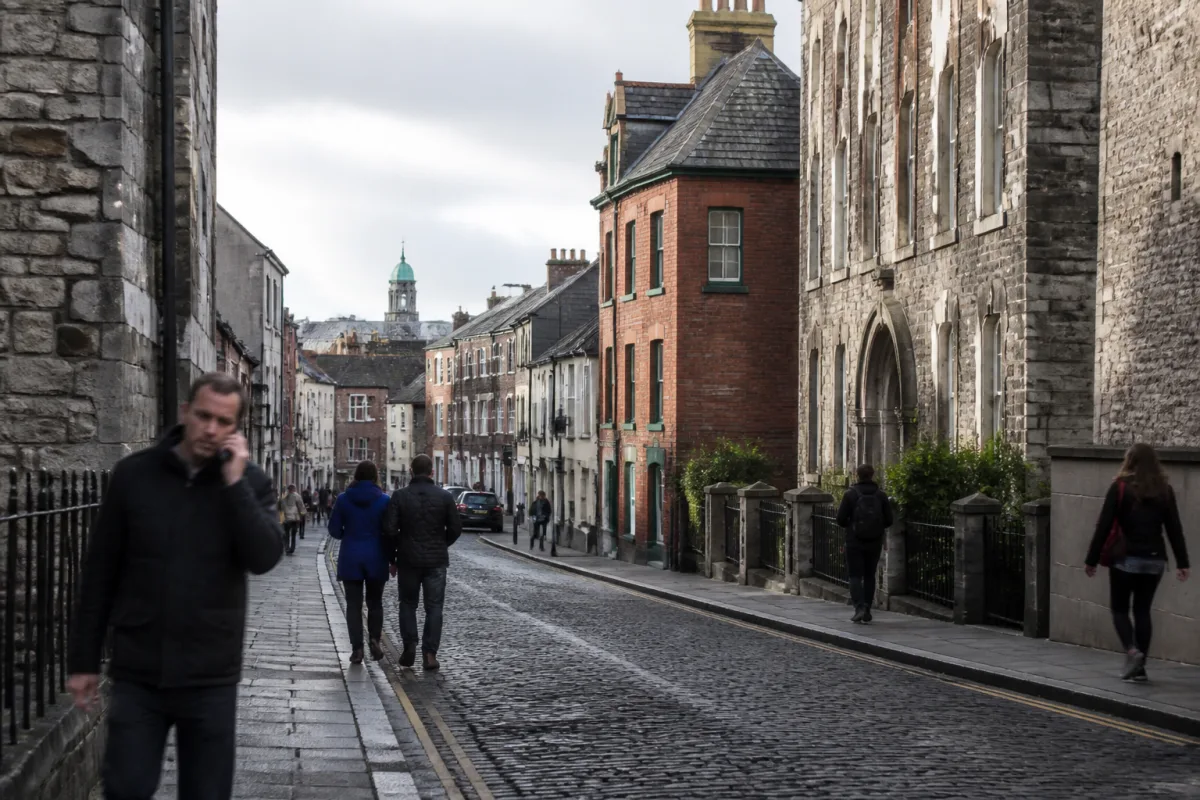

The Irish education system consists of 12 years of study without division into ability streams. Students do not repeat a year — instead, they receive additional support in the material they’ve covered and move forward with their class. A special transition year between junior and senior school allows teenagers to learn more about themselves and the world before taking their final examinations.
School structure: primary and secondary school
Irish school includes 6 years of primary school (Primary School) and 6 years of secondary school (Secondary School). Primary school begins at around age 6, though it’s possible to send a child earlier to the Infant class, which operates from ages 4–5. Primary School has Junior Infant and Senior Infant classes, which allow for a gentler adaptation to school.
Both levels operate on a full-day schedule: primary school from 9:00 to 14:30, secondary school from 9:00 to 16:00. In exchange for a longer school day, children receive longer summer holidays.
Primary school: no grades or grade retention
During the first 6 years of Primary School, there are no exams and grades in the traditional sense. Instead, children receive a description of their achievements in the form of a report, but without numerical scores. This removes pressure on the child and avoids grade retention.
It’s important to note that this system does not mean there is no oversight. Teachers carefully track the development of each student and provide support to those who are falling behind. All children remain in the same class and are not divided by ability, which promotes social integration and reduces psychological stress.
Secondary school: Junior and Senior Cycle
From age 12, students move to Secondary School, where there is no distribution into different types of educational institutions, as in Germany. All students study in one school.
The first three years of secondary school make up the Junior Cycle. During this period, the first official exams appear: at the end of each academic year, a comprehensive assessment of knowledge of all material covered is conducted. A single comprehensive exam is graded, rather than a sum of individual tests throughout the year, as in the German system.
The Junior Cycle stage concludes with an exam that can be compared to the German Realschulabschluss (certificate of completion of basic school). Grade retention is not provided at this stage either: the system supports students with additional classes but moves them forward.
Transition Year: a year of personal development
After Junior Cycle, Irish school has a unique Transition Year, which has no exams. This is not an academic year in the conventional sense, but a time for personal growth and exploring one’s own interests.
During Transition Year, students complete work experience in companies, take field trips, take courses in practical skills — from driving to writing a resume, participate in sports, arts, and charity work. Each school independently chooses which programs to offer students, so the content of the year varies. This period gives teenagers the opportunity to better understand themselves and figure out what they want to do before taking serious final exams.
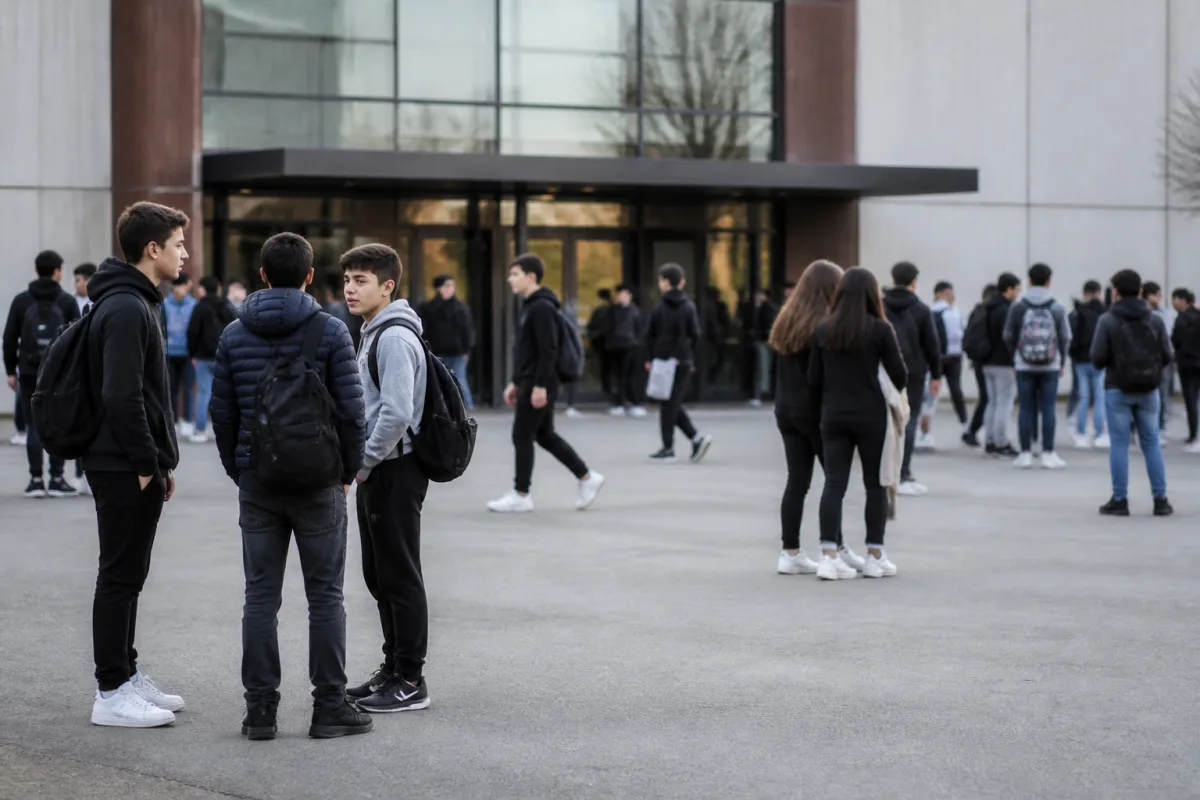
Senior Cycle and leaving certificate
At the final stage, in Senior Cycle (the last two years of school, years 5 and 6 of Secondary School), serious preparation begins for the Leaving Certificate — a certificate of completion of secondary education, equivalent to the German Abitur.
Students choose subjects for the exam and accumulate points, which serve as the basis for admission to university. The number of required points depends on the popularity of the program and is transparently published by educational institutions. The university admissions process is more open and predictable than in many other countries.
Differences from the German system
The main difference of the Irish system from the German one is the absence of grade retention and the absence of division of children into different types of schools. In Ireland, all students move forward together with their class, receiving additional support if necessary.
Grading is based on final exams at the end of the year, rather than on the accumulation of grades for intermediate assignments. Although knowledge checks do occur during the year (including November reassessment), they do not count toward the final grade. This approach allows children to learn better by knowing the structure of assessment in advance and reduces the pressure of daily testing.
Comments
Reader experience is useful, but it is not advice: check the rules on the official site.
No account needed: click Sign in, type any name, and you are done.