
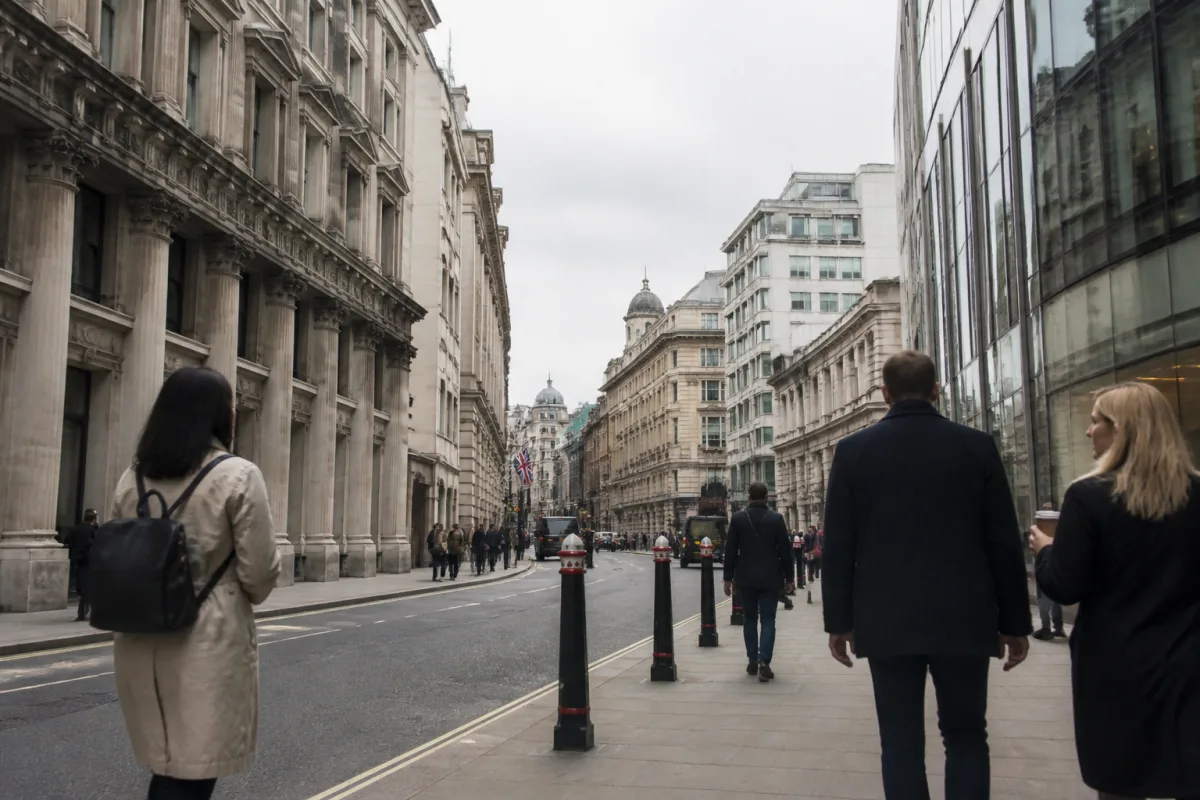

People who submit asylum applications after immigration authority detention now face stricter scrutiny. Authorities have begun requiring explanations for why applicants did not file sooner, and treat delays as a factor that undermines credibility in their accounts.
When Late Asylum Applications Arise
Delays in submitting asylum applications most often occur when a person is in the UK illegally, has received an asylum refusal, or is on another visa but has not attempted to secure their status. When detained before deportation, many people submit asylum applications at the last moment, citing threats to their life if returned.
An example might be a student whose student visa expired and who did not submit an extension application. With no work permission, when detained, he first claims asylum, asserting that he faces danger in his home country.
Enhanced Scrutiny: What Officials Check
With late asylum applications, officials and judges now examine why applicants waited until the last moment. Questions focus on why, if there was a genuine threat to life at home, the person did not submit an application immediately upon arrival in the UK.
One reason for such scrutiny is that delays may indicate an absence of genuine fear of return. However, human rights law requires authorities not to refuse protection based solely on delay. This is only one factor considered alongside other evidence.
How Delay Affects Case Consideration
If an applicant can explain why they did not submit an application sooner, this may help their case. For example, if a person was unaware of the possibility to apply, or if events later made them fear return, this may be taken into account.
However, simply lacking an explanation for the delay will complicate case consideration. The more convincingly an applicant can justify why they were forced to wait, the higher the chances of success.
Combating Repeat Applications
The new policy also targets the system of repeated and unfounded applications that delay deportation for months or years. When a first application is rejected, some people submit a second, then a third, creating an endless legal queue.
The government seeks to limit this by giving people one opportunity to present a compelling justification for their application, rather than multiple attempts. The goal is to speed up decision-making in asylum cases.
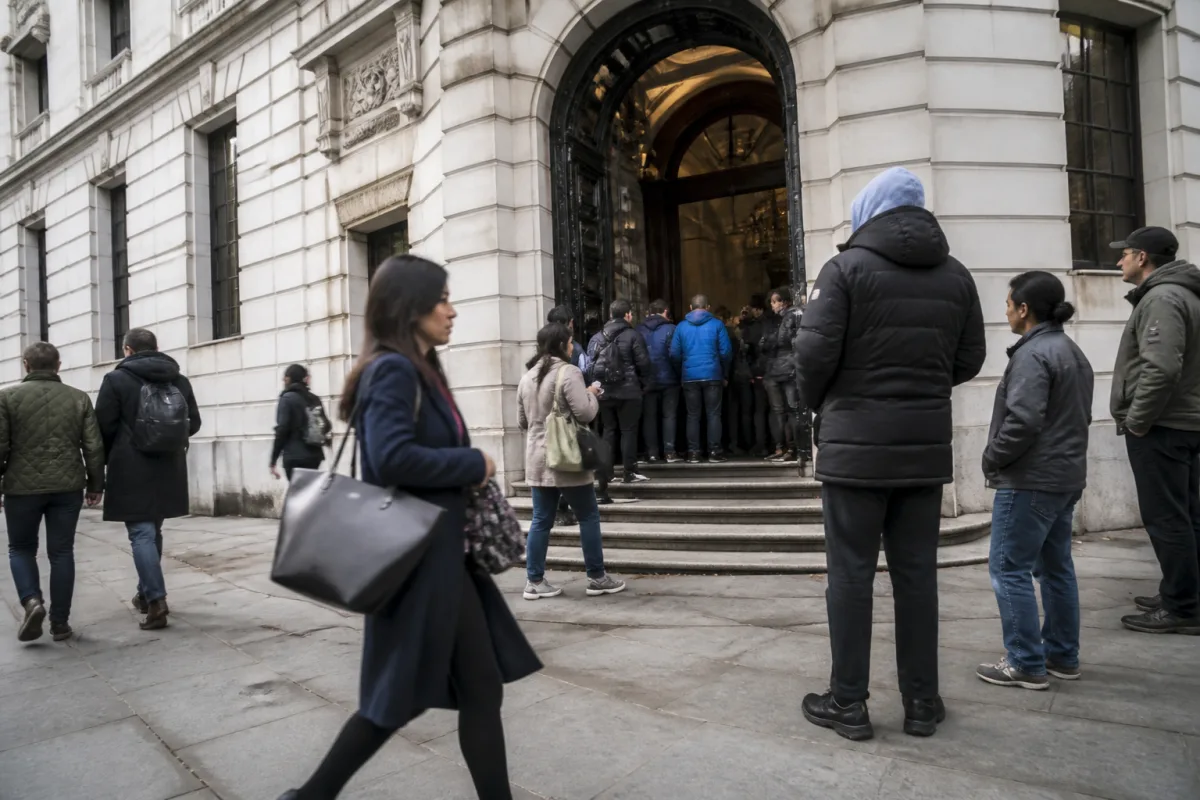
New Appeals Body
The government plans to establish an independent body—the Independent Immigration Appeal Authority—to replace the current First-Tier Tribunal Immigration and Asylum Chambers. Operations are expected to begin in mid-to-late 2027.
Until then, current tribunals will continue reviewing cases. The new body should operate faster, making decisions on asylum appeals within shorter timeframes.
Practical Advice: Do Not Delay Your Application
People facing immigration difficulties should seek professional legal assistance as soon as possible rather than waiting for detention. Delaying an application damages the applicant’s reputation, character, and suitability for any future permission to stay.
Any legal matter requires proper legal consultation before taking any action.

Comments
Reader experience is useful, but it is not advice: check the rules on the official site.
No account needed: click Sign in, type any name, and you are done.