


Time spent in the UK without a visa does not automatically guarantee a right to legalisation. Exceptions to immigration rules exist, but they apply depending on each person’s individual circumstances. A visa can only be obtained through an official application, and the decision rests with the Home Office.
When 20 years of residence grants the right to legalisation
UK immigration law contains a rule: if a person has lived in the country illegally (without a valid visa) for 20 years, they may claim the corresponding status. However, this is not an automatic right — compliance with the conditions must be proven.
If the period without a visa is less than 20 years, an explanation of the reasons why the visa should be approved will be required. The law contains provisions on exceptional circumstances: for example, if a person has endured serious hardship and the law provides a mechanism for their protection.
Why consulting a qualified specialist is critical
In practice, people often postpone seeking legal help until the last moment — until a Home Office notice arrives or an urgent family need arises. By then, months or years that could have been spent preparing documents and a strategy are lost.
Immigration agents and lawyers provide a professional analysis of the specific situation. The Home Office will not come to your home offering a visa — they come to detain and deport. A visa must be obtained independently through an official application.
When to consult a specialist
Don’t delay if one of these situations applies to you
- You’ve been in the country for more than 10 years without a visathe 20-year residence rule may apply
- You received a notice from the Home Officeimmediate consultation is required
- Exceptional circumstances exist (illness, family)must be proven in the application
- A previous application was submitted and refuseda new application requires a changed approach
Being proactive in applying is a key factor
People who successfully obtained a visa describe the main lesson: they sought professional advice and took action. In practice, visas are granted every day — there are people who lived in the UK for 10, 15, or 18 years without status who still received leave to remain.
Some were refused once or twice but kept applying and eventually got a visa. A delay of several years is often linked to personal circumstances that prompt action: a parent’s illness, a child’s marriage, or the need to be close to family.
What to do if facing deportation or detention
If a person believes their situation falls under suitability provisions, there is no time to delay. It is essential to contact a competent and qualified immigration law specialist immediately. After a consultation, the specialist can give well-grounded advice and outline the next steps.
Lacking status does not mean the law lacks protective mechanisms. Every case is unique, and a professional will assess whether exceptions apply to that particular situation.
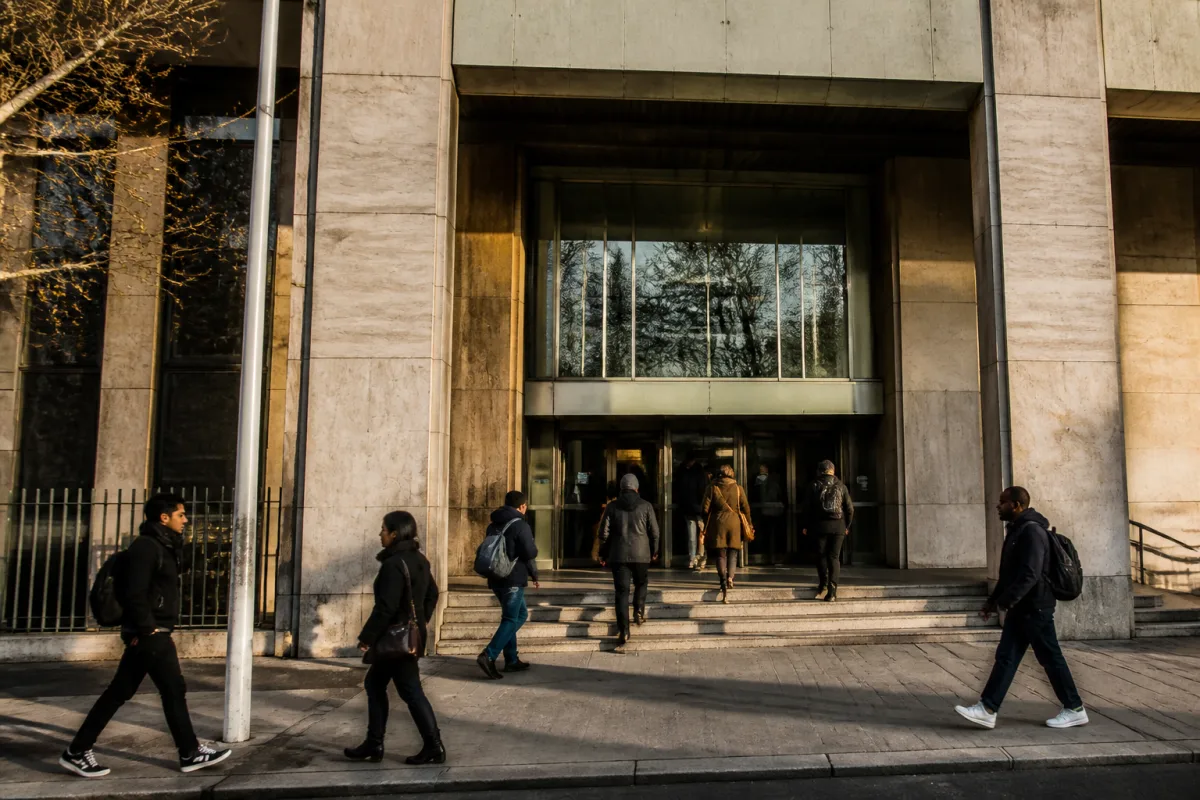
A success story — the result of advice and following recommendations
People who were granted a visa after many years without status highlight one key point: they received advice from a specialist and acted on it. This proved to be the turning point.
You cannot wait for the Home Office to notice your situation on its own. Taking the initiative and promptly consulting a lawyer or licensed agent is what distinguishes successful legalisation cases from prolonged overstay.


Comments
Reader experience is useful, but it is not advice: check the rules on the official site.
No account needed: click Sign in, type any name, and you are done.