


Leaving the US before a decision on an extension or change of status application means the application is treated as abandoned — as if it had never been filed — and the entire waiting period can retroactively count as unlawful presence, with a risk of an entry bar if it tops 180 days.
In short
- A US tourist status extension typically takes 5–6 months or longer to process — the decision can arrive after the requested period itself
- Leaving the US before a decision on an extension application risks having it treated as abandoned, turning the wait into unlawful presence
- Unlawful presence under 180 days carries no legal entry bar, but every case is still decided individually by an officer
- 180 days to a year beyond the authorized stay risks a three-year visa bar; over a year risks a ten-year bar
- Ukrainians on U4U and TPS switching to E2 are advised to wait for a decision on their status extension before leaving for the interview
How tourist status extensions work in the US
The length of stay on a tourist visa is set by the CBP officer at entry and noted on the I-94 — it’s commonly around 180 days, but the exact period can vary and is always shown on the stamp itself. If plans change during that window — someone wants to stay longer or prepare a change of status, for example to E2 or O1 — it’s possible to file for an extension of tourist status for another six months.
USCIS decides such applications at its own discretion: a well-documented reason improves the odds, but approval isn’t guaranteed, and a denial on this type of application can’t be appealed. Under the current administration, immigration processing in general has also gotten slower.
The application has to be filed before the current period of stay runs out — for example, if status expires on June 1, filing must happen before that date. Then comes the wait: USCIS processes these applications slowly, with a typical decision taking five to six months, sometimes longer. As a result, approval often arrives after the requested extension period itself would have already ended.
USCIS takes 5–6 months or longer to process a tourist status extension — approval often arrives after the requested extension period would have already ended.
Why leaving before a decision turns the application “abandoned”
Immigration attorneys often warn that leaving the US before getting a decision on an extension or change of status can get the application treated as abandoned. Before planning any departure, it’s worth checking this risk with an immigration attorney for the specific situation. For USCIS, this means the filing is treated as if it had never happened — the fact that it was submitted stops counting at all.
For USCIS, this means the filing is treated as if it had never happened — the fact that it was submitted stops counting at all.
The problem is that extension processing stretches to five or six months or more, and the decision can land after the date the extension was even requested through. If someone has to leave during that window — say, because of a situation back home — they end up leaving before getting an answer.
Because of abandoned status, the entire period from the expiration of the original tourist status is retroactively counted as unlawful presence. In the case described, that was the same five months of waiting: the person was technically in the US lawfully while waiting for a response, but after leaving without a decision, that period gets reclassified as unauthorized stay.
Leaving the US before a decision on an extension application can get it treated as abandoned — and the entire waiting period retroactively becomes unlawful presence.
The 180-day threshold: when unlawful presence is still safe
If unlawful presence in the US lasted less than 180 days, there’s no legal bar on returning to the country. This threshold is counted from the moment the original period of stay expired — not from the date the extension application was filed — and it applies regardless of whether a decision came through before the person left.
This threshold is counted from the moment the original period of stay expired — not from the date the extension application was filed
That doesn’t mean a consular officer will overlook the situation. They’ll see that authorized stay ended, say, on June 1, while departure only happened on December 15, and will treat that as a technical violation of the law — even if no bar applies. That’s why it matters to keep every document filed before the deadline: proof that the extension application was submitted on time, with the date clearly shown. At the interview, that’s the paper that can be presented as evidence the situation was lawful at the time of departure, and that leaving happened earlier than planned for a legitimate reason.
Even with less than 180 days of overstay beyond the original period, there’s no guarantee — in practice this usually goes fine, but every decision still rests with the officer.
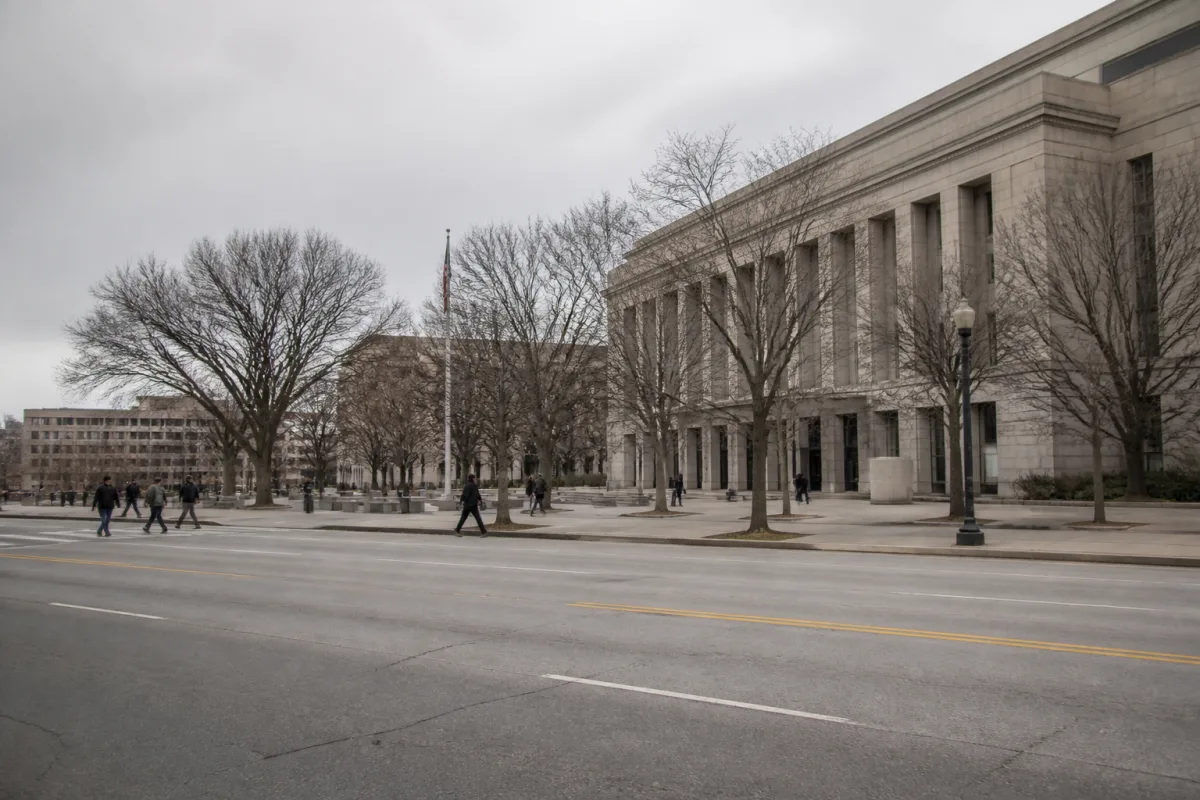
A document showing the date the extension application was filed is evidence for the officer that the situation was lawful at the time the status expired and departure happened.
3- and 10-year bars: what’s at stake past 180 days and a year
Under general US immigration law, unlawful presence of 180 days to a year can trigger a three-year entry bar when applying for a nonimmigrant visa, and going over a year can trigger a ten-year bar. The exact conditions for applying these bars should be checked against the current USCIS and State Department rules, since they can be clarified or updated.
The length of the bar depends on which side of the 180-day and one-year lines the applicant fell on at the time of departure. Even within the 180–365 day range, the odds of getting a new visa after not waiting for a decision drop substantially: crossing that threshold makes future consular applications harder regardless of whether the formal bar ends up applying.
A typical scenario leading to this outcome: an attorney files extension paperwork, warns the client that a decision can take four to seven months, and then the two sides lose touch. The applicant leaves the country before getting an answer — and that’s exactly the moment the accumulated days of unlawful presence turn into grounds for a bar.
An important caveat: the bar itself doesn’t kick in automatically at 180 days or a year — a consular officer decides that case by case.
Unlawful presence periods and US entry bars
The longer the stay beyond the authorized period, the harsher the consequences when applying for a new visa.
- Under 180 daysno barno legal bar on returning applies
- 180 days to a yearrisk of a 3-year barwhen applying for a nonimmigrant visa
- Over a yearrisk of a 10-year bardecision rests with the consular officer
The bar isn’t automatic: how a consular officer evaluates it
The bar doesn’t trigger automatically the moment a deadline is crossed — even 195 days of overstay by itself doesn’t mean entry is mechanically closed off. As a general rule, the decision is made individually, case by case.
even 195 days of overstay by itself doesn’t mean entry is mechanically closed off
In practice, a consular officer checks I-94 records and visa entry/exit data: how much time someone actually spent in the country against the authorized period. A real-world example: if records show authorized stay only through June 1, but departure is logged in December or the following January, that gap shows up right away — the officer isn’t doing complicated math, but the obvious gap between dates stands out.
These kinds of discrepancies in the record become grounds for denial: attorneys warn clients about the risk of refusal over a past violation — whether an overstay or some other incident in the applicant’s history. That said, there are cases where the officer doesn’t catch the inconsistency and the visa gets issued anyway — but counting on that kind of oversight isn’t a strategy: if the officer follows the rules strictly and unlawful presence went over 180 days, the odds of getting a new visa drop sharply.

How this affects Ukrainians on U4U, parole, and TPS
For Ukrainians, the extension question is especially pressing: the Uniting for Ukraine (U4U) program is winding down, and a TPS extension remains uncertain. Against that backdrop, some Ukrainians in the US under these programs are considering a switch to E2 status — and run into the same choice: wait for a decision on the extension, or leave for the consular interview right away.
Clients in this situation are usually advised to wait for a decision on the status extension before leaving the country for the interview — this keeps legal status intact right up to departure and avoids creating problems when applying for a nonimmigrant visa at the consulate.
There’s one softening to this rule: if status (such as U4U or TPS) expired quite recently, two to three months before departure, the risk is lower — leaving without a final decision is unlikely to create serious consequences. But that’s not a blanket guarantee, just an assessment of a specific situation, and the same 180-day threshold remains the key benchmark: the closer an applicant is to that line, or the further past it, the higher the risk of getting barred from returning to the US.
The U4U program is winding down and a TPS extension isn’t guaranteed — Ukrainians switching to E2 should wait for a decision on their status extension before leaving for the interview.
Frequently asked questions
Can you file for an extension if plans aren’t final yet — for example, it isn’t decided whether to stay or not
Yes, a tourist status extension application is filed based on a current intent to stay longer, and filing itself doesn’t require being completely certain about future plans — what matters is filing before the current period of status runs out.
Can a second extension application be filed if the first one already expired while waiting for a decision
The source material doesn’t cover this specifically: it only addresses the situation where a decision on the first application is still pending and leaving before it arrives creates a risk of “abandoned” status. Any repeat filing should be discussed with an immigration attorney, taking the specific dates into account.
Can an extension be filed from abroad after someone has already left the US
This situation isn’t described: the material only covers extensions filed while the applicant is still in the US, and the consequences of leaving before a decision. Filing for an extension from outside the country is a separate case that needs to be checked with an immigration attorney.


Comments
Reader experience is useful, but it is not advice: check the rules on the official site.
No account needed: click Sign in, type any name, and you are done.