
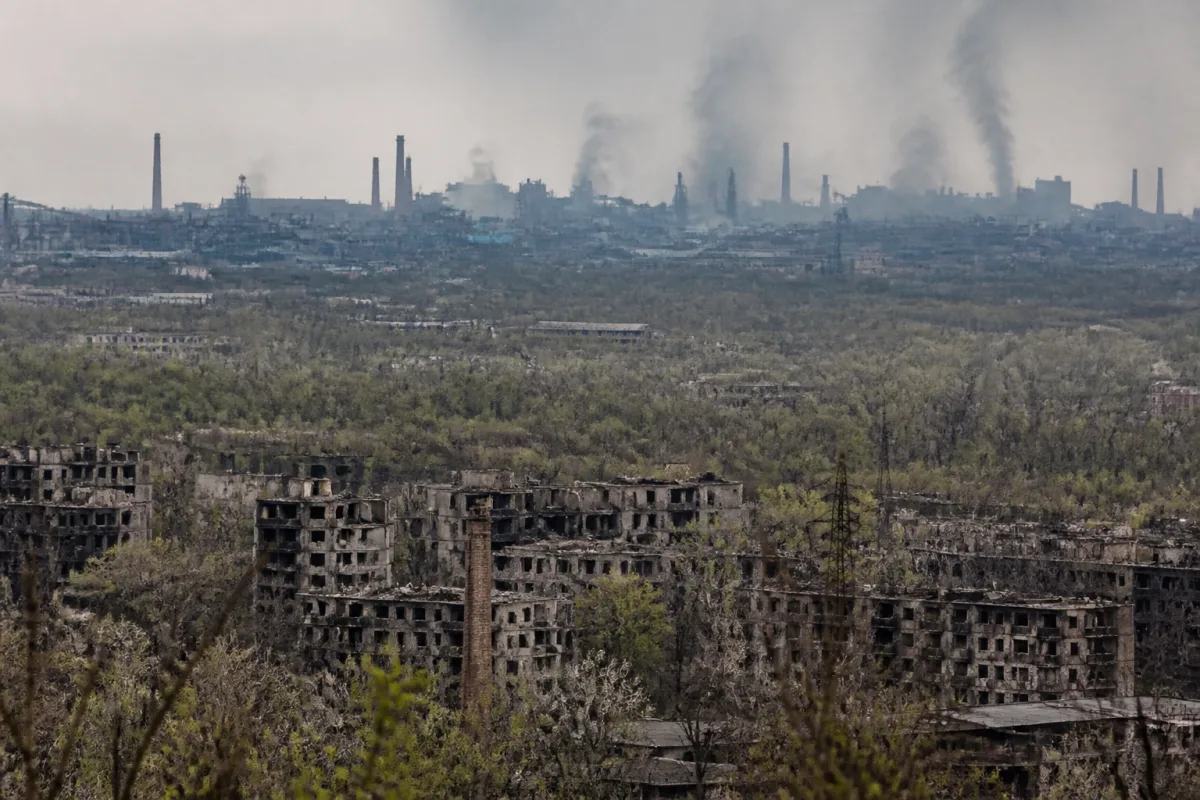

Ukrainian publication Glavkom published alleged details of a new plan to end the war, citing information spread by Russian media. There is no official confirmation of the document’s authenticity, and most provisions repeat previously known initiatives.
What the document provides for
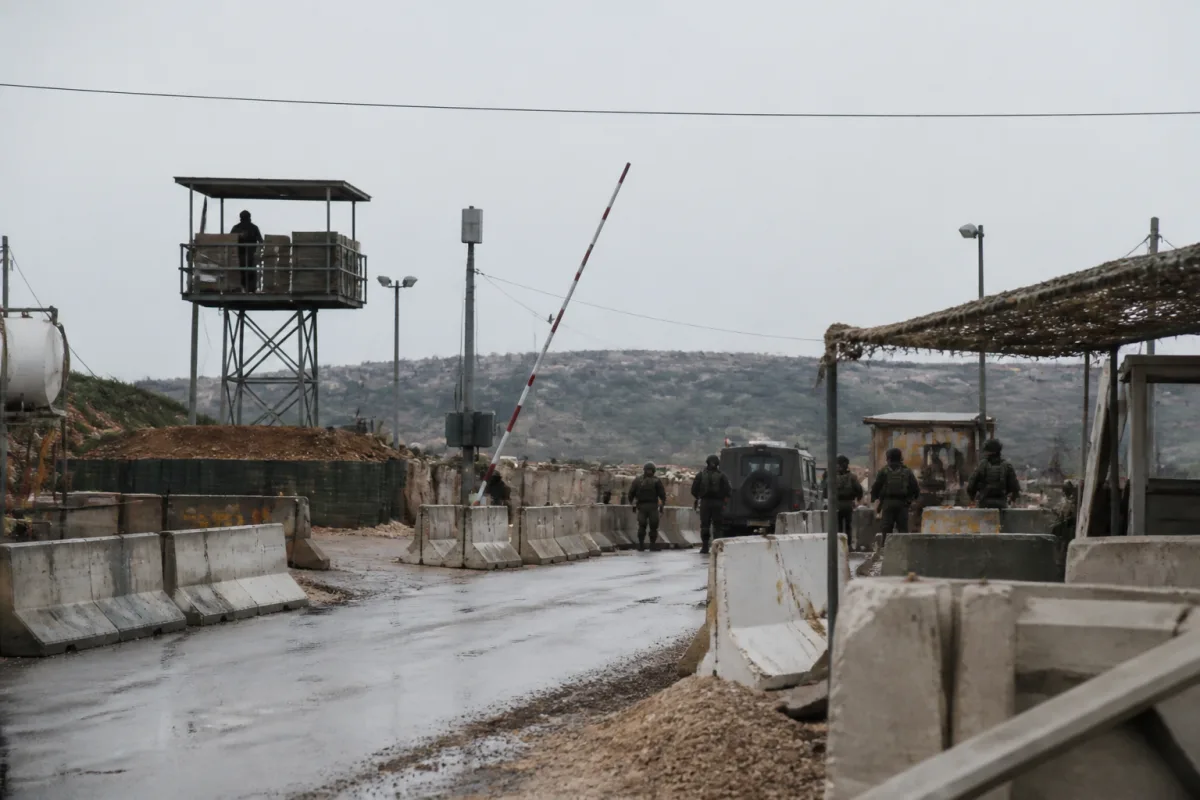
According to the publication, Ukraine should withdraw troops from a defined part of Donbas, and Russia should not deploy its forces there. The parties plan to create a buffer zone controlled by an international UN contingent. For part of Zaporizhzhia region, a separate mechanism is proposed: Ukrainian jurisdiction over the territory is preserved, but UN military personnel may also be deployed in the buffer zone.
For another part of Donbas, a different model is envisaged: de facto, the territory can remain without Russian forces, but de jure, it would fall under Russian jurisdiction.
Referendum, elections and constitutional changes
The plan allegedly provides for a referendum and elections in Ukraine. After that, the new Ukrainian authorities would have to make constitutional changes that would provide for renouncing the forcible return of the specified territories.
The realism of such a scenario raises doubts even in case of hypothetical agreement to it: an agreement built on such a condition would hardly lead to lasting peace, since adding to the Constitution a provision on renouncing the return of territories seems an unlikely step for any Ukrainian government.
Non-bloc status and peace treaty
Another condition is Ukraine’s consolidation of non-bloc status. This requirement does not look new and is unlikely to be a problem: NATO, as well as the US and European countries, have repeatedly stated that Ukraine’s accession to the alliance is not being considered.
After all conditions are met, the new Ukrainian authorities are allegedly to sign a full-scale peace treaty, which is planned to be ratified through a special procedure with UN participation.
How realistic are the timelines
Even if we assume that the described requirements can be met, the very sequence — referendum, new elections in Ukraine, constitutional changes — is a process that could drag on for two to three years. Throughout this time, Ukraine would effectively remain in a state of limbo, and only after this stage is completed could a peace treaty theoretically be signed.

Comments
Reader experience is useful, but it is not advice: check the rules on the official site.
No account needed: click Sign in, type any name, and you are done.