
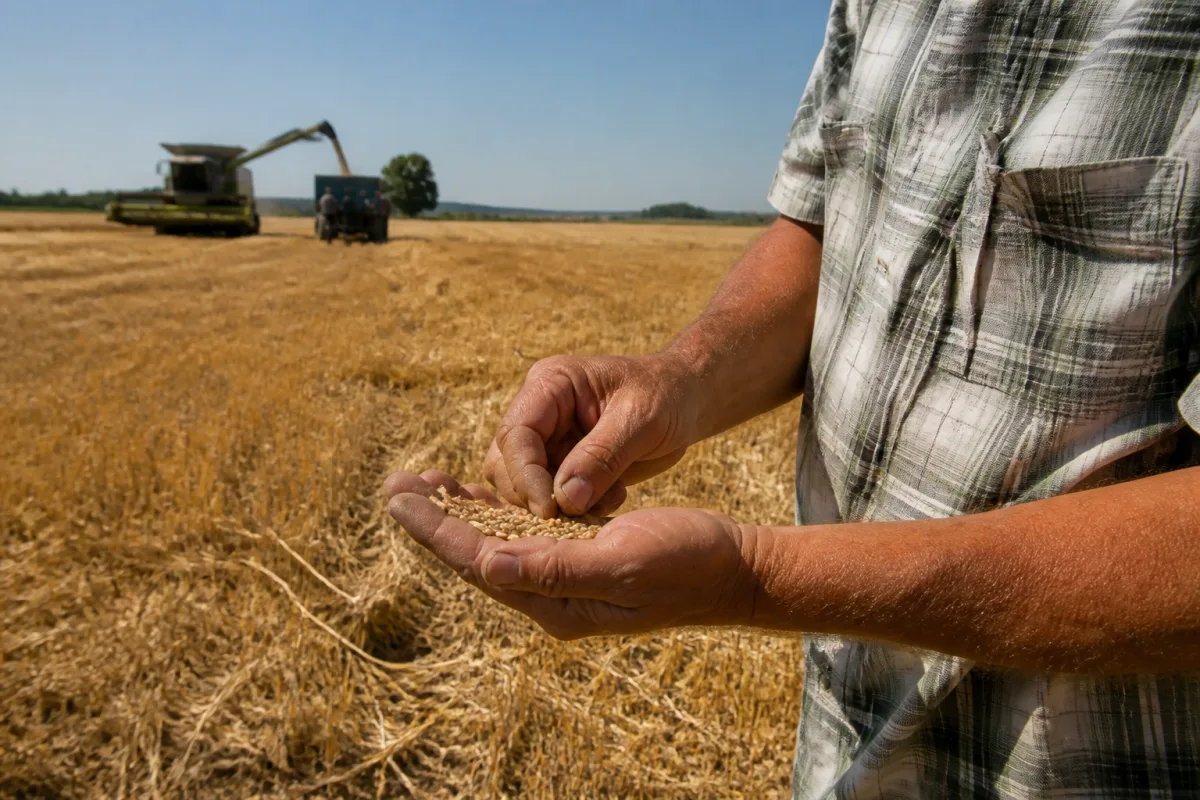

In spring 2026, a moisture deficit covered practically all of Poland, with drought threats recorded in all voivodeships of the country — approximately 63% of all gminas. At the same time, Polish farms faced a shortage of labor: Ukrainians, who previously made up 90% of seasonal workers in Polish fields, stopped coming en masse after the 2024 border events.
Scale of the drought
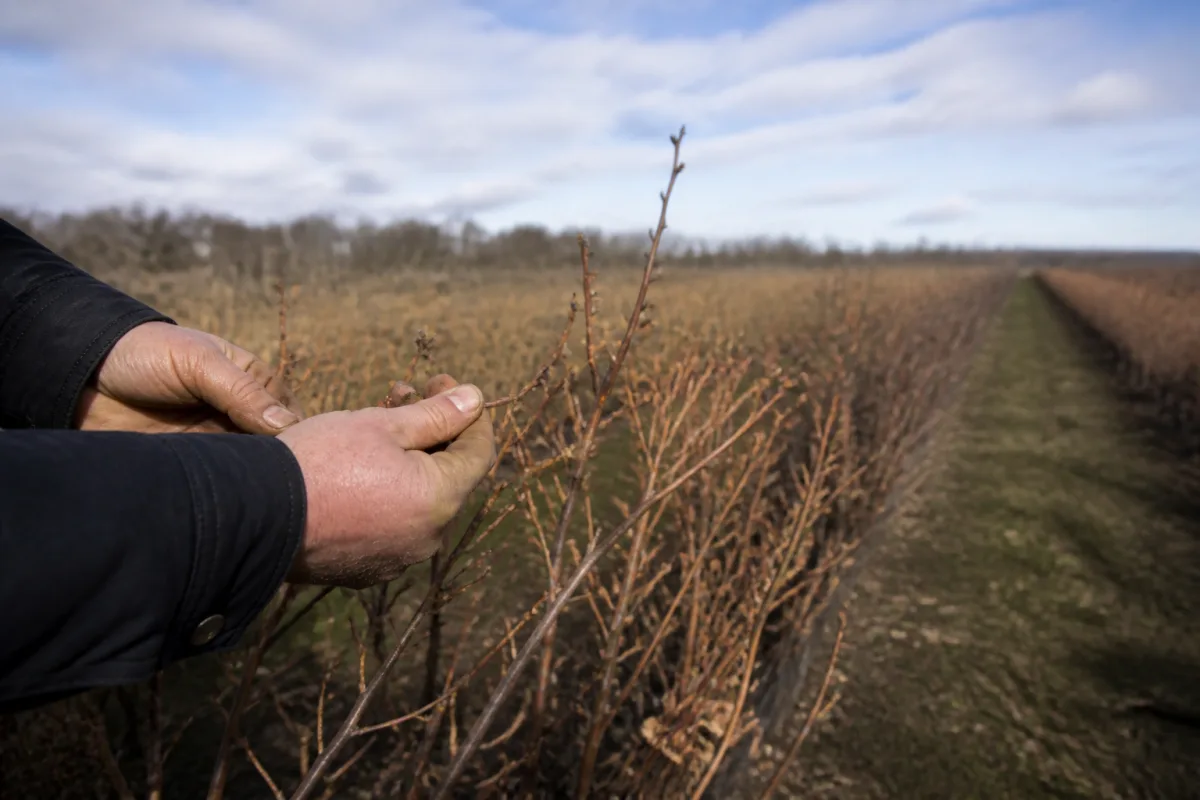
In many regions of Poland, there was practically no rainfall. In the third decade of April, in some parts of the country, less than 3 mm of precipitation fell — according to Polish monitoring services, this is about 10% of the amount needed for plants. June rains no longer saved the situation: for some crops, moisture came too late, and the plantings in the fields burned out before the combines were supposed to arrive there.
The Polish ministry launched a mobile application where farmers can submit claims about losses until mid-October to receive state payments for burnt harvest.
Why there’s no one to collect the harvest
Previously, 90% of all seasonal workers in Polish fields were Ukrainians. Now hiring people from Ukraine has become difficult: the war continues in Ukraine, and Polish officials have made the invitation process so complicated and expensive that farmers themselves complain about this bureaucracy. The worst situation is for those who grow berries and orchards: if strawberries are not harvested within two weeks, they rot.
In the Polish Sejm, the agricultural sector directly declared to deputies about a labor crisis. Officials began looking for options to bring workers from Asia or Africa, but by the time they are brought in, processed, and trained, the harvest season will already be over.
Why Ukrainians no longer go to Poland
At the Sejm meeting, they tried to explain the absence of Ukrainian workers by war and mobilization, saying men cannot leave. But the real reason is different: after Polish protesters blocked borders in 2024 and dumped Ukrainian grain from wagons directly onto the tracks, Ukrainian seasonal workers stopped going en masse to work on Polish farms.
This is confirmed by official statistics in Poland at the highest political level in Warsaw: the number of Ukrainians who want to deal with Polish farmers fell sharply right after the 2024 events. Ukrainian workers instead choose other EU countries, where they pay more and are treated differently.
Criminal cases from the 2024 protests
In 2024, Polish protesters cut open wagons with Ukrainian grain using angle grinders. The Polish prosecutor’s office in Chelmno opened criminal cases for intentional destruction of property, breaking customs seals, and violating the customs security of the European Union. Under Polish criminal law, this carries a penalty of from three months to five years in prison.
Affected Ukrainian carriers and cargo owners filed civil suits for damaged transit goods.


Comments
Reader experience is useful, but it is not advice: check the rules on the official site.
No account needed: click Sign in, type any name, and you are done.