


The atmosphere created after the blockade of the Polish-Ukrainian border persists in Poland to this day: politicians continue anti-Ukrainian rhetoric, and part of the media and social networks supports the theme of ‘Ukrainian competition’. As a result, Polish farmers increasingly struggle to find seasonal workers — Ukrainians choose Germany, Netherlands, Belgium, Czech Republic, Baltic countries, or Scandinavia, where they feel more comfortable.
How the Atmosphere of Protests Became Everyday Rhetoric
The blockade of the Polish-Ukrainian border, during which Ukrainian drivers sat in trucks for weeks, formally ended, but the atmosphere surrounding it in Poland has not disappeared. Politicians continue to talk about Ukrainians on television, part of the media supports the theme of Ukrainian competition, and on social networks — Facebook, TikTok — this topic takes on a life of its own. What initially sounds from politicians on television then moves to social media, and from there to ordinary everyday conversation.
The Polish Paradox: Business Needs Ukrainians, Politicians Don’t
Ukrainian workers are indeed needed by the Polish economy today, yet part of the Polish political establishment builds popularity on the assertion that there are too many Ukrainians, that they take away jobs, that Poles don’t want Ukraine to join the EU, and don’t support payments and aid to refugees. Business says it needs workers, politicians say fewer Ukrainians are needed. These two realities conflict, and the question is who will ultimately pay for this contradiction.
President Nawrocki’s Statement
Polish President Karol Nawrocki reiterated at a political event that Poland provides assistance to Ukraine where Russians are being defeated, even without direct participation in the war — this, he said, is Poland’s strategic interest. At the same time, he stated that another strategic interest for Poland is that flags associated with Banderite ideology do not fly in Warsaw and throughout Poland.
Why Polish Farmers Cannot Find Workers
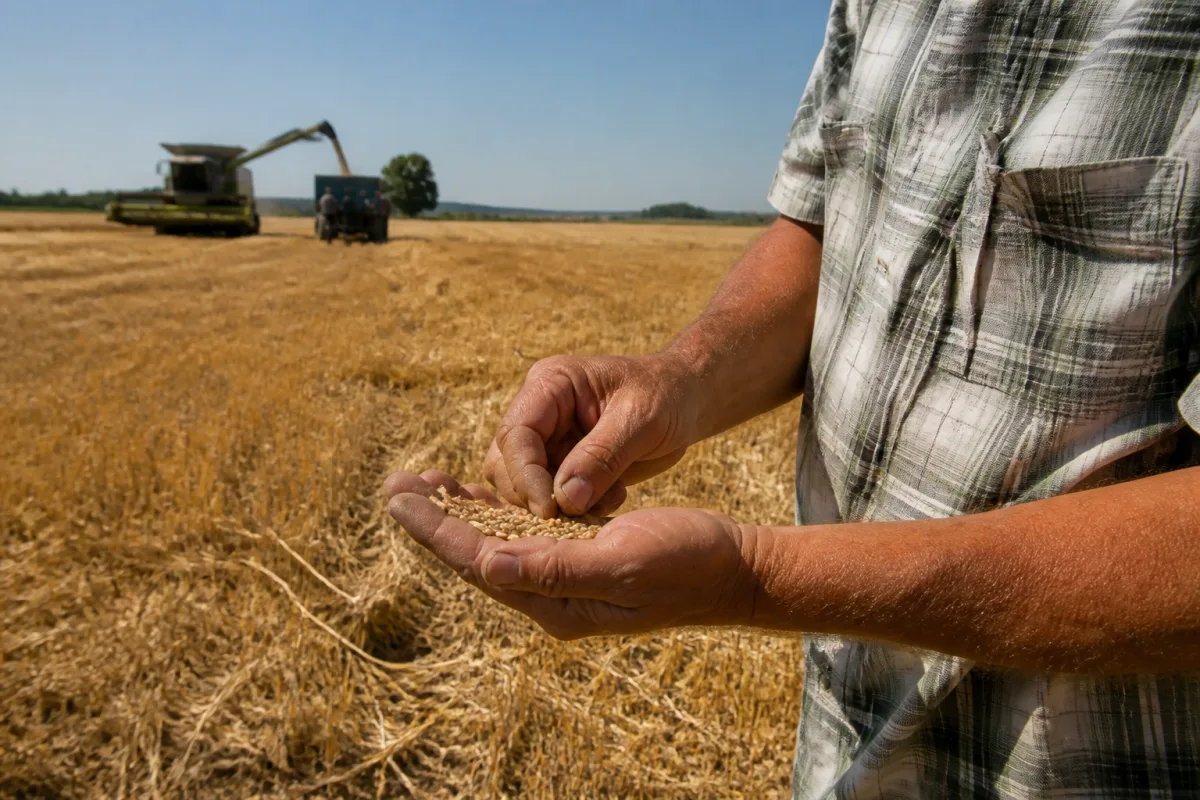
Polish agriculture has relied on Ukrainian labor for years, especially during seasonal work — harvesting strawberries, raspberries, apples, vegetables, when thousands of people are needed simultaneously. Now some farmers face the reality that finding workers is becoming increasingly difficult: Ukrainians don’t have the same motivation to go to Poland specifically, can find other work, transition from seasonal to permanent employment, or move to another EU country.
This directly impacts the economy: without people, there is no one to harvest crops, if workers are insufficient, labor costs rise, if production costs increase, product prices rise or producer profits fall.
Why Ukrainians Choose Other Countries
Today, Ukrainians have far more choice than they did a few years ago: people go where it is more profitable and comfortable. If Ukrainians begin to massively choose Germany, Netherlands, Czech Republic, the Baltics, or other countries, Poland will have to compete for these workers not just through wages — attitudes, safety, and stability become important. Today there is a shortage of seasonal workers, tomorrow there may be a shortage of truck drivers, then workers in manufacturing, construction, logistics, and service sectors.
Comments
Reader experience is useful, but it is not advice: check the rules on the official site.
No account needed: click Sign in, type any name, and you are done.