


The real timeline to get a passport in Latin American countries runs from 3.5 to 6 years — not the 2-4 years that immigration agencies advertise.
In short
- The real timeline to a Latin American passport is 3.5-6 years, not the 2-4 years agencies advertise.
- In Argentina, exceeding the 90-day absence limit over 2 years resets the residency clock to zero.
- In Uruguay, the gap between 4 and 6 years depends on the applicant’s family status (Article 75 of the constitution).
- A Latin American passport doesn’t grant visa-free access to the Schengen area or the US — a visa is required either way.
- Tax breaks are temporary: in Uruguay, the new-resident regime lasts only 10 years, after which the full rate applies.
Argentina: a passport in 2 years, or in 3.5-4.5 years?
Immigration agency ads promise an Argentine passport two years after getting residency, with no need to renounce a first citizenship and no exams. The law does allow filing for citizenship after 2 years of continuous residence — but the key word is “continuous.”
The federal court that issues the passport pulls immigration records and checks every entry and exit. In practice, the allowed absence is no more than 90 days total over those 2 years, though the exact rule sits in subordinate regulations rather than the law itself and can be clarified by the court. Go over that limit, and the residency clock resets to zero.
Go over that limit, and the residency clock resets to zero.
Even with the residency requirement satisfied, the passport isn’t issued right after filing. Practitioners estimate the court process after filing can take 12 to 24 months, and given how backed up the Buenos Aires courts are, the queue for review sometimes stretches to 18 months.
The upshot: the real timeline from filing to passport in hand runs 3.5-4.5 years — nearly double the advertised “2 years,” which only counts the residency clock, not the time from filing for citizenship to actually holding the passport.
What to know before you file
- Residency requirement: 2 years of continuous residence, with a 90-day total absence limit.
- Court process: 12 to 24 months after filing.
- Buenos Aires court backlog: up to 18 months.
- Real total timeline: 3.5-4.5 years from filing.
What actually makes up Argentina’s 3.5-4.5 real years
Ads only count the 2-year residency clock, but years of court processing get added after filing.
- Residency requirement2 yearscontinuous, with a 90-day absence limit
- Court process after filing12-24 months
- Buenos Aires court backlogup to 18 months
- Total timeline from filing to passport3.5-4.5 years
Allowed absence is no more than 90 days total over 2 years. Go over that limit, and the residency clock starts over from zero.
Brazil: 4 years with no residence requirement, or 5.5-6 years in reality
Ads promise Brazilian citizenship in 4 years with no need to actually live in the country — no exams, no residency ties. In reality, the law requires a minimum of 4 years of continuous residence specifically as a permanent resident, proven Portuguese proficiency (the CELPE-Bras certificate), and compliance with strict limits on time spent outside the country. Factoring in the bureaucratic procedures and processing times, the real process is estimated to stretch to roughly 5.5-6 years.
What agencies leave out:
- Safety. Brazil’s overall level of violence remains very high by global standards.
- Education. English-language international schools are scarce even in major cities, and tuition runs $22,000-35,000 a year per child.
- Healthcare. The public system is overloaded: waiting 6-12 months for a specialist appointment is common.
- Taxes. Dividends in Brazil are taxed at 15%.
These aren’t abstract risks — they’re part of the same deal as the passport. Agencies don’t mention them, but you’ll be living with them for all 5.5-6 years leading up to naturalization, and after it.
Behind the promise of citizenship with no residence requirement sits 5.5-6 real years alongside a high level of violence, costly international schooling ($22,000-35,000 a year), and up to a year-long wait to see a doctor.
Mexico: citizenship by investment in 5-6 years
Mexican citizenship by investment requires 5 years of continuous legal residence in the country. There’s one exception: large investors can obtain permanent resident status immediately, skipping the intermediate temporary resident status — which means part of the path to naturalization moves faster than it would for a typical residence-permit holder.
Naturalization itself isn’t just waiting out the clock. Candidates take exams on Spanish language and Mexican history, and must stay current on tax obligations for the entire period of residence. Factoring in the bureaucratic procedures that come after the exams, the real timeline to a passport runs 5-6 years — the investment shortens the path to residency, but it doesn’t eliminate the exams or the wait for paperwork.
Uruguay: 3 years in the ads, 4-6 years in reality
Ads promise a Uruguayan passport in 3 years. The real timeline from arrival to passport in hand is 4 years for applicants who moved with family, and roughly 6 years for single applicants, due to court-system bureaucracy.
The real timeline from arrival to passport in hand is 4 years for applicants who moved with family, and roughly 6 years for single applicants, due to court-system bureaucracy.
The gap is built into the law itself. Article 75 of Uruguay’s constitution splits applicants into two categories: 3 years of naturalization for those who moved with family or married a Uruguayan citizen, and 5 years for single applicants. On top of that legal timeline comes an additional bureaucratic delay of about 1 year, which is what produces the real 4 and 6 years respectively.
Before receiving the passport, applicants must pass a basic Spanish language exam and an interview on the fundamentals of the constitution and the principles of the country’s democratic system.
Uruguay is a small country with a population of 3.4 million and the highest GDP per capita in South America — around $22,000. English-language international schools in Montevideo and Punta del Este are few, and tuition runs $12,000-22,000 a year.
Worth noting separately is the tax regime: for new residents of Uruguay, the exemption on worldwide income applies only for the first 10 years, after which the full tax rate kicks in.
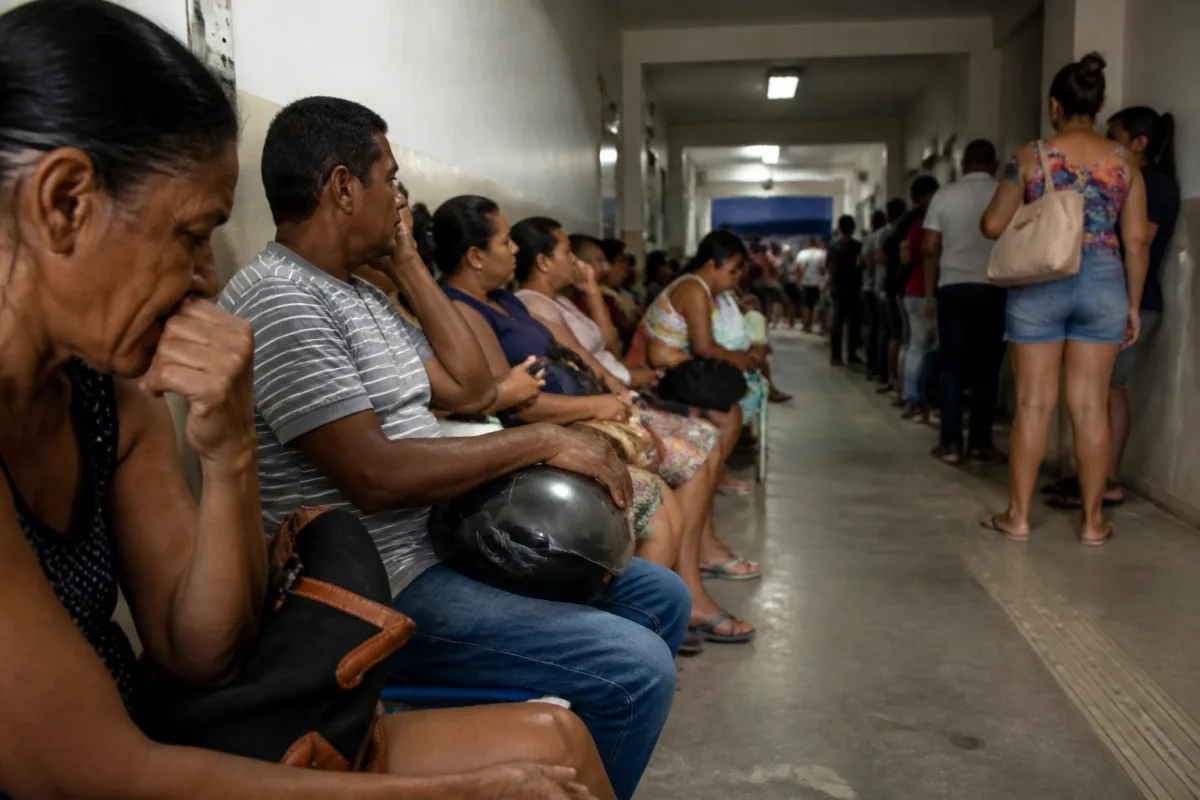
For applicants who moved with family, the real timeline is 4 years; for single applicants, around 6 years. The gap comes from Article 75 of Uruguay’s constitution.
Three flawed relocation paths, and why residency doesn’t guarantee a passport
Faced with the gap between advertising and real timelines, people typically pick one of three approaches — and all three lead to a dead end.
The first is to trust the marketing and relocate immediately, selling off assets back home. Euphoria holds for a while, then the hidden issues nobody mentioned start surfacing.
The second is to assemble the paperwork alone using a guide found on social media, to avoid paying a lawyer. The nuances turn out to outnumber anything covered in a guide, and the realization that this can’t be done without a lawyer arrives too late.
The third is to get residency and passively wait for the passport to show up on its own in 2-3 years. As a rule, that doesn’t happen: applications must be filed, background checks passed, exams taken, and integration demonstrated. If residency isn’t renewed on time — and plenty of people miss the deadlines — legal status is lost, and the person becomes undocumented.
If residency isn’t renewed on time — and plenty of people miss the deadlines — legal status is lost, and the person becomes undocumented.
Before relocating, it’s worth studying the real physical-presence requirement rather than trusting promises like “a passport in 2 years”: it matters to know exactly how many months per year need to be spent physically in the country for the time to count. Without being ready to move the whole family for 4-6 years, that country’s passport is out of reach.
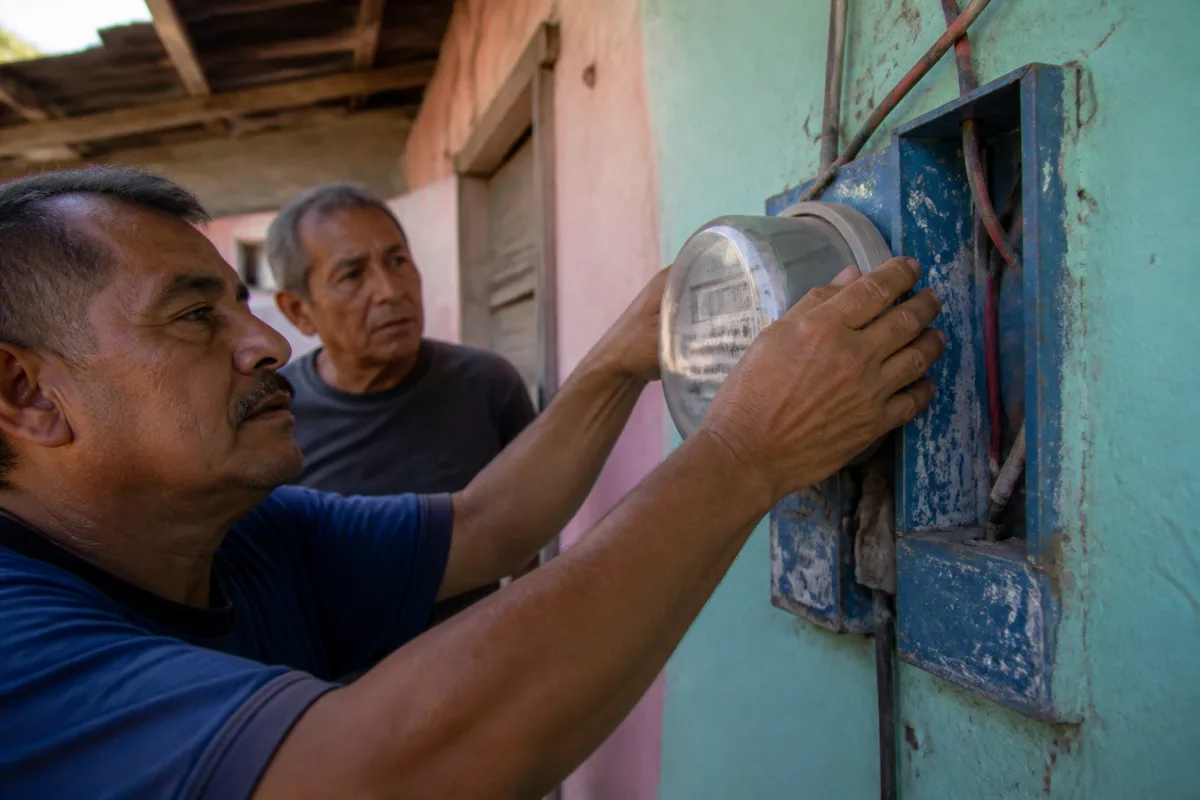
What agencies don’t mention: visas, taxes, and safety after the passport
A Latin American passport doesn’t open the door to Europe and the US. An Argentine passport gives visa-free access to roughly 170 countries, a Brazilian or Uruguayan one to about 150, a Paraguayan one to about 140. But a visa is still required for the Schengen area and the US — the only exception is for those who already hold residency in Europe.
A second point that goes unmentioned is resident taxation. Since 2024, Argentina has imposed a tax on residents’ worldwide assets of 0.51-1.25% a year. In Brazil, dividends are taxed at 15%. In Uruguay, the exemption for new residents on worldwide income applies only for the first 10 years, after which the full rate applies. Paraguay runs a territorial system where worldwide income isn’t taxed at all, but that only holds as long as you’re not running a business inside the country.
A third area — quality of life — isn’t something agencies consider their responsibility to explain. A threshold of 10 homicides per 100,000 people is generally treated as the line marking a high-risk zone for street crime and overall safety. In practice, most problems for people who relocate on their own trace back to trusting the marketing and trying to save money by skipping lawyers: six months after the move, they discover high crime rates, weak healthcare, and schools that don’t give their kids the education they need.
Visa-free access of Latin American passports
Even the region’s strongest passport won’t open Europe or the US without a visa.
- Argentina170 countries
- Brazil150 countries
- Uruguay150 countries
- Paraguay140 countries
A Latin American passport doesn’t grant visa-free entry to the Schengen area or the US. A visa is still required, unless you already hold residency in Europe.
Citizenship in four Latin American countries: timelines, visas, and taxes
Table scrolls sideways
| Criterion | Argentina | Brazil | Mexico | Uruguay |
|---|---|---|---|---|
| Real timeline to passport | 3.5-4.5 years | 5.5-6 years | 5-6 years | 4-6 years |
| Visa-free access | ~170 countries | ~150 countries | — | ~150 countries |
| Language exam | not specified | CELPE-Bras (Portuguese) | Spanish and history | Spanish, constitution basics |
| Tax note | worldwide assets tax 0.51-1.25% a year | dividends taxed at 15% | — | worldwide income exemption for 10 years only |
Figures reflect only facts mentioned in the article’s text.
Frequently asked questions
If I’ve already broken the continuous-residence requirement and the clock reset, do I have to start completely over?
Yes — once the absence limit is exceeded, the residency clock restarts from the point continuous residence resumes. Previously accumulated periods aren’t added together or restored retroactively. In practice, this means waiting out the full 2 years again without another absence-limit violation, which pushes the passport back by several more years.
Is there a country on this list where you don’t have to give up your current citizenship to get the new passport?
Giving up a first citizenship isn’t a required condition of naturalization in these countries — and that’s exactly what the ads promote as a selling point, and on that point they don’t contradict the law. The gap isn’t about dual citizenship at all; it’s about the real timeline: the law genuinely doesn’t require renunciation, but it stretches the process years beyond what the ads promise.
How is time counted if someone leaves the country multiple times over 2 years for work or study?
Every entry and exit is logged in immigration records, and the court adds up all days of absence over the qualifying period — what counts is the total time away, not the number of individual trips. As long as total absence stays under the set limit, the residency requirement isn’t interrupted. Before frequent work trips or study abroad, it’s worth estimating the total number of days you’ll spend outside the country across the whole period.
Does the territorial tax system, where worldwide income isn’t taxed, apply to all the countries covered here?
No — that regime is described for only one of the countries covered, and it stops applying as soon as the resident starts running a business inside the country. In every other case, residency comes with tax obligations on income or assets: Argentina taxes worldwide assets, Brazil taxes dividends, and Uruguay grants an exemption on worldwide income only for a limited period. Financial planning should be based on the specific country’s tax regime, not assumptions carried over from a neighboring one.



Comments
Reader experience is useful, but it is not advice: check the rules on the official site.
No account needed: click Sign in, type any name, and you are done.