
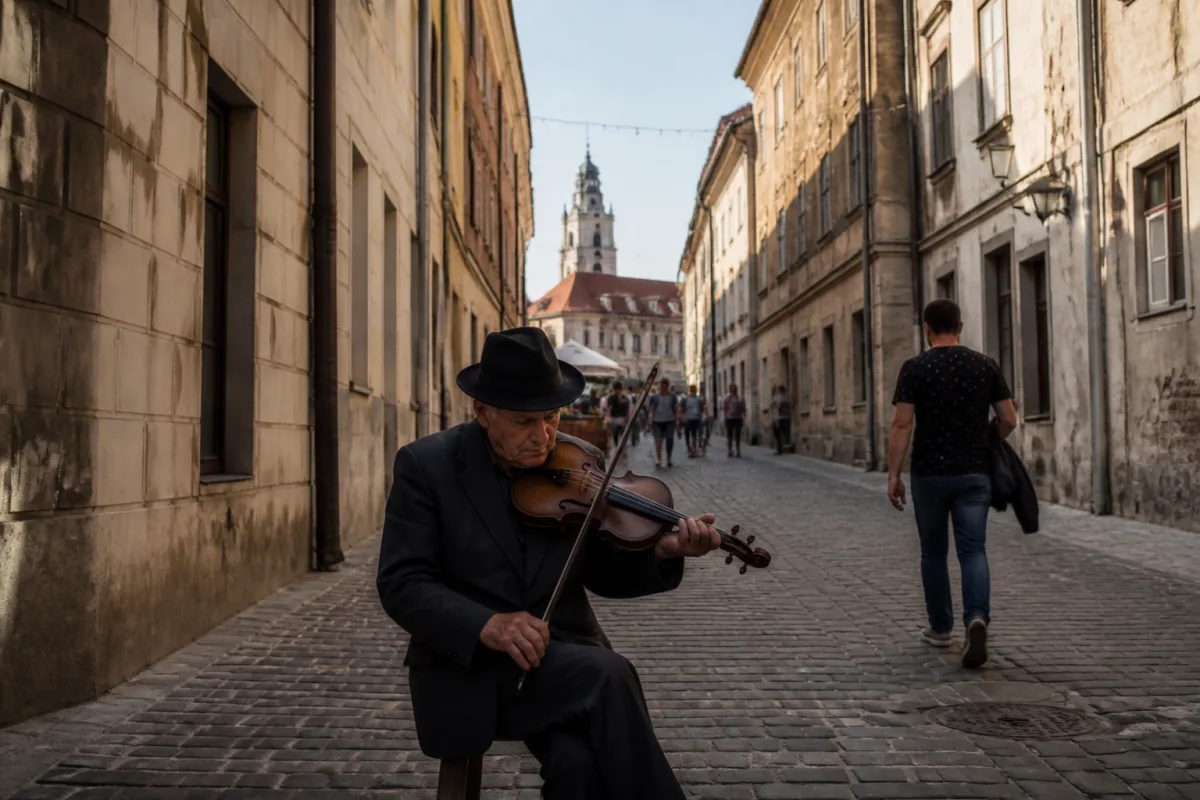

Romania allows those whose ancestors — parents, grandparents, great-grandparents, or great-great-grandparents — were connected to territories that formerly belonged to Romania and lost their citizenship not by their own fault to restore their citizenship. This means confirming a family connection to an ancestor who lived on Romanian territory between 1918 and 1940, not requiring years of residence in the country before submitting documents.
What the procedure is about
Restoring Romanian citizenship by descent is neither an investment program nor classical naturalization through long-term residence in the country. It is about restoring historical justice: Romanian law provides the possibility to return citizenship to those whose ancestors were Romanian citizens and lost that status not of their own accord.
The right to apply arises for people whose parents, grandparents, or great-grandparents were connected to territories that formerly belonged to Romania. Based on the principle of territorial connection, the program is relevant to many Ukrainian citizens, although each case requires separate legal analysis — the specific facts of family history and available documents are decisive.
The main difference from other procedures
Unlike standard citizenship procedures in many countries around the world, this program does not require years of residence in Romania before submitting documents. The basis is not long-term residence in the country, but confirmation of family connection to an ancestor who lived on Romanian territory between 1918 and 1940.
What needs to be documented
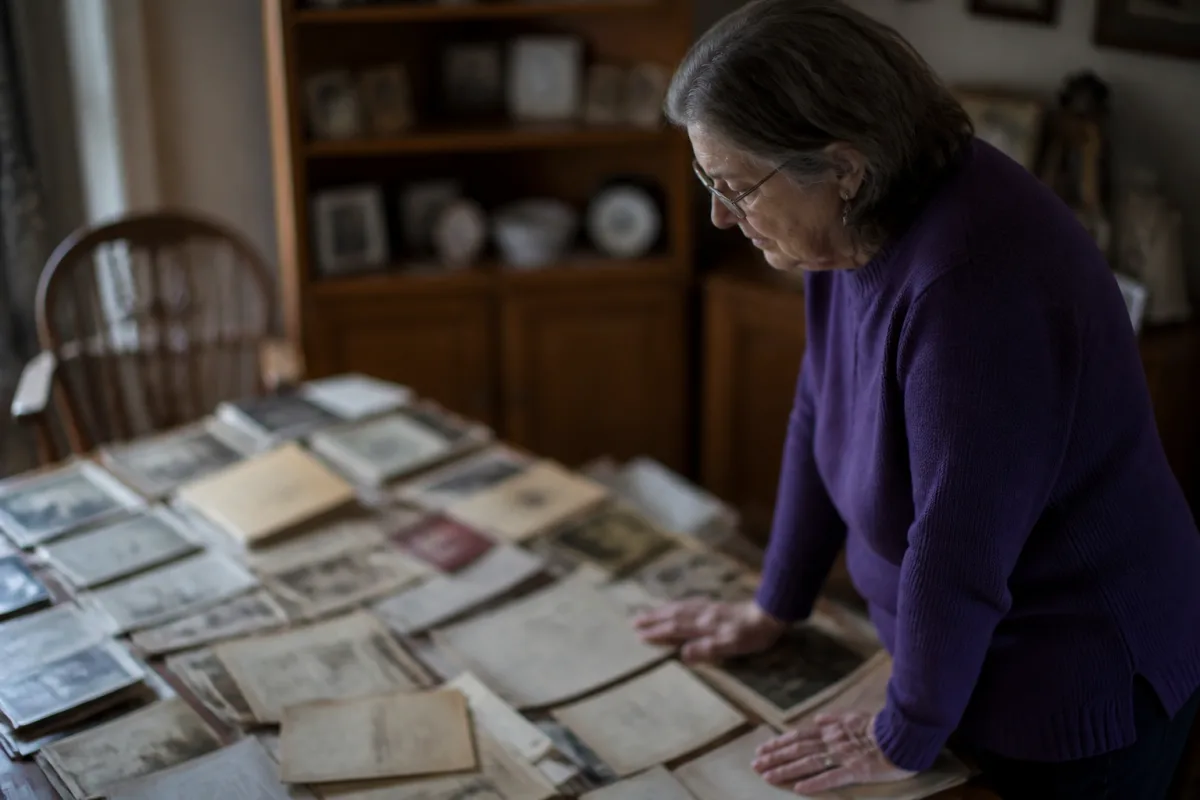
Knowledge of family history or stories from relatives alone are not grounds for citizenship. It is necessary to document the chain of kinship between the applicant and the ancestor. Finding, analyzing, and properly filing documents often become the most challenging part of the procedure.
A common misconception is that it is enough to find one ancestor from the required region, and citizenship is guaranteed. In reality, each case goes through review, and the right to citizenship must be confirmed with documents.

What Romanian citizenship provides
Upon completion of the procedure, a person becomes a citizen of Romania — a member state of the European Union. This opens opportunities for residence, employment, education, and business operations in European Union countries in accordance with EU law.

Comments
Reader experience is useful, but it is not advice: check the rules on the official site.
No account needed: click Sign in, type any name, and you are done.