
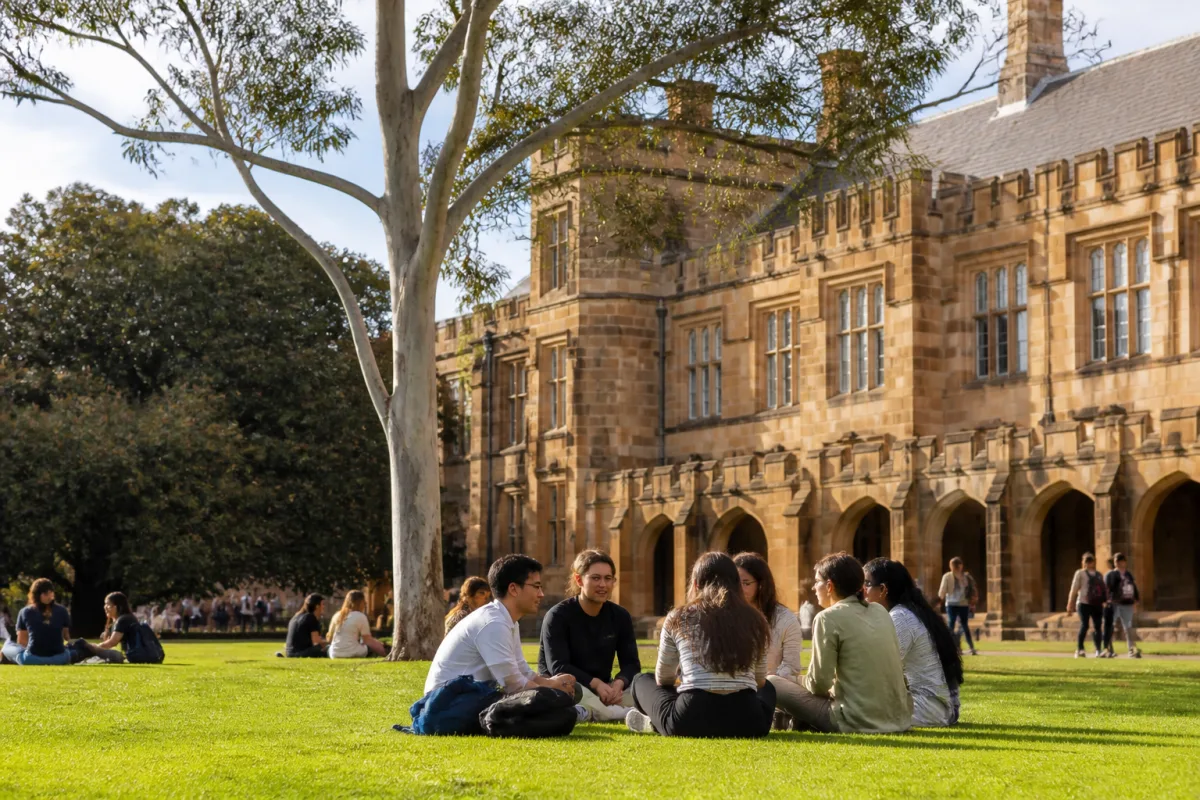

Immigrating to Australia through study comes down to choosing a course that sets your entire migration path from the start — but a diploma on its own does not guarantee immigrant status.
In short
- A diploma in Australia doesn’t automatically grant the right to PR — study and immigration are formally unrelated
- The field and institution need to be chosen to fit a migration path decided in advance, not the other way around
- After graduation, the main routes to status are the regional 491 visa and the employer-sponsored 186 visa
- A student visa buys time to look for an employer-sponsor in person, while physically in Australia
- A university’s ranking and a program’s high price guarantee neither teaching quality nor employment outcomes
Why Studying and Immigrating Are Not the Same Thing
Completing a course in Australia does not by itself grant immigrant status: a diploma and a move to permanent residency are two separate processes with no formal link between them. The Australian government is explicit about this: study and immigration are not bundled together, and there is no commitment that finishing a course automatically grants the right to stay.
there is no commitment that finishing a course automatically grants the right to stay
For study to actually work in your favour on the migration side, the field you choose needs to be decided before the course starts in Australia — not after, on the assumption that the diploma itself will open the door to status.
A diploma in Australia doesn’t automatically grant the right to stay. The field has to be chosen in advance, with a specific migration path in mind, rather than relying on the fact of the degree itself.
How Your Choice of Course Shapes Your Migration Path
Choosing a course is, at the same time, choosing a migration path: the specific field and institution determine which visa and career options will be open after graduation.
Before moving, it helps to already have basic knowledge in the field you plan to study in Australia. That doesn’t mean an engineer has to enrol in an engineering master’s — on the contrary, it’s worth considering adjacent directions: management, teaching, research programs. Deepening knowledge in a field you already know can be done without new formal education; broadening your profile is what study actually achieves.
When choosing a program, several factors matter:
- tuition cost — it directly determines how realistic the chosen path actually is;
- admission requirements at specific institutions — these need to be researched in advance, before applying;
- English language level — it will need to be raised to meet the requirements of the chosen program and institution.
The migration path is decided first, and only then is the program and institution chosen to fit it — not the other way around.
Preparing Before the Program Officially Starts
Going through the material of the first three or four lectures before the program officially begins helps a student enter the course without losing momentum. A future student sees in advance which subjects are coming and what baseline knowledge will be required — this removes the stop-and-restart effect of the first weeks of the semester.
This kind of advance preparation can be obtained as part of student support services: study guides and preparation materials are provided for programs of almost any level, up to and including research programs within a doctoral track.
Why an Expensive, Highly Ranked University Isn’t Automatically Worth It
Institutions with aggressive marketing are not known for high-quality education — their main advantage is that they pay high commissions to their agents. That’s precisely why such universities are actively promoted by agents rather than by their own students based on their actual experience.
their main advantage is that they pay high commissions to their agents
University rankings aren’t a reliable guide either: in most cases they’re purchased and don’t reflect the real quality of a program. A high price tag on its own says nothing about how useful an institution will actually be for a given student.
This can be checked in a practical way: compare the cost of the same program, for example an MBA, across several universities. The spread in price for comparable content shows how much of that price is driven by marketing rather than by teaching quality.
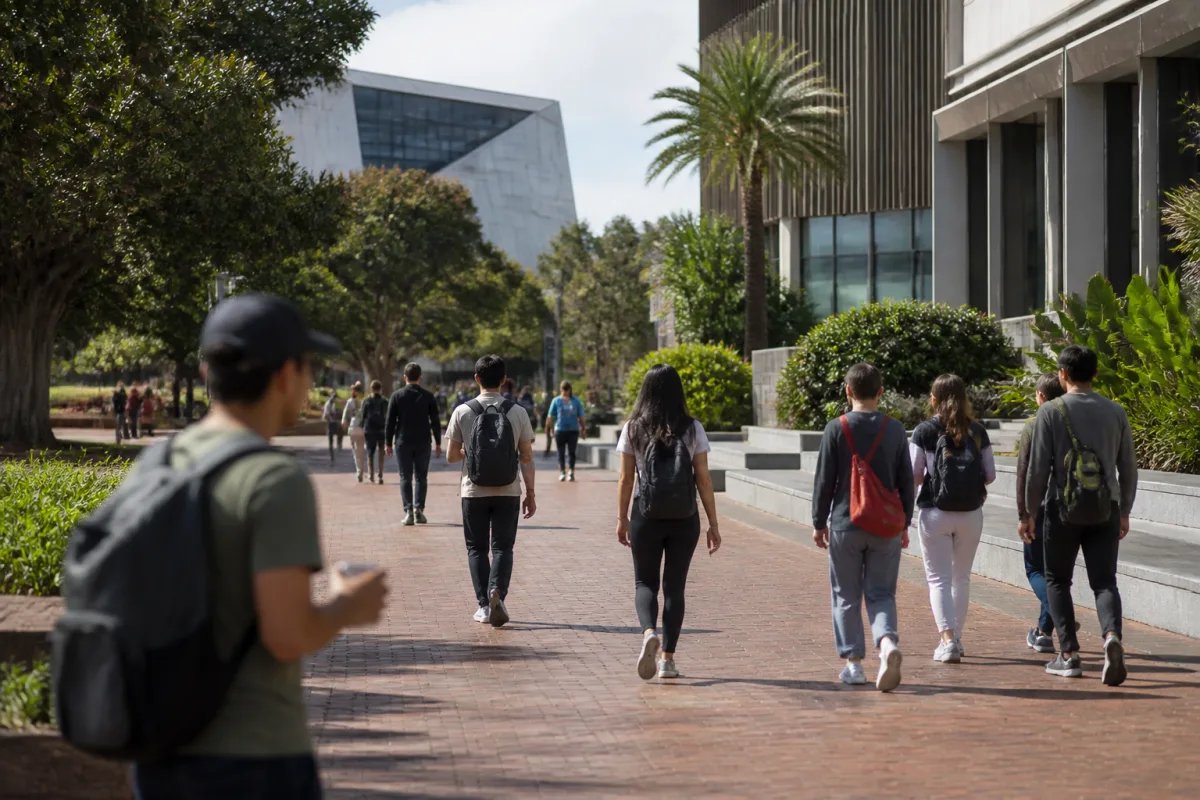
A high university ranking is often purchased, and expensive advertising is funded by students’ own money through agent commissions. Neither tells you anything about the quality of the program.
What a Local Degree Actually Gets You on the Job Market
The advantages of an Australian institution are built primarily for local students, not for international ones: a university’s reputation and its employer connections work mainly within the local market. For an international student, the university is first and foremost a source of revenue, and it’s worth looking at the whole experience soberly, without illusions of special treatment.
The real value of a local degree lies elsewhere: an Australian education produces a qualification adapted specifically to the Australian labour market. That doesn’t automatically make it the best in the world, but it does raise the odds of finding work after graduation — the degree alone doesn’t guarantee employment; a lot depends on the graduate’s own effort and qualities.
A separate advantage is the ability to work while studying. Part-time earnings can more than cover the cost of living and tuition, sometimes leaving a surplus. That’s why the total cost of a program shouldn’t be calculated from tuition and living costs alone — the ability to work part-time changes the final sum considerably.
The ability to legally work while studying can cover living and tuition costs — factor this in when calculating the real total cost of a program.
Which Visas Are Available After Graduation: 491, 186, and the Partner Visa
After graduation, the road to permanent status most often runs through the 491 and 186 visas — both tied to sponsorship, but of different kinds. The 491 is a regional visa: the sponsor here isn’t an employer but the region itself, which generally makes it more accessible, though it still comes with conditions — meeting a points threshold and matching an occupation on the list the region sets. The 186, by contrast, requires a specific employer to agree to sponsor the candidate — a more direct path, but also a more demanding one.
Time on a student visa works as a safety margin specifically for finding that sponsor. Being physically in Australia makes it possible to look into dozens of employers in your region in person, learn what they actually need, and find the right approach to each one — something that’s impossible to do while applying from abroad. So studying isn’t just attending classes; it runs in parallel with the search for a future sponsor.
studying isn’t just attending classes; it runs in parallel with the search for a future sponsor
Education remains the main route, though not the only one. A separate option is the partner visa: if a relationship forms with a partner during the time spent studying and living in the country, and that partner is willing to sponsor, it opens up another route to status.
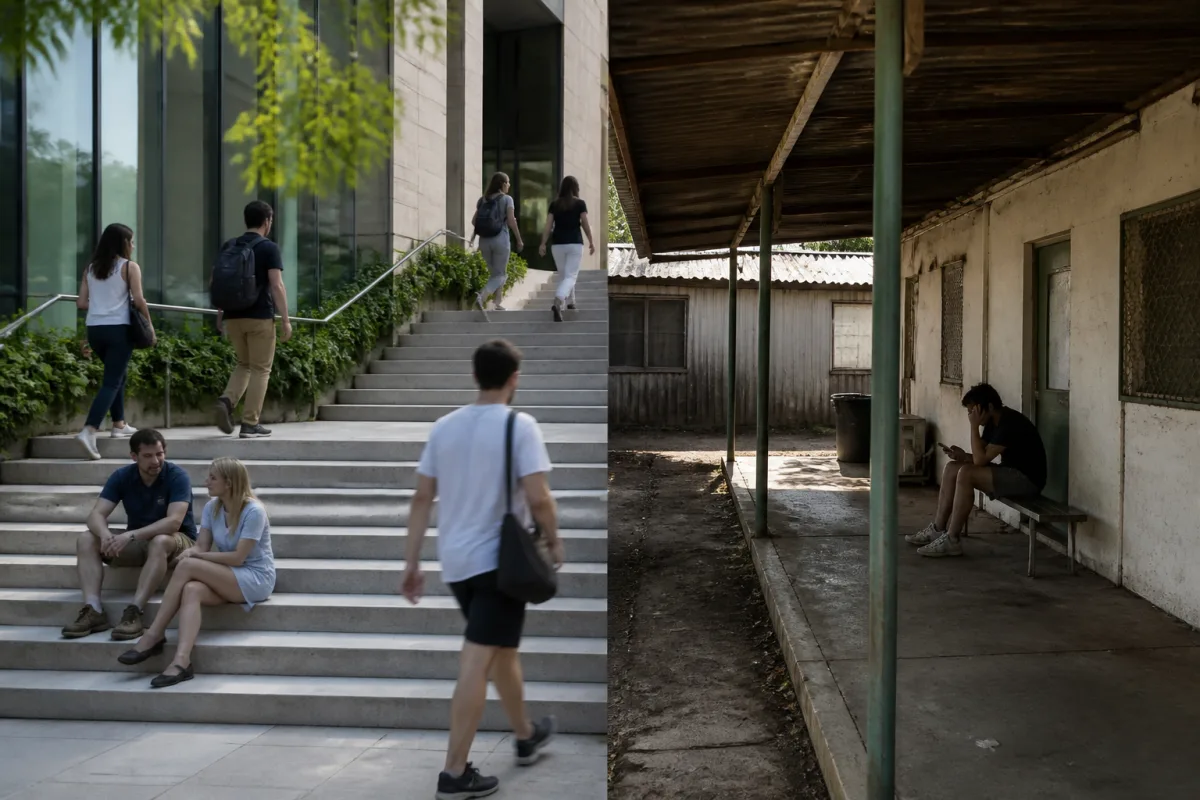
Visas After Graduation: 491 vs 186
| Criterion | Visa 491 | Visa 186 |
|---|---|---|
| Who sponsors | The region | A specific employer |
| Conditions | Points and the region’s occupation list | Employer’s agreement to sponsor |
| Accessibility | Generally more accessible | A more demanding path |
Both visas rely on sponsorship, but of a different kind — regional versus employer-based.
Is It Possible to Immigrate to Australia Without Studying
A path without study does exist — skills assessment followed by a visa application. But the risk of refusal on this route is considerably higher: an applicant has to match the points and occupation requirements precisely, and the money for the process has already been spent upfront.
The difference lies in the structure of the risk. If a student visa is refused, the loss is limited — the applicant simply doesn’t go study. If a skills-assessment-based visa is refused, both the time and the money already invested are lost, and refusal under that route is close to guaranteed if requirements aren’t met in full.
That’s why the study route is considered more predictable: a student visa buys time and opportunities to find a sponsor, while the alternative route with no tie to a study program doesn’t offer that same cushion.
A skills assessment without a study visa requires an exact match to points and occupation requirements, and the money for the process is spent upfront, before the outcome is known.
Frequently asked questions
What happens if a student visa holder doesn’t find an employer-sponsor for a 186 visa during their studies
In that case, other routes remain available: the 491 visa, where the sponsor is the region rather than a specific employer, and the partner visa, if a relationship has formed with a partner willing to sponsor. Time on a student visa is built in specifically as a margin for finding a sponsor, and if one route doesn’t work out, studying allows alternative options to be considered in parallel.
How much does studying in Australia cost once part-time work is factored in
There are no exact figures, but part-time earnings can more than cover the cost of living and tuition, sometimes leaving a surplus. That’s why the total cost of a program shouldn’t be calculated from tuition and living costs alone — the ability to work part-time significantly reduces the real financial burden compared with the nominal cost of the program.
What happens if money has already been spent on a skills assessment and the visa is refused
A refusal on this route means both the time and the money already invested are lost — that outcome is considered close to guaranteed if the qualification and points don’t fully meet the requirements. Unlike a student visa, where a refusal simply means the applicant doesn’t go study, the losses here are irreversible, which is what makes the study route more predictable.
Can permanent status in Australia be obtained without ever finding an employer or regional sponsor
Education remains the main route, though not the only one: a separate option is the partner visa, if a relationship has formed during the time spent studying and living in the country with a partner willing to sponsor. Without sponsorship through the 491, 186, or partner visa, the path to permanent status through these specific mechanisms doesn’t open up.



Comments
Reader experience is useful, but it is not advice: check the rules on the official site.
No account needed: click Sign in, type any name, and you are done.