
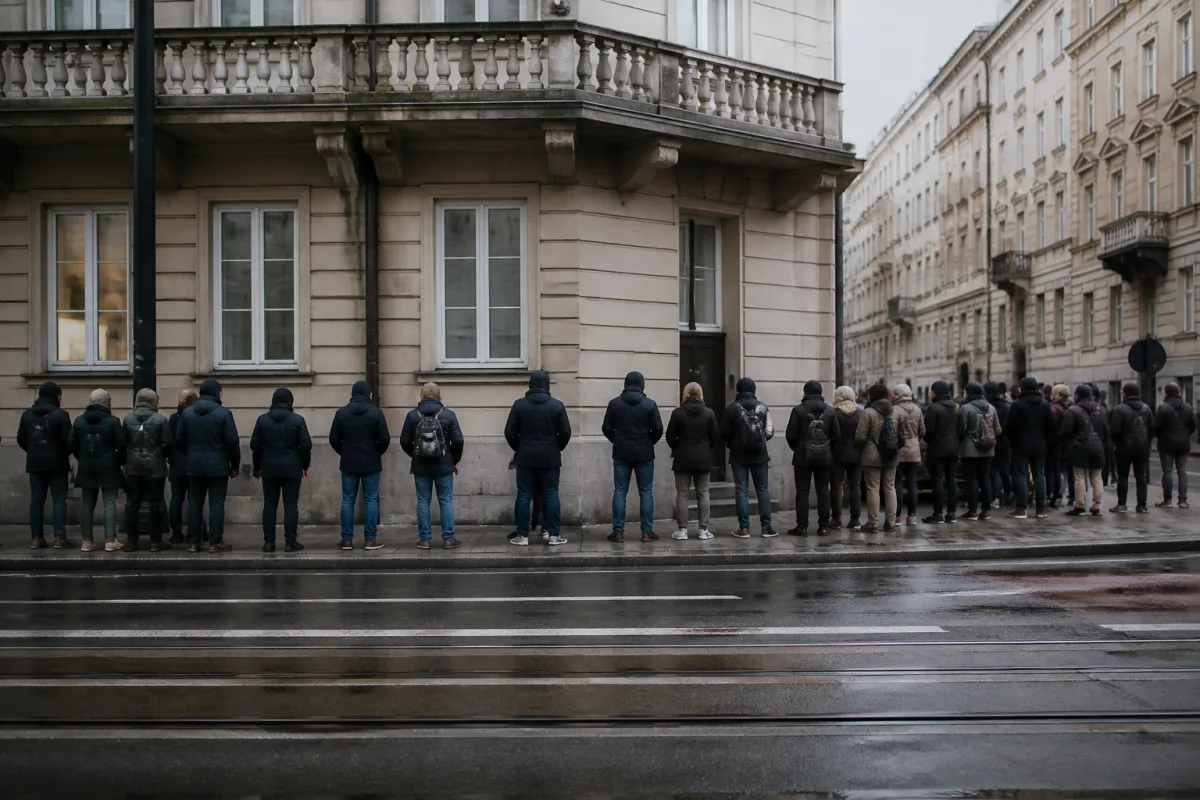

A US embassy interview lasts 2-3 minutes, and in that time the consul decides whether to issue the visa or refuse it. Under US law the consul first treats every applicant as a potential immigrant (Section 214), so the applicant’s task is to convince them otherwise: to show that the trip is short and that returning home is assured. Most refusals happen not because of documents, but because of poor answers to standard questions.
Trip purpose, duration and finances
The first and most important question is the purpose of the trip. The answer should be specific and take one or two sentences: for example, a plan to spend part of the time in one city and part in another, with concrete dates and tours booked in advance. Phrases like “I’ll see what’s there” or “I don’t know yet” sound like uncertainty and hurt the application.
The applicant should state exactly how long they plan to stay in the US, and the number of days must match the form. A reasonable period is about 2-3 weeks, with specific entry and exit dates and a reason for returning, such as going back to work.
As for who pays for the trip: it is ideal if the applicant pays personally, from their own savings, and names an approximate amount of expenses. If someone else is paying, it is worth briefly explaining who it is and why.
Relatives in the US, work and income
Questions about acquaintances or relatives in the US are among those where people most often make mistakes out of fear and an attempt to hide information. The consul can check this in databases, especially regarding first-degree relatives. The right tactic is to tell the truth, but to emphasize that the purpose of the trip is different and accommodation is planned in a hotel, not with relatives.
About work, it is worth speaking in detail: name the position and the company, and explain the essence of the duties in simple words, since the consul does not know Ukrainian realities. Instead of “I am a manager”, a specific description is better: what the position is, how many subordinates there are, what functions are performed.
About length of employment and income, answer with figures without hesitation. The amount of earnings must match the DS-160 form and the employment letter; it is fine to state it in dollars, which makes it easier for the consul to assess.
Ties to Ukraine and travel history
The question “what keeps you in Ukraine” may come up directly or between the lines. It is worth listing two or three real ties: a permanent job, family, children who are studying, a recent renovation of the apartment, elderly parents. For sole proprietors or business owners, it is important to say how many years the business has operated and how many people work in it.
History of previous trips is a plus, because it shows that the person travels and returns. It is worth naming two or three countries, especially in the EU, the UK or Canada, if there were such trips. If there were no foreign trips, it is enough to say so honestly and move on to the next topic without creating an awkward pause.
Marital status and previous refusals
Questions about marriage and children require exact consistency with the form: children’s dates of birth and their status (for example, attending school) must match the DS-160 without confusion.
A question about a previous visa refusal is one of the most important. A refusal must not be concealed: that is a direct path to another refusal. The right answer is to honestly confirm the fact and explain what has changed since then, for example, more stable work or new trips to the EU.
Where to apply and how much it costs
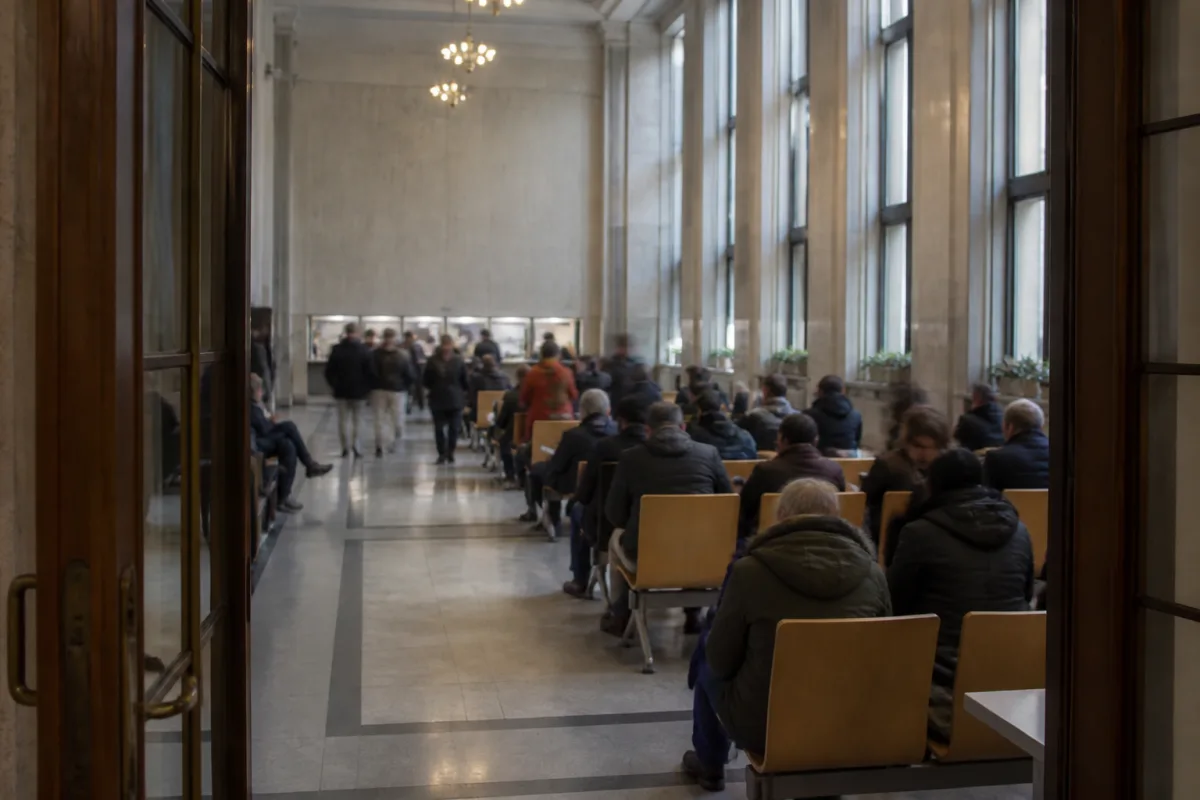
The US Embassy in Kyiv currently does not process visas for Ukrainians, so the interview takes place in Poland — in Warsaw or Krakow. Slots are limited, so it is worth booking in advance. The consular fee for a B1/B2 visa is currently 185 dollars.
Before the interview, it is worth re-reading your own DS-160 form: every answer must match it. Answer briefly, in one or two sentences, without memorizing the text word for word — memorized answers sound unnatural. Show documents only when the consul asks for them, but have with you those that confirm what you say.

Comments
Reader experience is useful, but it is not advice: check the rules on the official site.
No account needed: click Sign in, type any name, and you are done.