
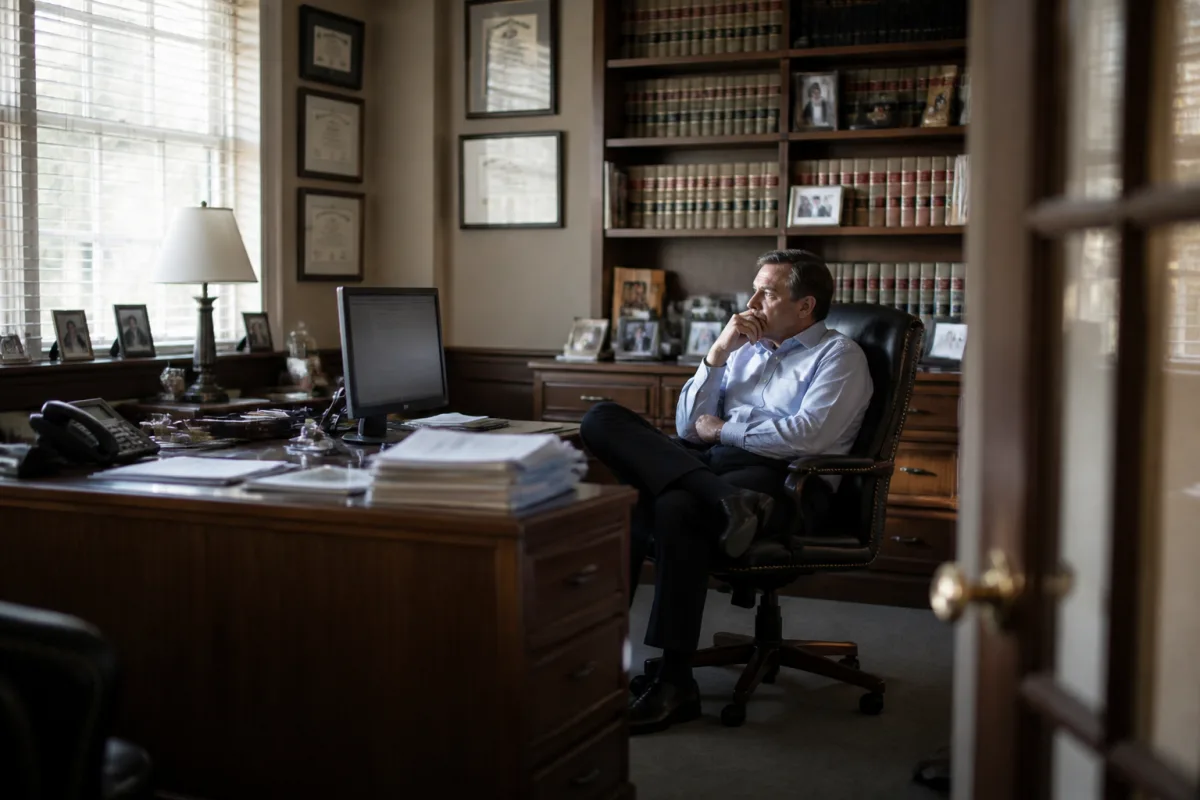

Before accepting deportation from the United States, a case should go through five verification steps — from a full immigration history to screening for humanitarian forms of protection — and that is exactly how a removal defense lawyer builds a case.
In short
- A notice to appear without a listed hearing date and time can be grounds for cancellation of removal.
- US-born children can support a parent’s cancellation of removal case through exceptional and unusual hardship.
- A U visa is available to indirect victims of crime, not only those harmed directly.
- Errors by a previous lawyer or by a fraud posing as one can sometimes be corrected through a motion to reopen or an appeal.
- A reserved decision at a hearing doesn’t mean approval — it only means there was no immediate denial.
Step 1. The client’s full immigration history
The first step in reviewing a removal case is checking the client’s complete immigration history in the United States. The lawyer finds out the date of entry and everything that happened afterward, whether any applications were filed, and how they were resolved. Clients themselves often don’t remember the exact dates or outcomes of applications they filed.
To reconstruct the full picture, case file copies are requested from several agencies at once:
- USCIS;
- EOIR and the immigration court;
- the State Department;
- CBP (Customs and Border Protection).
The documents received are reviewed to find filing errors and findings that USCIS or the court has already made in the client’s case. Those findings and errors can become grounds that help win the case.
The lawyer requests case file copies from USCIS, EOIR and the court, the State Department, and CBP to find errors and findings that can already be used as grounds for defense.
Which case file copies are requested to reconstruct the history
Step 2. Agency errors and grounds for cancellation of removal
The next step is checking the documents for errors made by USCIS or the immigration court when filing or processing them. If certain violations are found in how the agency handled the case, that can work in the applicant’s favor.
One of the key points is the notice to appear. If it doesn’t list the date and time of the hearing at the bottom, that can be grounds for cancellation of removal.
If it doesn’t list the date and time of the hearing at the bottom, that can be grounds for cancellation of removal.
Prior filing history is also taken into account: if a green card application was already denied because the marriage fell apart, that fact is factored in when a new application is filed — for example, when the sponsor is now an adult child.
The method of entry into the country is examined separately: on the person’s own documents or on someone else’s, using the identity of a US citizen or a citizen of another country. This directly affects which status can even be obtained.
The prosecution’s tactics at the hearing also matter: the prosecutor is entitled to hold back some evidence until the end of the process if it will only be used to cast doubt on the applicant’s testimony.
If the notice to appear doesn’t list the date and time of the hearing, that can be grounds for cancellation of removal — this document is worth checking first.
Step 3. Family ties and criminal history
The third step is checking the client’s criminal history: any arrests, charges, or convictions matter for the immigration case. It’s also determined separately whether a criminal case was expunged or reopened — this directly affects the assessment of the case’s prospects.
At the same time, the lawyer reviews the client’s family history and ties. What matters is children in the US under 21, if they are citizens or green card holders, as well as parents and spouses — these ties are taken into account when applying for cancellation of removal, when filing waivers, and in some cases under VAWA (the Violence Against Women Act).
The quality of the relationship with a partner is also checked, even if the marriage was never officially registered. If the relationship was abusive, that can be grounds for VAWA or a U visa, depending on the circumstances; T status is considered separately and requires elements of human trafficking, not just an abusive relationship.
Arrests, charges, and convictions are always factored into the case, even if it was expunged or reopened.
Step 4. Errors by a previous representative and reopening the case
The fourth step is checking who handled the case before: a real lawyer or someone posing as one. If the previous representative turns out to have been a fraud and that harmed the case, the consequences can sometimes be corrected. The same applies when the lawyer was real but made mistakes in the handling of the case.
If USCIS already issued a denial in the case, it’s reviewed in detail: how well-grounded the denial was, how much time has passed since it was issued, and exactly what the applicant was accused of. These details determine which procedural path applies — refiling the case, a motion to reopen, or an appeal.
If a lot of time has passed since the denial, the lawyer assesses which procedural path is still available — this requires a separate review of the specific case. For immigration court denials, it’s also taken into account whether an appeal was filed and to which bodies, as well as the quality of the previous lawyer’s work — all these factors help determine whether there’s an opening for a new case.

If the previous representative turns out to have been a fraud or made mistakes, that could have harmed the case — such consequences can sometimes be corrected.
Step 5. Screening for humanitarian status: U visa, VAWA, T status
The fifth step is checking eligibility for humanitarian protection: U visa, VAWA, and T status. These statuses are considered separately from the main removal case, and applicants often have no idea they might qualify for them.
- U visa — for indirect victims of crime: a person doesn’t have to have been harmed directly; being an indirect victim is enough to consider eligibility for this visa.
- T status — a status for victims of human trafficking, including those who faced serious labor law violations in a US workplace.
- VAWA is included in the same screening as another type of humanitarian protection alongside the U visa and T status.
This information directly affects whether a change of status in the US is possible.
Humanitarian statuses: U visa, T status, VAWA
Table scrolls sideways
| Criterion | U visa | T status | VAWA |
|---|---|---|---|
| Who it’s for | Victims of crime, including indirect victims | Victims of human trafficking, including labor law violations | Victims of abuse by a partner or family member |
| Direct harm required | No, being an indirect victim is enough | Elements of trafficking are required | An abusive relationship is required |
| Considered | Separately from the removal case | Separately from the removal case | Separately from the removal case |
All three statuses are checked within a single humanitarian protection screening.
A case from practice: how an almost hopeless case avoided denial
A married couple came to the office about a year ago: both were already in immigration court proceedings in a removal case. The previous lawyer had handled their case for several years but had put together only about 50 pages of materials, including the form itself, for cancellation of removal — with that little documentation, winning a case like this is practically impossible.
had put together only about 50 pages of materials, including the form itself, for cancellation of removal — with that little documentation, winning a case like this is practically impossible
The new team reviewed the grounds for cancellation of removal and concluded that the case, as it stood, was weak. The argument had to be rebuilt from the ground up: proving that the couple’s US-born children would face exceptional and unusual hardship if their parents were removed — although the children had no serious medical diagnoses, documented emotional distress and school problems were recorded. A separate complication was that both parents were requesting the same type of relief at the same time. The earlier filing also lacked evidence that the spouses were persons of good moral character.
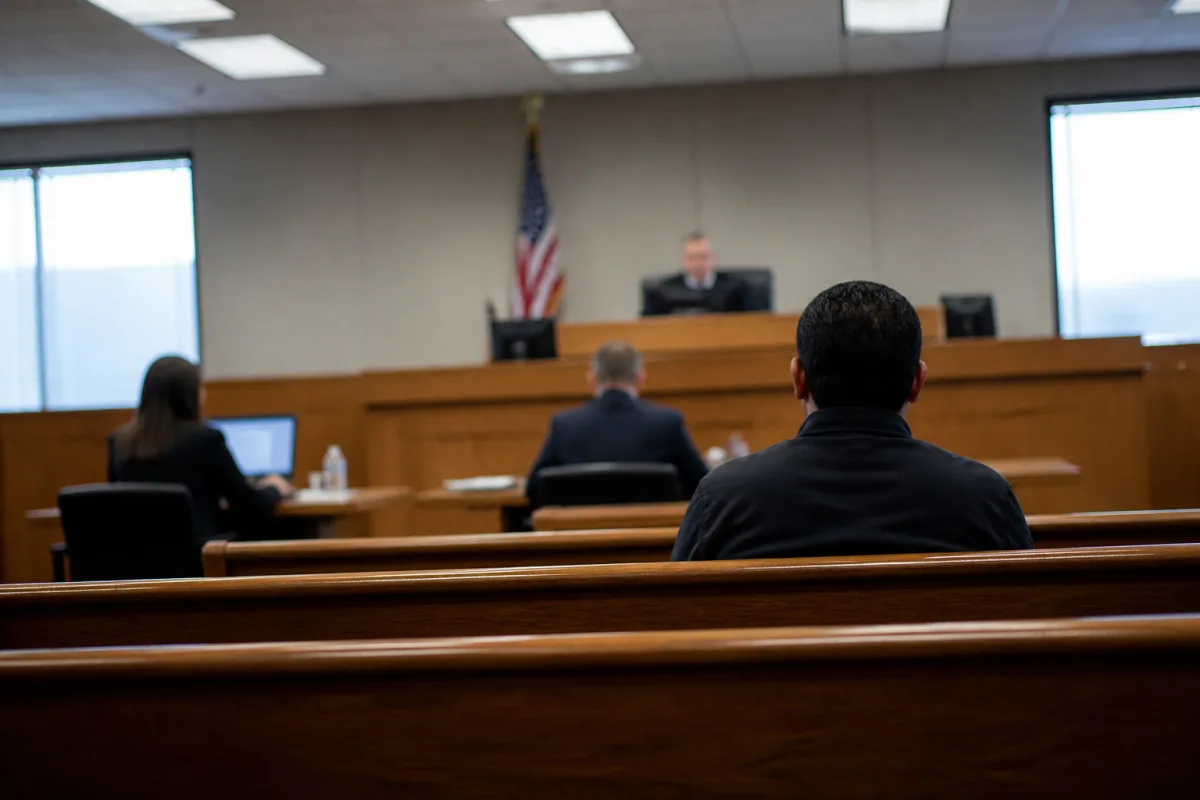
The hearing took place last month. The decision was not a denial. The judge, initially skeptical, appeared to have changed her position by the end of the proceeding.

What “decision reserved” means at a removal hearing
At a cancellation of removal hearing, same-day approval isn’t issued in practice — the judge either announces a denial right away or postpones the decision. The only two outcomes considered a good sign are “decision reserved” or the judge saying they are inclined to approve the case. Both mean that no final decision will be announced in the courtroom that day.
the judge either announces a denial right away or postpones the decision
If the judge intends to deny the case, the decision is announced immediately at the hearing — no one waits or delays it in that scenario. But if the judge is still weighing the case or leaning toward approval, they reserve the decision and announce it later. So the phrase “decision reserved” at the end of a hearing is, above all, a signal that no decision has been made yet and the judge doesn’t intend to deny immediately; it shouldn’t be read as a forecast of a positive outcome.
“Decision reserved” only means the judge hasn’t decided yet and doesn’t intend to deny immediately — it’s not a guarantee of approval.
Frequently asked questions
Can you reapply for cancellation of removal if the case was already lost with another lawyer?
Yes, the case can be reviewed from scratch even if the previous lawyer put together a weak package of documents. A new team can rebuild the argument — finding hardships for US citizen children that weren’t considered before, gathering evidence of good moral character, and rebuilding the grounds for cancellation of removal almost from zero.
How much time do you have to appeal after a USCIS denial?
No specific deadline is given: how much time has passed since the denial is one of the factors the lawyer evaluates separately for each case, in order to determine which procedural path is still available — refiling, a motion to reopen, or an appeal.
What happens if the judge at a removal hearing seems skeptical?
The judge’s attitude at the start of the proceeding doesn’t determine the outcome: their position can change by the end of the hearing as evidence is presented. Skepticism alone doesn’t mean the case is lost — what matters is the final verdict or its postponement.
Can you qualify for humanitarian status if the marriage to a partner was never officially registered?
Yes, the quality of the relationship is checked even without an officially registered marriage. If the relationship was abusive, that can be grounds for VAWA or a U visa depending on the specific circumstances; for T status, an abusive relationship alone isn’t enough — elements of trafficking are required.
What happens to a case if a fake lawyer previously ruined the documents?
Such consequences can sometimes be corrected: this is a separate ground for reopening the case alongside errors by a real representative. The fact of having worked with a fraud posing as a lawyer is taken into account when reviewing the case’s prior history.
Does the method of entry into the US matter if it was on someone else’s documents?
Yes, the method of entry — on the person’s own documents or someone else’s, using the identity of a US citizen or a citizen of another country — directly affects which status can even be obtained based on the case review.
Comments
Reader experience is useful, but it is not advice: check the rules on the official site.
No account needed: click Sign in, type any name, and you are done.