


Germany’s Foreign Minister Annalena Baerbock’s statement about sharing databases with Ukraine’s TCC doesn’t mean forced deportations — there are no legal mechanisms for this in Europe. Meanwhile, in Poland, where farmers protested against Ukrainian grain for years, foreign capital is already controlling nearly half of the country’s agricultural land through shell schemes.
What Germany actually said
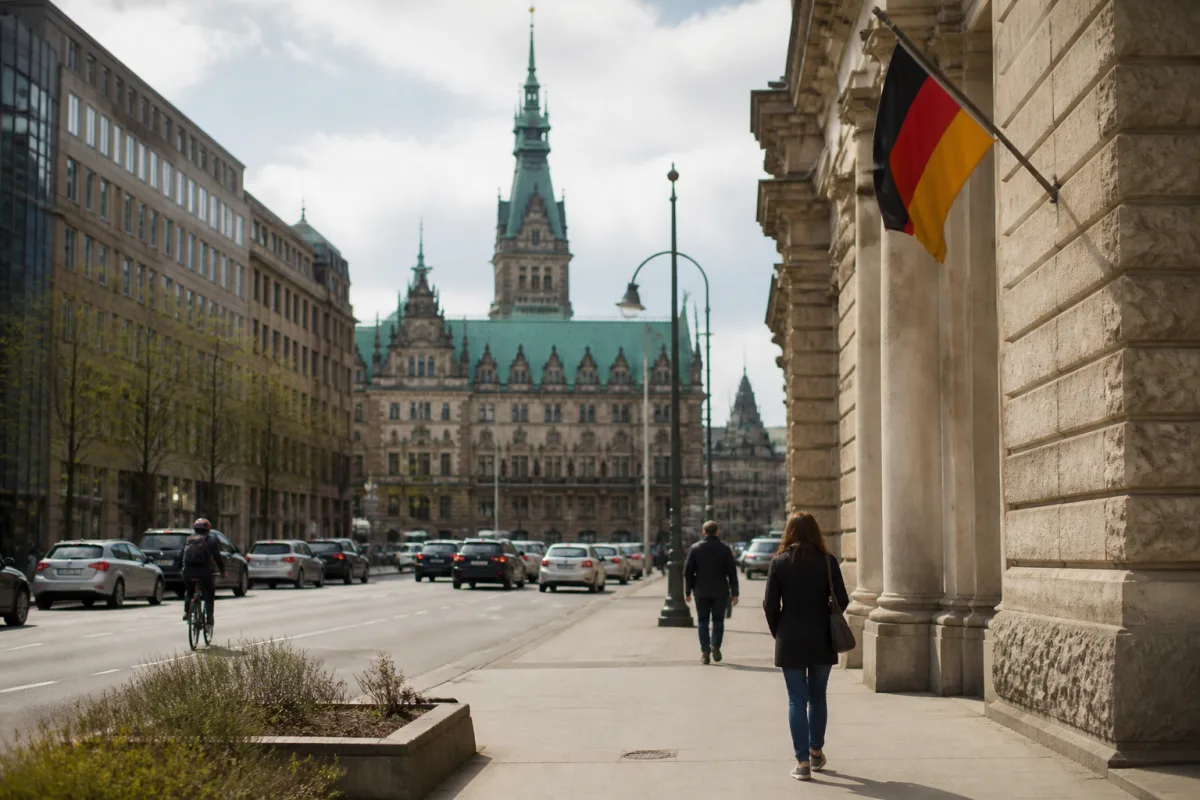
Germany’s Foreign Minister Annalena Baerbock said that Ukrainians of draft age must return home and defend their country. He also announced that German authorities are ready to assist Ukraine’s TCC and share databases — information about who is registered where, who has resident status under paragraph 24, who receives social benefits.
Germany has already cancelled automatic provision of paragraph 24 status: now you need a legal exit stamp in your passport from Ukraine and current registry data, otherwise you won’t get the status at all.
No one is planning forced deportations — there are no legal mechanisms for this in European law. Politicians’ loud statements are an internal German game for public consumption, especially ahead of regional elections. But without legal status, surviving in Germany and obtaining paragraph 24 status is now significantly harder.
How much does land cost in Poland and why farmers can’t buy it
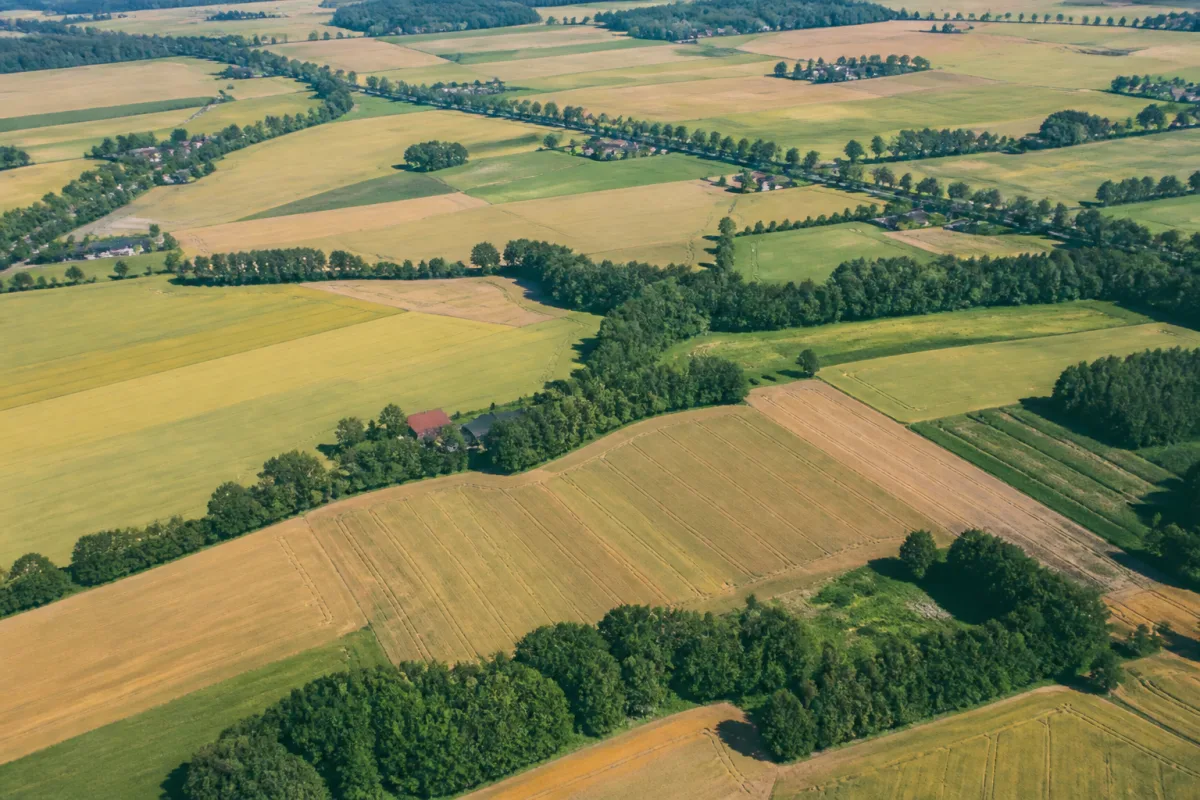
Poland has approximately 14.4 million hectares of agricultural land — one of the largest areas in Central Europe. Land prices have tripled in recent years: if a hectare cost around 30,000 zloty in 2010, by 2026 the price jumped to 90,000 zloty, and in western regions prices are even higher.
With such prices, an ordinary Polish farmer can no longer afford to buy land. In 2025, a record 65,000 hectares were leased — 50% more than a year earlier. A small farmer, burdened by debt, cannot afford to buy additional plots or keep the old one — he has to rent it.
How foreigners circumvent the land purchase ban
Polish law directly prohibits foreigners from buying land — this protects domestic producers. But large foreign capital found a simple way around this ban: investors find local Poles, pay them money, and those Poles buy the land in their names, after which actual ownership passes to foreign companies through registering a limited liability company or buying a stake in an existing Polish company that already owns land. No permit from Poland’s Ministry of Internal Affairs is required for such schemes.
According to official statistics from Poland’s relevant report, the share of land and forest plots that passed to foreigners through such schemes grew from 11% in 2015 to 39% in 2023, and by 2026 this percentage became even higher. Foreigners through shell companies already control nearly half of Polish land.

Who is really buying Polish land
Land today is being purchased by three categories of buyers. Large Polish agricultural holdings are simply absorbing the market: the number of farms larger than 100 hectares increased by 8%, while the number of small farmers is catastrophically declining. Foreign investment funds — primarily Dutch, Danish, Luxembourg, and British money — are also actively entering Poland’s land market. The third category is local developers who buy land near cities.
The average debt of a Polish farmer is currently around 68,000 zloty. When credit pressure mounts, he sells land to an agricultural holding or fund to cover debts, and then remains working on the same land as a hired worker or tenant — and rental prices increase every year.
Throughout all the protests on the Polish-Ukrainian border, no major strike in Poland was aimed at foreign funds or oligarchs buying up the country from within. Land changed hands not because of Ukraine, but because of Polish farmers’ own debts.
Comments
Reader experience is useful, but it is not advice: check the rules on the official site.
No account needed: click Sign in, type any name, and you are done.