
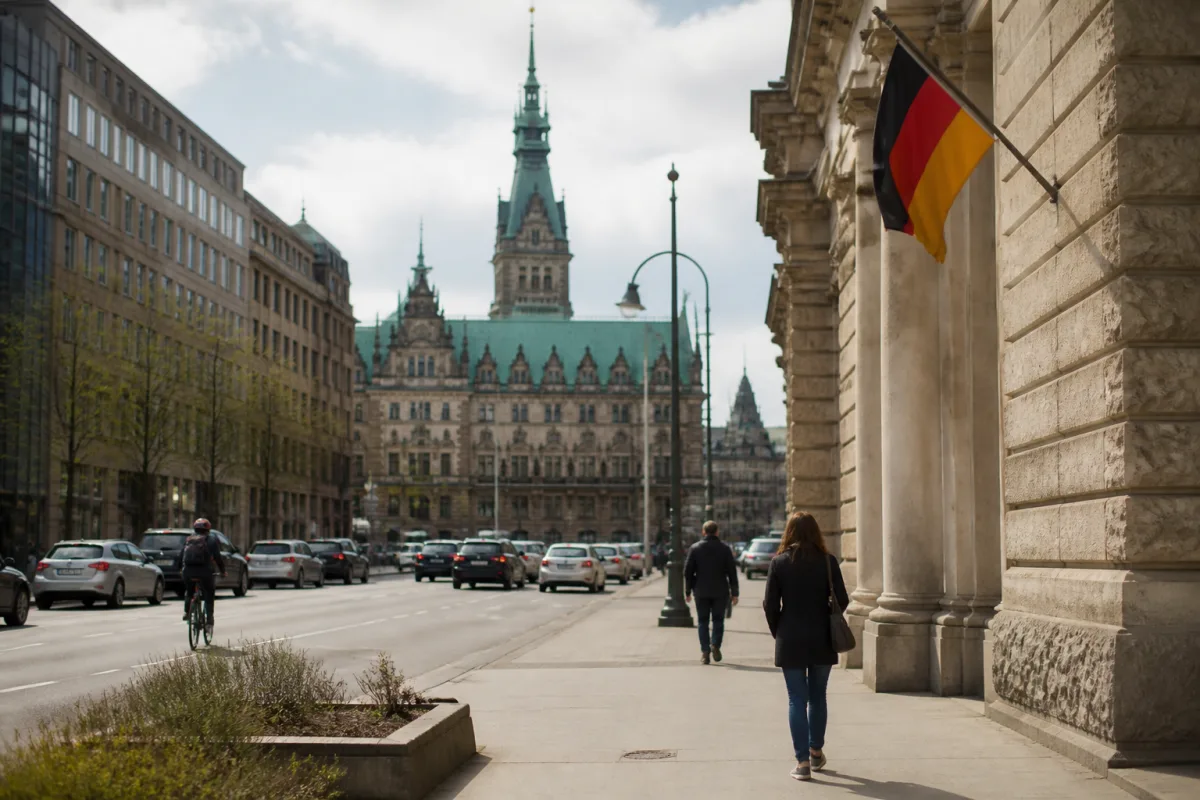

Germany’s Federal Office for Migration and Refugees (BAMF) is sending Syrians with granted refugee status administrative decisions revoking it — these are not informational letters offering voluntary return, but official documents spanning 16 pages. Along with the refugee status, subsidiary protection is also being denied, and no grounds for banning deportation are being found. According to available data, approximately 8,000 such decisions are currently being issued.
What exactly is BAMF revoking
The issued decisions contain three key conclusions: refugee status is being revoked, subsidiary protection is being denied, and no grounds for banning deportation under the German law on foreign residence have been established. This means the person loses protection and can be subject to deportation procedures — unless they have another, modified legal status.
What arguments does BAMF use to justify the decision
The basis cited is the changed circumstances in Syria following the fall of Bashar al-Assad’s regime in late 2024. The office analyzes the security situation, risks to life, the scale of returns, and humanitarian conditions in the country.
From published excerpts of the decisions, the following assessment details are known: the risk of death for a person returning is 0.017%; estimated monthly expenses for a family of five outside Damascus — 554 euros. BAMF acknowledges shortages of goods, electricity supply problems, high cost of living, and housing shortage in Syria, but concludes there is no general existential emergency situation that would itself make return impossible.
Who might be affected
It remains unclear whether this practice applies to all approximately 900,000 Syrian refugees in Germany or only to some cases. According to available data from German media, approximately 8,000 decisions revoking protection for Syrian citizens are being issued. It is also unclear whether this is linked to political pressure amid growing demands from the AfD party on migration policy, or whether it represents a consistent change in the approach to refugees.
Does this affect Ukrainians
BAMF’s approach to assessing security in Syria is noteworthy also because it shows the logic by which Germany might later assess the safety of return for Ukrainians. However, there is no direct comparison: the temporary protection for Ukrainians has a set end date — 4 March 2028, whereas Syrian refugees had no such date and continued to live in Germany indefinitely. How exactly Germany will approach the question of returning Ukrainian displaced persons in the future remains unclear.

Comments
Reader experience is useful, but it is not advice: check the rules on the official site.
No account needed: click Sign in, type any name, and you are done.