
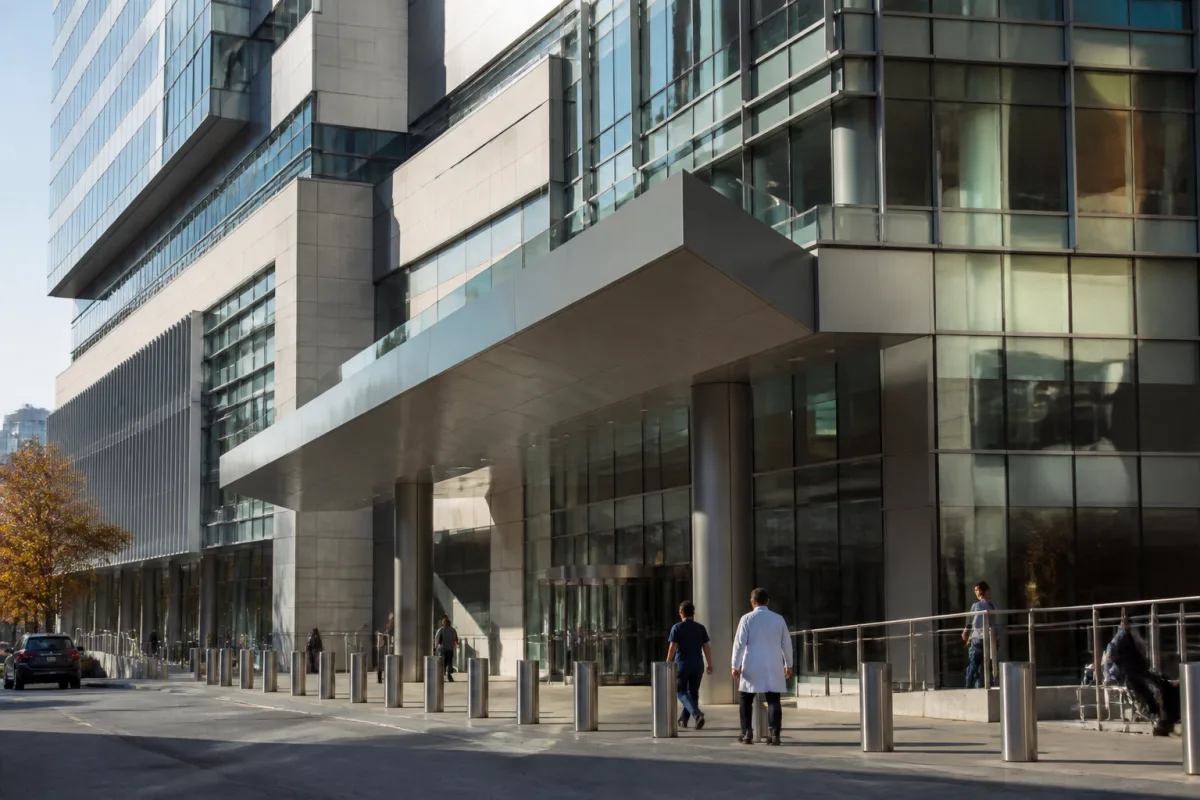

The J-1 visa is required for foreign physicians to complete residency and postdoctoral programs in the US. To obtain it, you need an ECFMG certificate, a passed USMLE, a statement of need from the health ministry of your home country, and a contract with an accredited US hospital or clinic.
Main Requirements for the J-1 Visa
A foreign physician must hold a valid Educational Commission for Foreign Medical Graduates (ECFMG) certificate. A passing score on the United States Medical Licensing Examination (USMLE) is also required.
A signed contract for a position in an accredited residency program or a postdoctoral fellowship at a US hospital or clinic is mandatory.
The foreign health ministry must issue an official statement of need. This document confirms that the physician’s home country needs specialists with specific skills. The letter is tied to the so-called 212 rule, which requires returning to one’s home country and working there for at least two years in a hospital or clinic.
Form DS-156 and Information for the Visa Officer
You must complete and submit Form DS-156 from the State Department. The visa officer will verify several key details in the application.
The form requires the program sponsor (the hospital or clinic where you will work), a description of the program, and the exact start and end dates of the residency. The salary you will receive must also be specified. The visa officer will discuss all these details with you during the interview.
Observerships Before J-1
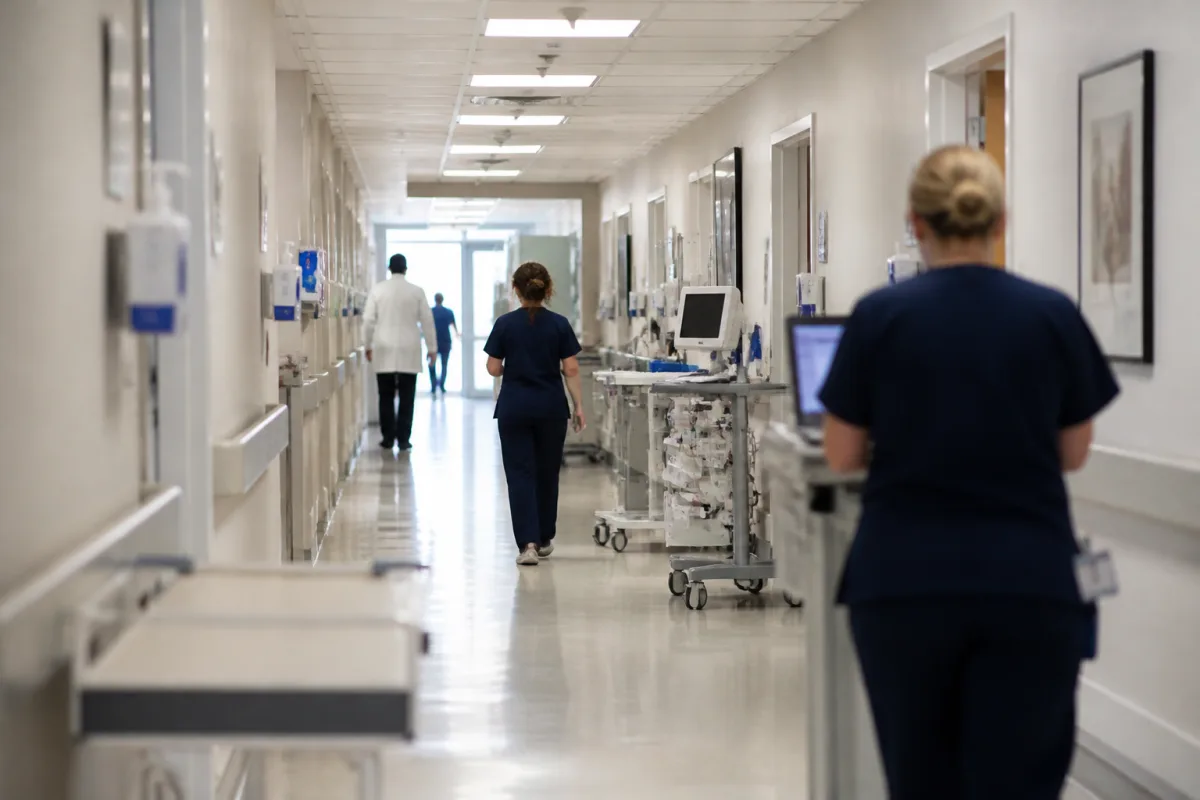
Observerships are programs where foreign physicians observe the work of a licensed doctor at a US hospital or clinic. This activity is unpaid and strictly limited: the physician may only watch and listen. Touching patients, writing medical records, giving treatment recommendations, or offering medical advice is prohibited.
The physician is assigned to a specific US doctor and must remain with the assigned mentor. The program does not grant academic credits. Observerships usually last from two weeks to a month. Foreign physicians often visit two or three different hospitals and clinics during a single trip to the US.
B1/B2 Visa for Observerships
A B1/B2 tourist visa is used to participate in an observership program. When completing Form DS-160, you should clearly state that the purpose of the trip is an observership and indicate the expected length of stay.
If you already hold an approved B1/B2 visa (for example, for visiting family, a graduation, or tourism), you can use the same visa for an observership. However, during the interview, be prepared to explain to the visa officer this scenario—how your purpose of stay changed after the visa was issued.
Extending Your Stay in the US
Often a physician receives an invitation for an observership at one hospital for a month but, during the stay, receives offers from two or three other institutions. In such cases, the stay in the US exceeds the originally stated month.
Such an extension is possible, but you must be prepared to explain to the visa officer the reason for the extended period. Officers often ask: why did you originally plan for one month but stayed for four? Prepare a clear answer to this question before a follow-up interview or whenever necessary.

Comments
Reader experience is useful, but it is not advice: check the rules on the official site.
No account needed: click Sign in, type any name, and you are done.