
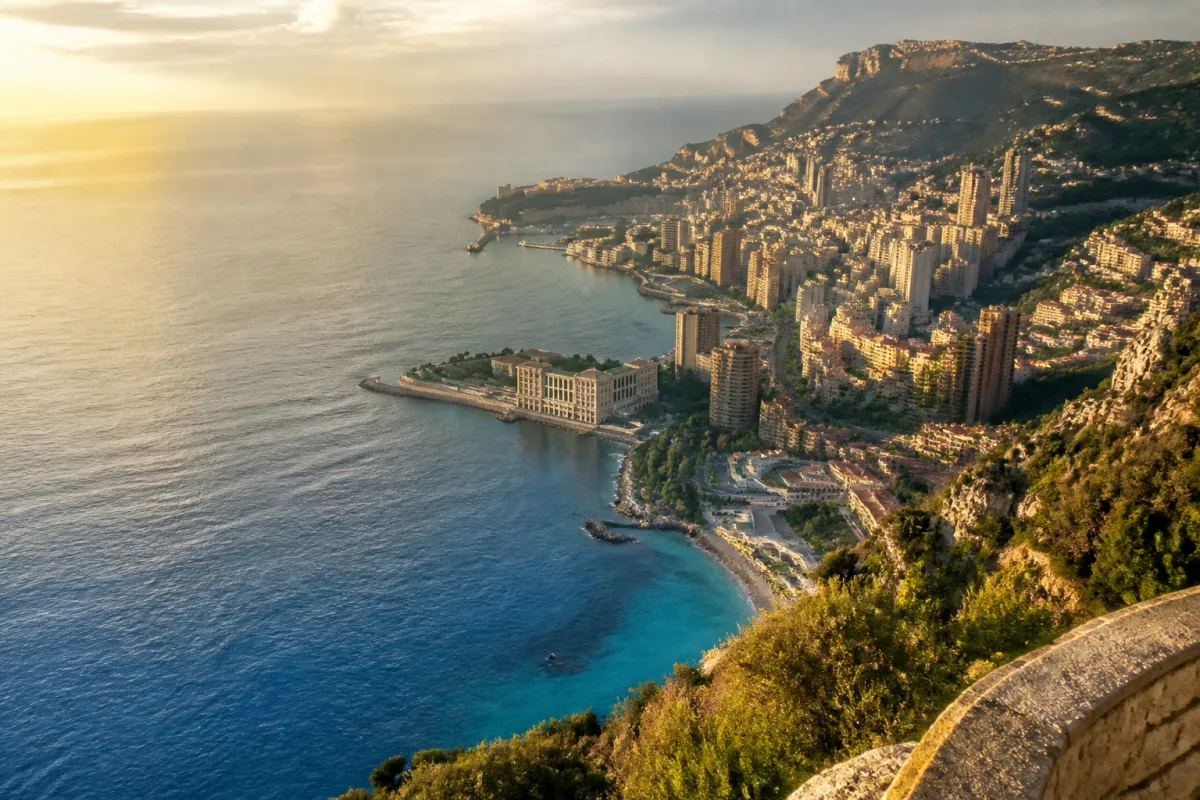

Monaco attracts people tired of Schengen visa hassles and seeking secure living without high taxes. You can obtain residency not only through investments worth several million euros, but also through the Blue Card programme for highly qualified professionals who secure employment with a company representative office in the principality.
Why Monaco Appeals to Europeans from the UAE
Many people leave the Arab Emirates seeking better conditions: exhaustion from constant short-term Schengen visas, security concerns, and a desire to live in Europe long-term. Monaco offers exactly this: access to Europe, security, and most importantly—no taxes on income earned outside the principality. This sets Monaco apart from neighboring French and Spanish jurisdictions, where the tax burden is significantly higher.
Monaco as a Tax Haven
For many years, Monaco has remained one of the few legitimate tax havens in Europe. The main advantage is that residents pay no taxes on income earned outside the principality. Income earned within Monaco itself is taxed, as it is everywhere, but this applies to a minority of professionals.
Compared to alternatives, Monaco outperforms programmes offering temporary tax holidays. Luxembourg offers capital gains tax benefits, Spain has a regime for highly paid foreigners (Beckham Law), and the United Kingdom provides four-year tax holidays. But these privileges are temporary. Monaco offers permanent exemption.
Traditional Ways to Enter Monaco: Investments
Formally, Monaco law provides for obtaining a residence permit when investing from 500,000 euros in a bank account. In practice, this requirement is much higher—particularly for Russian citizens, whom banks classify as higher risk. Those working on Russian passports are asked to discuss investments starting from two to five million euros.
This made Monaco inaccessible to most people interested in residency.
Alternative: Blue Card and Employment
The European Blue Card provides a path for highly qualified professionals. In Monaco, this means a qualified professional can secure employment with a company representative office and obtain a residence permit without mandatory multi-million-euro investments.
This option is not suitable for everyone—it requires higher education and willingness to actually work in Monaco. But for those who meet the criteria, it is a significantly more accessible solution compared to investment requirements.
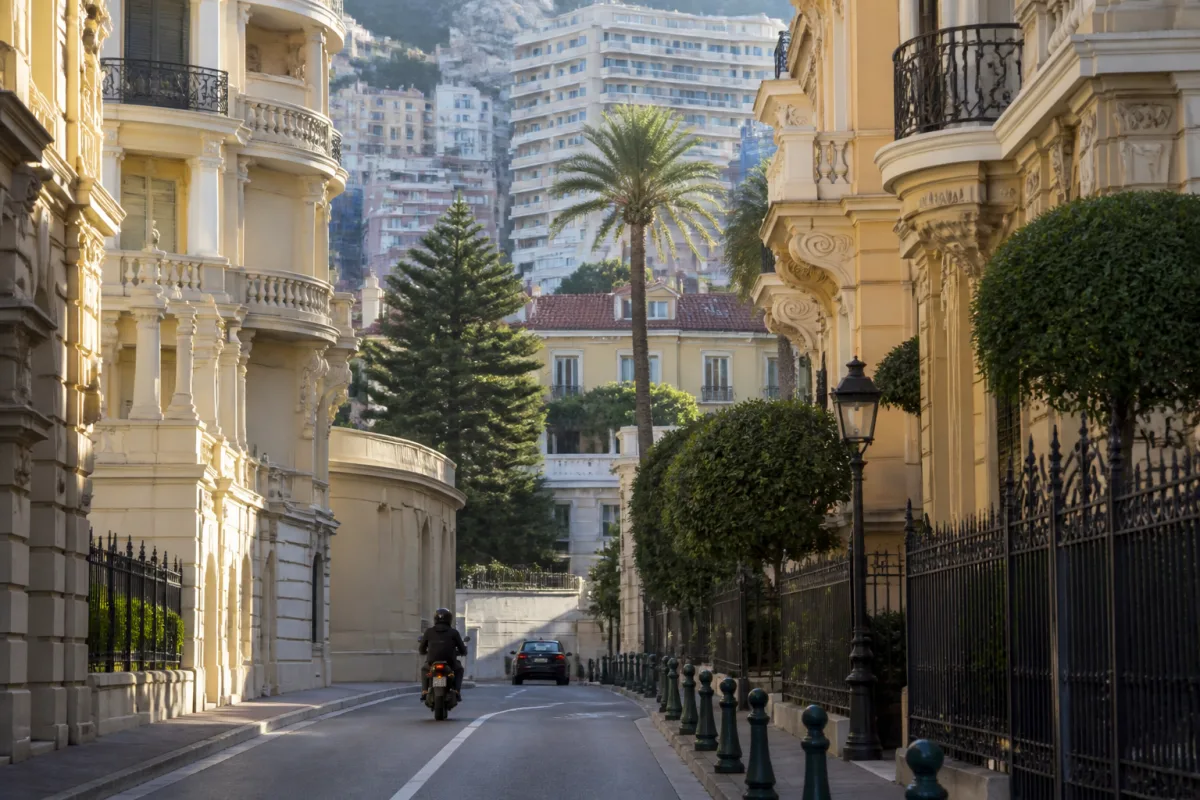
Cost of Living and Other Realities of Monaco
Monaco’s cost of living is comparable to expensive areas of London, if not higher. It is significantly higher than in France, Luxembourg, the Netherlands, and Belgium. The reason is simple—land is scarce, and the territory is fully built up.
A downside for families with children: Monaco has one major International School with a two-year waiting list. Attempting to send children to school in France while residing in Monaco creates tax disputes with French authorities: the family’s center of life interest will shift to France, and the French tax service will have grounds to consider the family as French tax residents.
Monaco is under significant French control. Although the principality has tax privileges, it carefully ensures that French tax residents do not exploit this loophole. For citizens of other countries, this restriction does not apply.
When Monaco Makes Sense
Monaco suits people who want to live in a safe and climatically pleasant part of southern France without a crippling tax burden. It is a solution for those who can afford a high cost of living but do not want to forfeit income to taxes.
Obtaining Monaco citizenship remains unlikely—it is granted only in exceptional cases. But for many, the main goal is not a passport, but the ability to live in a normal, climatically favorable, and secure environment with tax benefits.



Comments
Reader experience is useful, but it is not advice: check the rules on the official site.
No account needed: click Sign in, type any name, and you are done.