


You can move to Spain under three programs: the non-lucrative visa (nómada rentista), the digital nomad visa, and the startup visa. The main difference between them is tax obligations: under the nomad visa you become a tax resident right after entry, while under the non-lucrative visa you may avoid becoming one at all. The choice of program depends on the source of income and whether the move includes children.
The non-lucrative visa
The best-known option is the non-lucrative visa for people with passive income or an independent financial source. It must be obtained outside Spain, but can be renewed within the country. For renewal, it’s enough to show you have money and a steady income. According to the source, applicants with a Russian passport face many rejections, but getting the visa is still possible.
Detailed conditions, as the material notes, are discussed during an individual consultation.
The nomad visa: fast approval and a tax commitment
The digital nomad visa, or remote worker visa, is designed for those who work remotely for a foreign employer or clients. Spain promises a decision within two weeks.
In return, the state requires tax compliance: under this visa, taxes and social contributions start right after entry. If they aren’t paid, the person may be asked to leave, and the visa won’t be renewed. Spain expects those who arrive to become taxpayers and stay in the country long-term.
The startup visa and the Beckham Law tax break
The startup visa is intended for people with innovative projects. At the time of application, the project may not yet be built or implemented by a company in Spain, but it’s evaluated more strictly, especially at the renewal stage. A new agency, established a few years ago, has weeded out fake and fraudulent projects.
The program’s main advantage is the Beckham Law tax break: income earned outside Spain can go untaxed if it’s not active income but rather dividends, securities payouts, real estate sales, or business sales. The nomad visa doesn’t offer this benefit, but it’s written into law for startup founders.
Why Spain, and which regions to choose
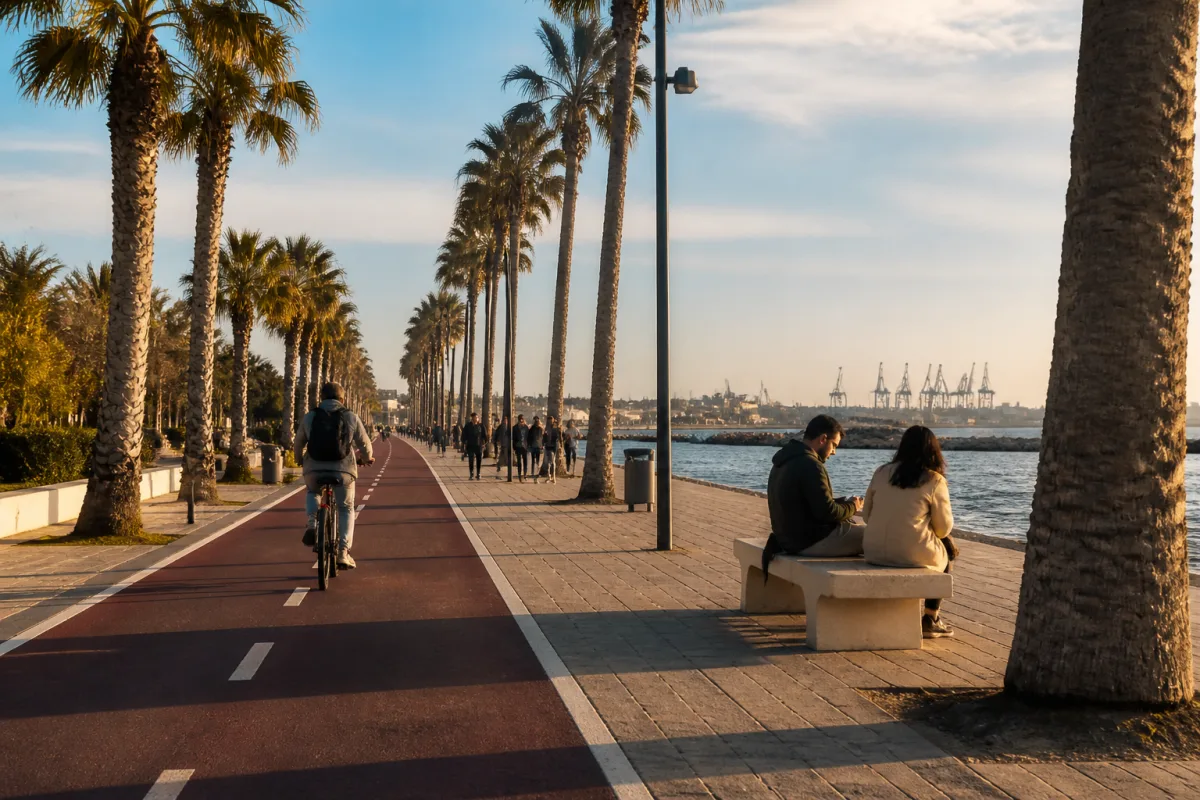
Spain is somewhat cheaper than France or Germany, but the difference depends on the city. According to the source, programmers and freelancers without children more often choose Barcelona, families with children choose Valencia, and those who want to learn Spanish choose Madrid. In Barcelona and Valencia, he notes, many people speak English and Russian, so the language may not improve without deliberate practice.
One of the country’s advantages is the large number of expats, which makes it easier to find friends and a shared community.



Comments
Reader experience is useful, but it is not advice: check the rules on the official site.
No account needed: click Sign in, type any name, and you are done.