
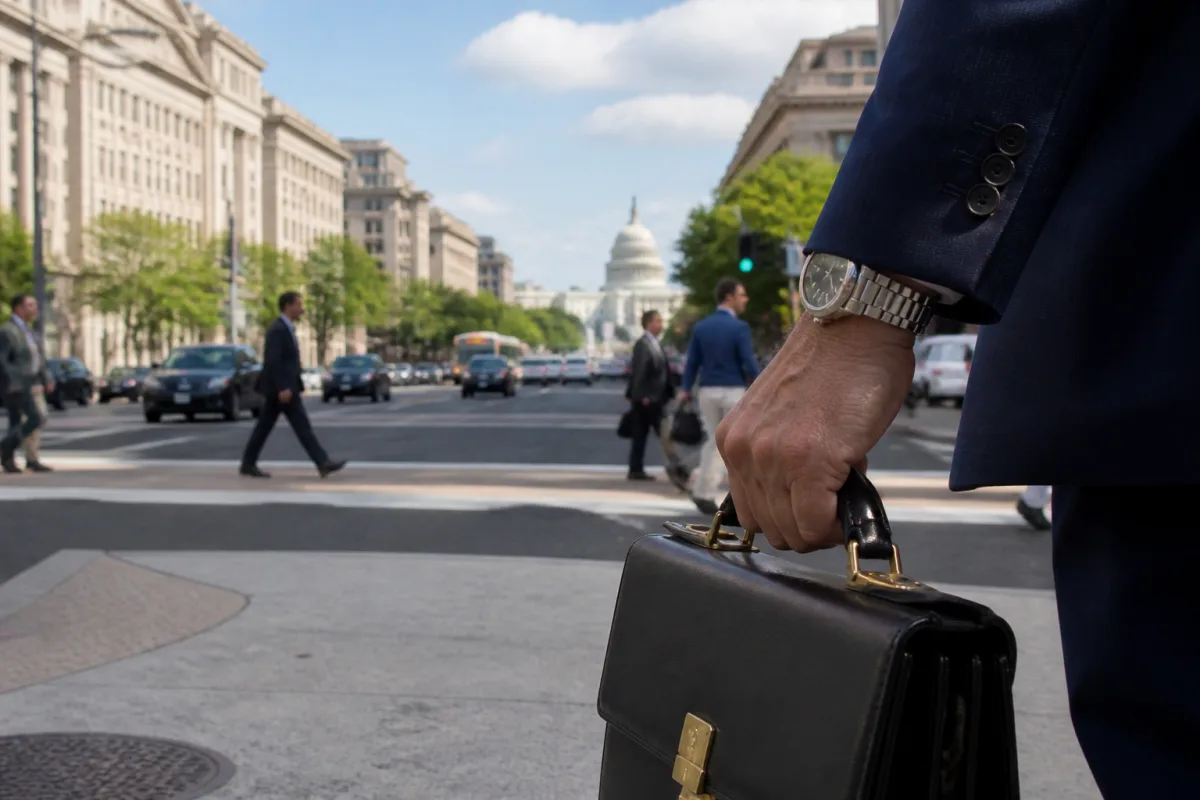

US President Donald Trump has signed two new executive orders aimed at restricting birthright citizenship. One targets children born in the US to undocumented migrants, the second focuses on combating birth tourism aimed at securing an American passport. Like the administration’s previous attempt, the new orders face an expected legal challenge.
Birthright citizenship: history and current disputes
The right to citizenship for children born on US territory is enshrined in the 14th Amendment to the Constitution and emerged after the Civil War to protect the rights of children of freed slaves. Today this norm sparks fierce debate. Supporters of restrictions argue that wealthy people exploit birthright citizenship, acquiring it like a commodity. The Trump administration insists this is unfair and has spawned an entire industry.
However, the US Supreme Court has already ruled on this issue. Trump’s previous order attempting to restrict birthright citizenship was blocked by federal courts and later rejected by the Supreme Court. The administration hopes the new wording will withstand legal scrutiny.
The first order: children of migrants residing in the country illegally
The first executive order aims to restrict citizenship for children whose parents are in the US illegally or temporarily — for example, on tourist visas or other nonimmigrant visas.
However, according to immigration attorney Deron Edward Slocomb, in practice this order will change nothing. The Supreme Court has already established that a child born on US territory automatically receives American citizenship regardless of the parents’ status. The new order cannot rewrite the Constitution, and the situation of such families will remain unchanged.
The second order: combating birth tourism
The second order focuses on so-called birth tourism — a phenomenon in which foreigners travel specifically to the US to give birth and obtain an American passport for their child. Parents arrive under the guise of tourists, supposedly to visit Disneyland or national parks, but the real goal is childbirth and obtaining American citizenship.
Children born this way gain access to the entire system of rights and benefits, including voting rights and all privileges reserved for American citizens. Later they can use family reunification to help their parents immigrate.
The administration distinguishes between two issues: illegally obtaining a visa (lying on an application) is a crime, while birthright citizenship is enshrined in the Constitution. Therefore, the president can regulate who receives visas but cannot strip citizenship from a child already born. The Supreme Court already banned such actions last June.
The scale of the phenomenon: how big is the problem
The US administration claims a multimillion-dollar industry has grown up around birthright citizenship. Congressional materials and investigations mention companies working with clients from various countries, including US geopolitical rivals such as China and Russia. Some companies in California have been criminally prosecuted by the Department of Justice for sending packages with instructions on what to say at the consulate and how to enter the US.
However, according to expert estimates, birth tourism results in about 26,000 births in the US each year. With a total of 3.5 million births in the US, this amounts to less than 1 percent. Critics argue the problem exists but is not large-scale, and existing legislation is sufficient to address it — it simply needs to be enforced in practice.
Legality and the role of the courts
The administration distinguishes between two areas: issuing visas (a presidential power) and citizenship (a constitutional matter). If a foreigner lied when applying for a visa, this is considered fraud and a crime. The state can deny a visa or deport a person who obtained entry unlawfully.
However, stripping citizenship from a child already born is legally impossible, since the 14th Amendment clearly guarantees it. According to immigration lawyers and human rights organizations, including the ACLU, the new orders face the same fate as the previous ones — they will be challenged in court and rejected on the grounds that the constitutional question has already been settled.
The final decision on whether the new restrictions will stand will be made by the US judicial system. The fight over birthright citizenship is once again becoming one of the key themes of American immigration policy.

Comments
Reader experience is useful, but it is not advice: check the rules on the official site.
No account needed: click Sign in, type any name, and you are done.