
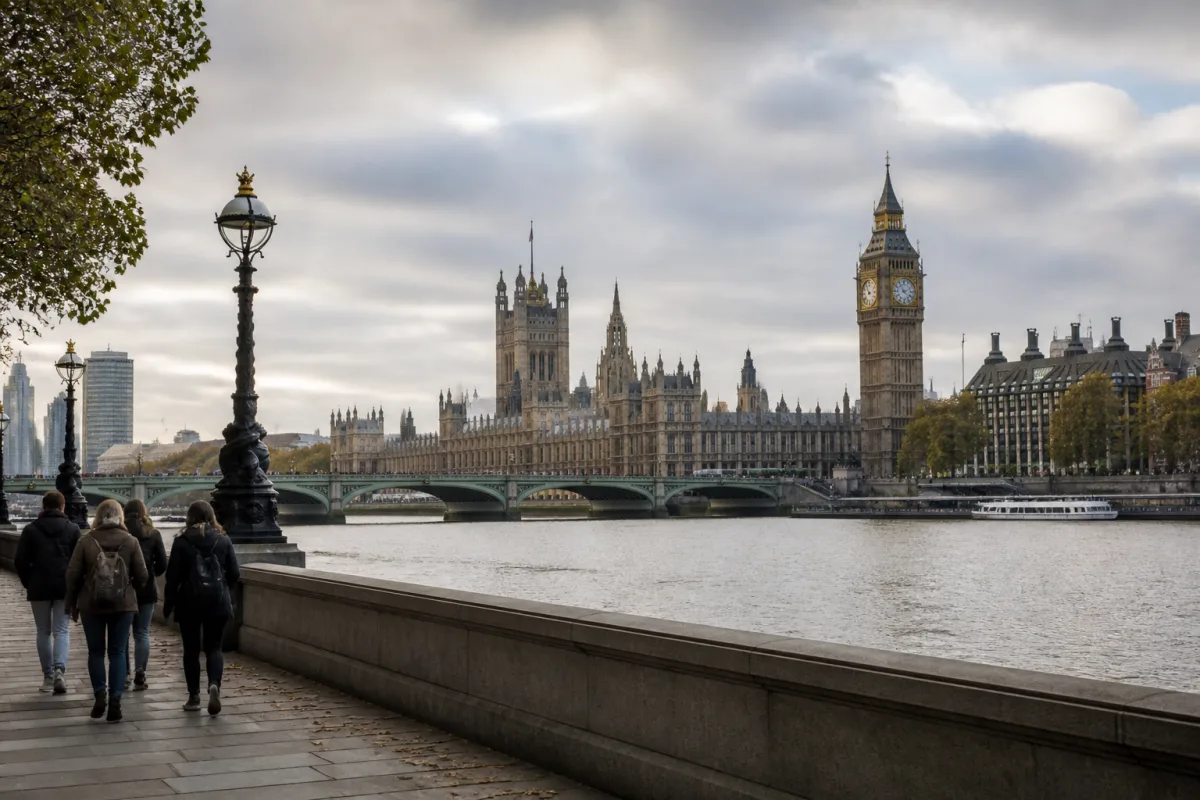

On 2 November 2026, the UK’s Immigration and Asylum Bill passed its third reading in the House of Commons and has now moved to the House of Lords for consideration.
In short
- The bill has passed its third reading in the Commons and moved to the House of Lords — the date it comes into force has not yet been set.
- The five-day window after an asylum refusal is being scrapped: officers will instead get around six months to carry out removal, with no additional notice.
- A new independent body, the IAA, will replace tribunals in handling asylum and immigration appeals.
- Almost 80% of NRM referrals last year involved people under immigration control, including Skilled Worker visa holders.
- Advice to skip biometrics or file a fee waiver to drag out a case creates risk rather than a lawful delay.
What happened to the bill on 2 November 2026
The UK Home Office published an update on the immigration reform on gov.uk on 2 November 2026. It states that the Immigration and Asylum Bill has passed its third reading in the House of Commons.
Home Secretary Shabana Mahmoud had earlier announced changes to the UK’s immigration rules in Parliament. The published update says she cleared the last hurdles on the path to reform — the material describes this as her key achievement.
she cleared the last hurdles on the path to reform
How many MPs voted for the bill
According to the available material, around 290 MPs took part in the third reading in the Commons (the source does not confirm this figure’s precision). The source states that the bill passed by a majority, but the exact number of votes in favour is reported inconsistently in the transcript: different parts of the material cite conflicting figures — 196, 1196, and a ratio of “29 out of 1196” — and none of them can be confirmed by an official source. The precise voting result cannot be verified from the available material.
Work on this reform package began last year and has been accompanied by disputes between the government and human rights organisations.
The source says the bill passed by a majority, but the exact number of votes in favour is reported inconsistently — 196, 1196, “29 out of 1196.” The figure cannot be confirmed from the available material.
How the House of Lords differs from the Commons, and what happens next
The House of Lords is Parliament’s second, upper chamber, and that is where the bill has now been sent. The key difference from the Commons is that its members are not elected by public vote: MPs in the Commons are chosen at elections, while the Lords is formed differently. Passing the third reading in the Commons is considered a major milestone — it means the proposed reform of the asylum and immigration system has moved through a significant part of its journey through Parliament.
The bill must now be introduced in the House of Lords to go through the next stage of its parliamentary journey. Once approved by the upper chamber, the document becomes law, and secondary regulations are then drawn up on its basis. Only after that is a specific date announced for when the law will come into force — separate from the date the act itself is passed. At the point the third reading passed in the Commons, that date had not yet been set: the process requires consideration by the Lords first, then the drafting of regulations, and only then an announcement of the implementation date.
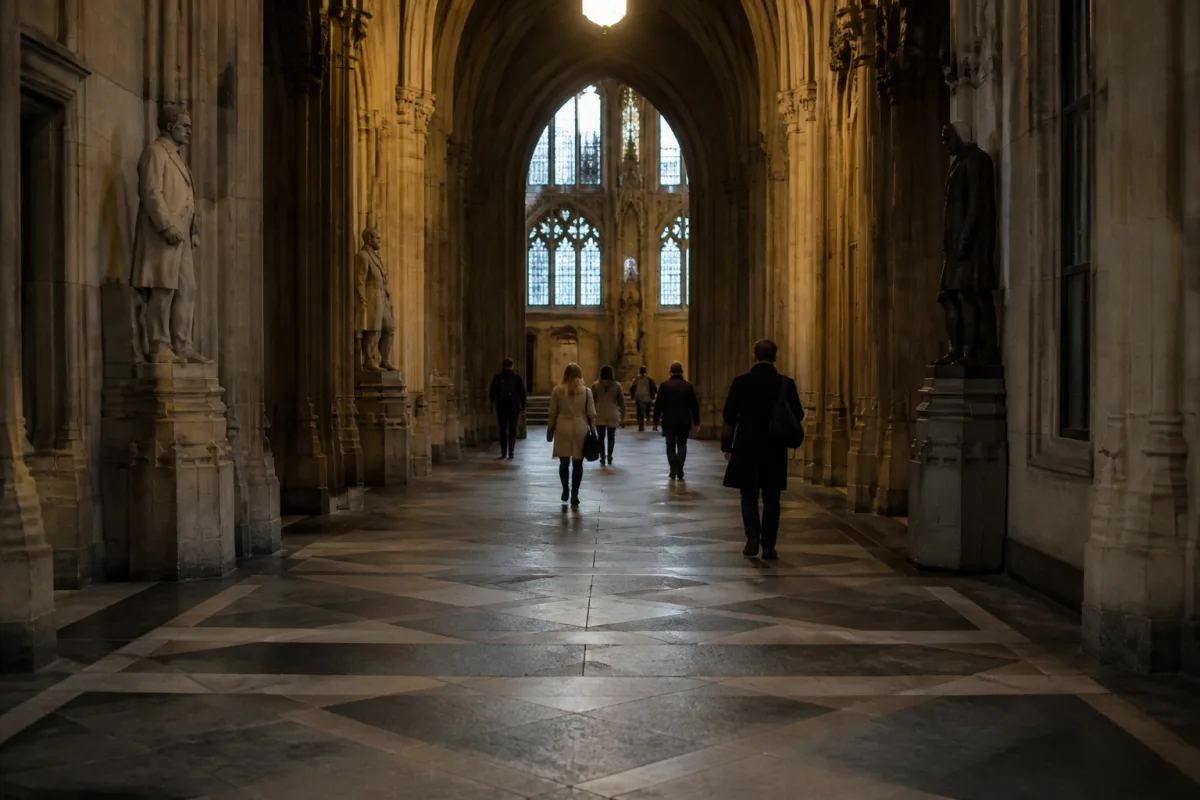
The bill has passed its third reading in the Commons and moved to the Lords. Once the upper chamber approves it, it becomes law, secondary regulations follow — and only then is the implementation date announced.
What the reform package covers
The government has presented Parliament with an asylum and return policy — a reform package that, according to the authorities, is meant to create a fairer immigration system.
The package covers several areas:
- Asylum. Updates have been made to the procedure for assessing asylum claims.
- Protection from exploitation. Separate protection is set out for those who have genuinely suffered exploitation, including cases of modern slavery.
- Skilled Worker visa. Updates affect the Skilled Worker visa — a route that, according to official statements, has previously been widely used to exploit workers.
- Student and other visas. Amendments also affect the student visa and a number of other visa categories.
A separate set of changes concerns the length of visa routes to permanent status and related entitlements: the discussion covers routes ranging from 5–10 years and 10–15 years up to 15–20-plus years — exact thresholds have not yet been finalised. The source identifies these timelines as the main concern for some migrants at present.
What changes in the reform package
Key areas of the updated asylum and immigration policy
- Asylum claim assessment process
- Protection for exploitation victims
- Skilled Worker visaaccording to the authorities, previously used to exploit workers
- Timelines for routes to permanent statusexact thresholds not yet finalised
The new independent appeals body: the IAA
The Independent Immigration Appeal Authority (IAA) is a new independent body that will handle appeals in asylum and immigration cases. It will replace the current tribunals: if a rejected applicant is granted a right of appeal, the case will go not to a tribunal as it does now, but to the IAA, which will make the decision.
The government has described how the body is meant to work in simple terms: if an applicant has a well-founded basis for protection, they are granted relief; if the basis is not confirmed, the claim is refused. Separately, the authorities stated that setting up the IAA is meant to close loopholes in the immigration system — in their words, the previous appeals process allowed such loopholes.
At this point, the IAA remains a stated government intention; the material does not give an exact launch date for the body.
What changes for rejected asylum seekers and irregular migrants
The amendment scraps the five-day window that previously applied after an asylum refusal: according to the authorities, this period had become a trigger for last-minute claims — people would file a human rights or family-life claim just in time to extend their stay. In its place, officers are expected to be given around six months to remove rejected asylum seekers and irregular migrants, according to the authorities. No additional notice before removal is required in this case, and such applicants will not get any extra time to remain in the country.
No additional notice before removal is required in this case
The changes do not affect those with a lawful basis to remain: for them, according to the authorities, the normal process continues to apply. This concerns what the department calls abuse of the system — cases where an applicant follows advice from acquaintances or unscrupulous advisers to drag out the process, for example by missing a scheduled biometric appointment.
The Home Secretary said these measures have already produced results: small boat arrivals have fallen, the number of removals of people in the country illegally has risen, and, in her words, the government has saved around £1 billion of taxpayers’ money. She also said asylum claim processing has sped up.
Removal timeline after an asylum refusal
The amendment changes the period that previously applied after an asylum refusal
- Window after refusalthe period was used for last-minute claims
Instead of five days to appeal after an asylum refusal, officers are expected to be given around six months to carry out removal — with no additional notice and no right to a delay.
What is said about protecting modern slavery victims
A worker who is harassed, exploited, or blackmailed by their employer is entitled to file a claim and seek relief — this is the recommendation the authorities have addressed to victims: not to hide the situation but to come forward openly and have their case formally assessed.
The National Referral Mechanism (NRM) exists to identify and support such people: under this mechanism, the NRM and other specialist organisations assess whether the person coming forward is genuinely a potential victim of modern slavery. This applies specifically to Skilled Worker visa holders who have been blackmailed by their employers.
According to figures cited by the source for last year, almost 80% of all NRM referrals involved people under immigration control, and around a quarter of referrals came from people held in detention centres.

Why skipping your biometric appointment is a bad idea
Some applicants are advised not to attend their scheduled biometric appointment and to submit a medical certificate instead, dragging the case out. The logic behind this advice rests on a calculation: if the asylum claim is drawn out for two to three years, after a year and a half to two years the applicant will supposedly be granted FLR — limited leave to remain. The same approach is used to push applicants into filing a fee waiver request — not because they genuinely qualify for the exemption, but as another way to prolong the process.
Such advice typically does not come from qualified lawyers but from agents profiting from applicants’ vulnerability. For cases that are genuinely well-founded, artificial delay is unnecessary — the normal process applies. For everyone else, trying to work around the process creates risk rather than benefit: missing a scheduled biometric appointment is a breach of procedure, not a lawful pause in the case.
missing a scheduled biometric appointment is a breach of procedure, not a lawful pause in the case
The government says it intends to clamp down on this kind of advice. Home Secretary Shabana Mahmoud has previously set out a package of migration reforms meant to bring the system in line with current needs, and has published related data on gov.uk.
Advice to skip a biometric appointment and submit a medical certificate to drag out a case comes from agents, not lawyers, and creates risk rather than benefit — missing the appointment is a breach of procedure.
Frequently asked questions
What happens to people who were already refused asylum before the reform takes effect
The exact date the new rules take effect hasn’t been announced yet: the bill must first pass the House of Lords, then secondary regulations will be drawn up based on it, and only after that will a date for the law coming into force be named. Until then, the current process continues to apply.
How does scrapping the five-day post-refusal window affect people with a lawful basis to stay
They are not affected by the change: applicants with a lawful basis to remain continue to go through the normal process. The new rules target what the department classifies as abuse of the system — for example, deliberately dragging out the process.
Can an asylum refusal still be appealed once the IAA is set up
Yes — if a rejected applicant is granted a right of appeal, their case will go to the new IAA body rather than a tribunal as it does now. The body’s approach is straightforward: applicants with a well-founded basis for protection are granted relief, while unconfirmed claims are refused.
What happens to an applicant who has already missed a biometric appointment on someone’s advice
Missing a scheduled biometric appointment is a breach of procedure, not a lawful pause in a case: it creates risk for the applicant rather than lawfully extending their stay. Cases that are genuinely well-founded don’t need artificial delay — the normal process applies to them.
Can a Skilled Worker visa holder seek protection if their employer is blackmailing them
Yes: a worker who is harassed, exploited, or blackmailed by their employer is entitled to file a claim and seek relief. This specifically applies to Skilled Worker visa holders blackmailed by employers — such applicants are assessed through the National Referral Mechanism alongside other specialist organisations.
Do the new removal timelines apply to student visas, or only to asylum cases
The changes to the five-day window and the new six-month period apply to rejected asylum seekers and irregular migrants. The reform package separately covers the student visa and the Skilled Worker visa, but for those categories the material describes different updates, not removal timelines.



Comments
Reader experience is useful, but it is not advice: check the rules on the official site.
No account needed: click Sign in, type any name, and you are done.