
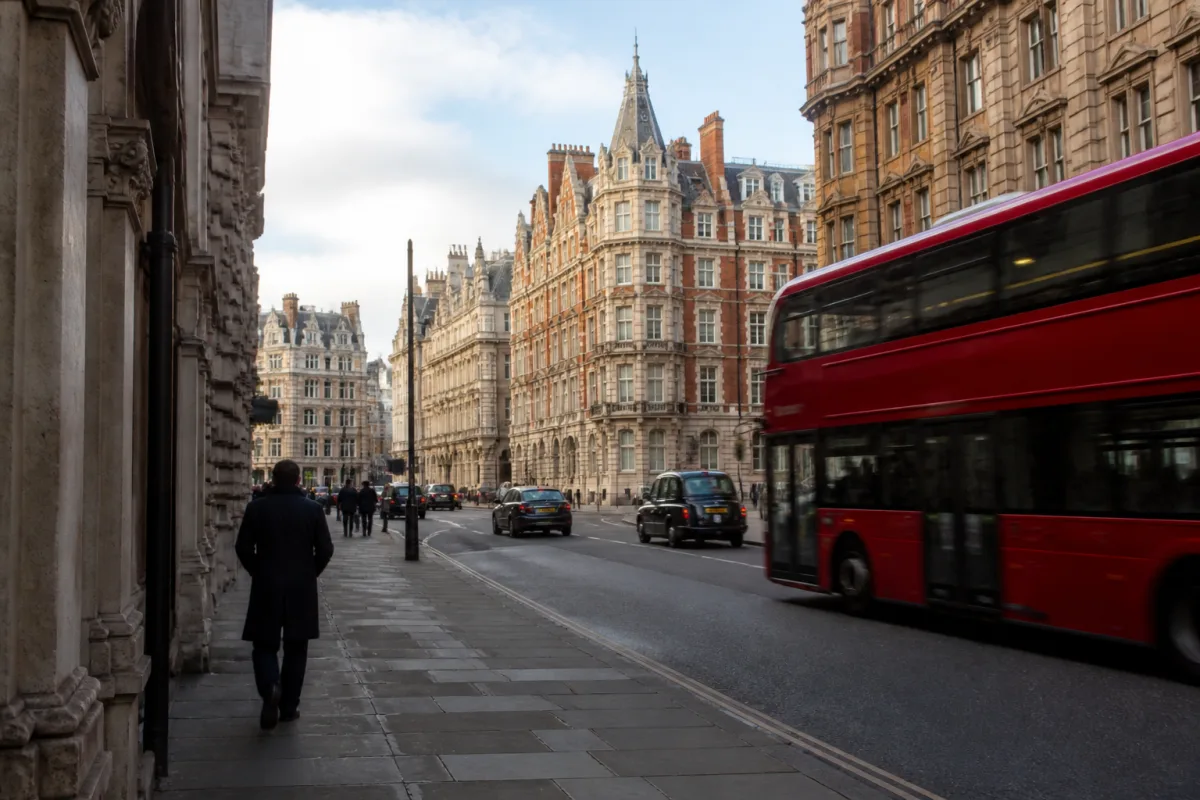

The UK House of Commons has passed the government’s immigration and asylum bill, which tightens rules for those who entered illegally and speeds up removal of rejected applicants. The bill passed with 290 votes in favour and 94 against, but it has not yet become law: further parliamentary scrutiny lies ahead.
What MPs Discussed
On 17 November 2026, MPs debated the government’s immigration and asylum bill. A Reform UK MP demanded tighter border controls and proposed restricting relations with states that refuse to accept deported citizens, as well as withdrawing from the European Convention on Human Rights.
Conservative shadow home secretary Chris Philp criticised the deportations minister’s record. According to him, since the Labour government came to power, 88,000 people have crossed the Channel illegally, about 6,000 have been removed, and over 90% of applications have been granted.
The Government’s Position
Shabana Mahmood said the bill goes further and works in three directions. First, speeding up asylum decisions through a new independent immigration appeals body and a single appeals process. Second, closing loopholes: tightening the application of Article 8 of the European Convention on Human Rights and clarifying modern slavery laws. Third, speeding up removal of those who have exhausted all rights of appeal, and tightening the application of Article 31 of the Refugee Convention.
According to the minister, this will protect genuine refugees while allowing quick removal of those in the country illegally.
Divisions Within Labour
Criticism came not only from the opposition. Some Labour MPs warned that tougher measures could weaken protections for vulnerable people, including migrants who have survived domestic abuse. At the final Commons stage, 14 Labour MPs voted against the bill.
What This Could Mean for Migrants
For asylum seekers, the proposed changes could mean faster appeals and quicker removal after failed claims. People relying on family or private life rights under Article 8 may face stricter legal tests.
However, as noted in the piece, these measures do not automatically change all existing visas and routes to settlement status.
Status of the Bill
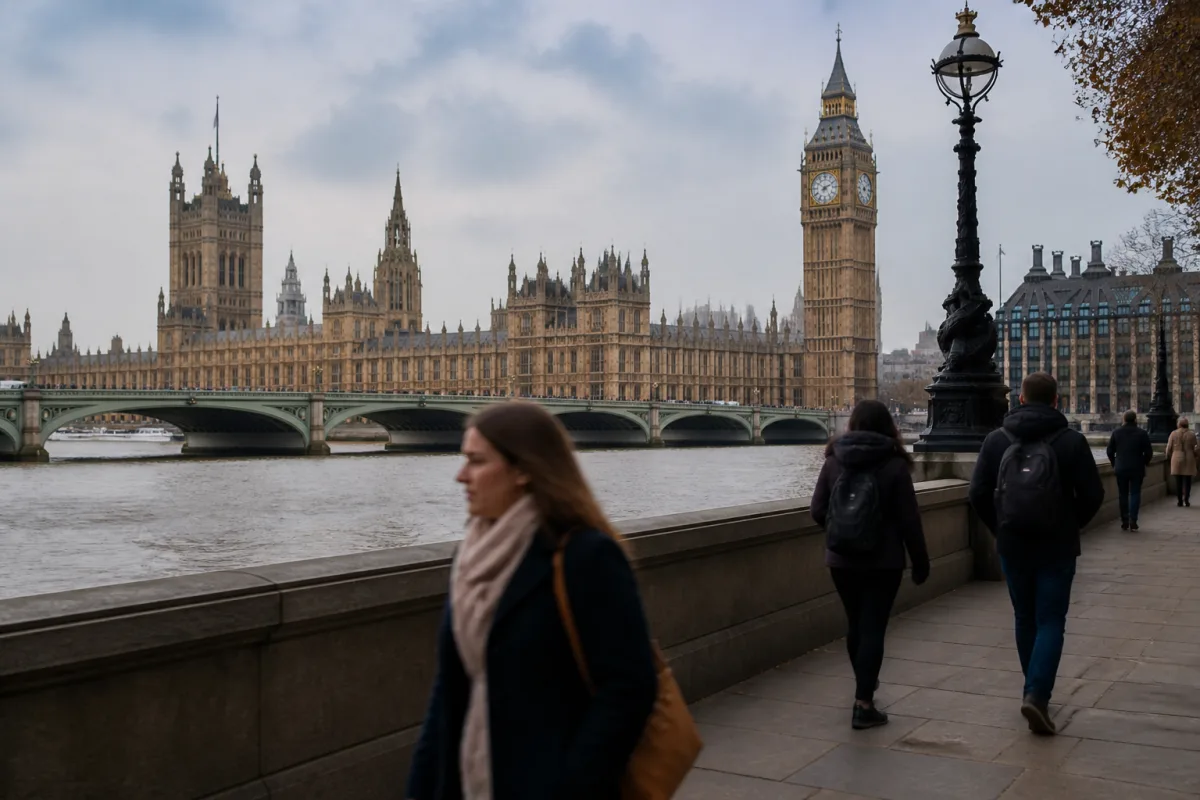
The Commons has passed the bill, but it has not yet become law. Disagreements among MPs over how far immigration restrictions should go mean further parliamentary scrutiny is still ahead.

Comments
Reader experience is useful, but it is not advice: check the rules on the official site.
No account needed: click Sign in, type any name, and you are done.