
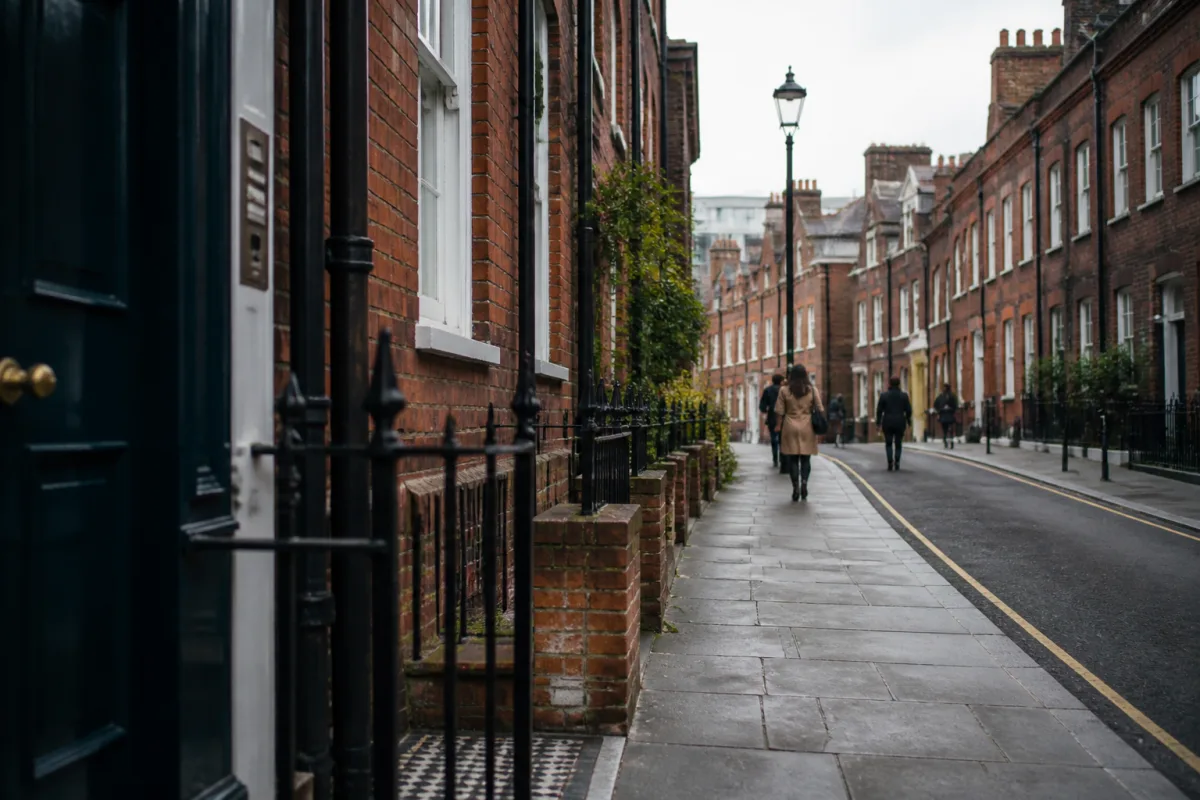

The UK is a relatively closed country in migration terms, with fewer pathways than the US. For people without an IT profile, the main options are a work visa through an employer, the healthcare worker visa for medical professionals, an innovator visa for entrepreneurs, and Global Talent for scientists and creatives. For the latter two categories, the requirements, according to the host, are noticeably simpler than in almost any programs in other countries.
Why there aren’t many paths
The UK’s migration system doesn’t offer as many relocation pathways as, say, the US, where a talent visa is available to a wide range of professionals: from IT specialists, engineers, doctors, and lawyers to blacksmiths, musicians, and DJs. In the UK, the largest share of migrants arrive as work migrants through an employer. This route is open to people of any profession, but without an employer, the path narrows.
The healthcare worker visa and work pathways
Medical professionals working in healthcare can obtain a special healthcare worker visa. It requires having an employer. Most people arriving in the country get their visa through an employer, in any field.
The innovator visa for entrepreneurs
If you don’t have an employer, you can still relocate by falling into specific applicant categories. One of them is innovative entrepreneurs. People from IT business often apply here, but any legal business can fit as well, if it has an innovative element, such as automation. Logistics, the restaurant business, accounting — these can also work, if the applicant shows they intend to automate or otherwise update processes. A visa can be obtained on this basis.
Global Talent for scientists and creative professionals
The second category is people of science. The visa can be obtained if you have a PhD, earned in your home country or any other. The third category is people of art and culture: artists, musicians, writers, poets, actors, theater and film professionals, fashion designers, DJs, and other creators who produce a work of art. There are no restrictions by field.
For artists and scientists, the requirements are currently very simple. For these categories, getting a residence permit, according to the analyst, takes far less effort than almost any other program in any country in the world.
The upshot of this feature: a very narrow circle of specialists comes to the UK through this route, but the path itself is fairly easy for them. For everyone else, it’s harder than for specialists, but easier than in most countries.


Comments
Reader experience is useful, but it is not advice: check the rules on the official site.
No account needed: click Sign in, type any name, and you are done.