


As of early October 2026, DV-27 registration still hasn’t opened, no start date has been set for DV-28, and a bill introduced in the Senate would remove the green card lottery from the law entirely.
In short
- The DV-27 visa year officially runs from October 1, 2026, through September 30, 2027, but application registration still hasn’t opened.
- Red Eagle Law is seeking a San Diego federal court order compelling the State Department to run the missed DV-27 cycle; a ruling on standing was expected by October 14, 2026.
- As of August 28, 2026, the pause on issuing DV visas put in place in December 2025 was lifted — this does not schedule a new DV-28 drawing.
- As of April 10, 2026, lottery entry requires providing valid passport details and uploading a scan of its biographic page.
- The Americans First Immigration Act proposes eliminating the DV lottery entirely, but is still only at the introduction stage in Congress.
DV-27: why registration still hasn’t started
A DV number refers to the program’s fiscal year, not the calendar year someone applies in: registration traditionally opens well in advance. For DV-2026, it ran in the fall of 2024 — nearly a year before the start of the visa period.
On November 5, 2025, the State Department announced changes to the DV-27 participation process and promised to separately announce the registration start date and the results announcement date. In that same notice, the agency left unchanged the period for applying for visas for already-selected participants — October 1, 2026, through September 30, 2027.
So the DV-27 visa year is technically already underway, but the usual application schedule still hasn’t appeared on the official pages.
DV-27 timeline: what’s already happened
Key dates in the DV-27 cycle against the absence of an application schedule.
- DV-2026 registration (for comparison)fall 2024
- Announcement of DV-27 process changesNovember 5, 2025State Department
- Start of DV-27 visa periodOctober 1, 2026
- Court ruling on the Red Eagle Law lawsuitby October 14, 2026right to demand the cycle be run only
- End of DV-27 visa periodSeptember 30, 2027
DV-27 is technically already underway as a visa year (October 1, 2026 to September 30, 2027), but the dates for opening applications and announcing results still haven’t been named.
The Red Eagle Law lawsuit: could a court force DV-27 registration to open?
The law firm Red Eagle Law filed suit in federal court in San Diego, seeking to compel the agency to open DV-27 applications. At a September hearing covered by Courthouse News, a government representative argued that running this cycle is no longer possible, since registration must close before the relevant fiscal year begins. Under that logic, any applications submitted after the deadline would automatically count as registration for the next fiscal year — DV-28, not the missed DV-27.
Red Eagle Law counters that the delay was created by the government itself, and now the same government is citing the elapsed time as grounds for refusal. The judge at the hearing considered two questions — whether a court can order the agency to run the missed cycle, and whether this particular firm has standing to bring such a suit. A ruling was expected by October 14, 2026, either at a separate hearing or in writing. That date applies only to the court’s answer on the right to demand the missed cycle be run — not to any date for applications to open.
the delay was created by the government itself, and now the same government is citing the elapsed time as grounds for refusal
The government argued in court that applications filed after the missed deadline would automatically count as registration for DV-28, not DV-27.
DV-28 and the visa issuance pause: what changed by fall 2026
Under the usual schedule, the DV-28 cycle would have been expected in fall 2026, but the normal order has already been disrupted, so old timelines can’t be relied on. At the time this material was checked, the State Department’s current notices page still displayed DV-26 materials, and there was no announcement of a new cycle in the official visa news feed.
A separate issue is the pause on issuing DV visas themselves, put in place in December 2025. In an August 31 update, the State Department stated that this pause no longer applies as of August 28 — a decision tied to the Medani v. Trump litigation. At the same time, further down on that same page, the earlier text about the suspension remained in place: anyone who reads only that part would reach the opposite conclusion.
anyone who reads only that part would reach the opposite conclusion
It’s important not to confuse two separate things: lifting the pause concerns the issuance of already-approved visas and does not by itself schedule a new DV-28 drawing or remove requirements for applicants.
The DV visa issuance pause was lifted as of August 28, but the earlier suspension text remained further down on the same State Department page — easy to misread.
New lottery entry rules as of April 2026
As of April 10, 2026, a new rule governs entry into the DV lottery, and anyone who applied under the old process can no longer rely on the previous instructions. The principal applicant must provide details of a valid passport and upload a scan of the biographic data page with signature.
There is an exception to this requirement, but in the source materials it’s described only in connection with the DV-27 cycle — the specific criteria for exemption from the requirement haven’t been detailed yet.
Claims about a registration fee appear in some sources, but no official confirmation of a fee amount was found at the time this material was checked — submitting the application itself through the official portal, dvprogram.state.gov, does not involve any payment, while the visa itself, if selected, is paid for separately at the applicable rates.
An important nuance: the publication of these requirements does not by itself mean applications are open. The rule is in effect, but the start date for any specific cycle is still announced separately. It makes sense to check your passport now, while the terms of the upcoming cycle should be checked against the official announcement once it appears.

As of April 10, 2026, a valid passport and a signed scan of its biographic page are required — worth preparing in advance, before any cycle opens.
The Americans First Immigration Act: what repeal would mean
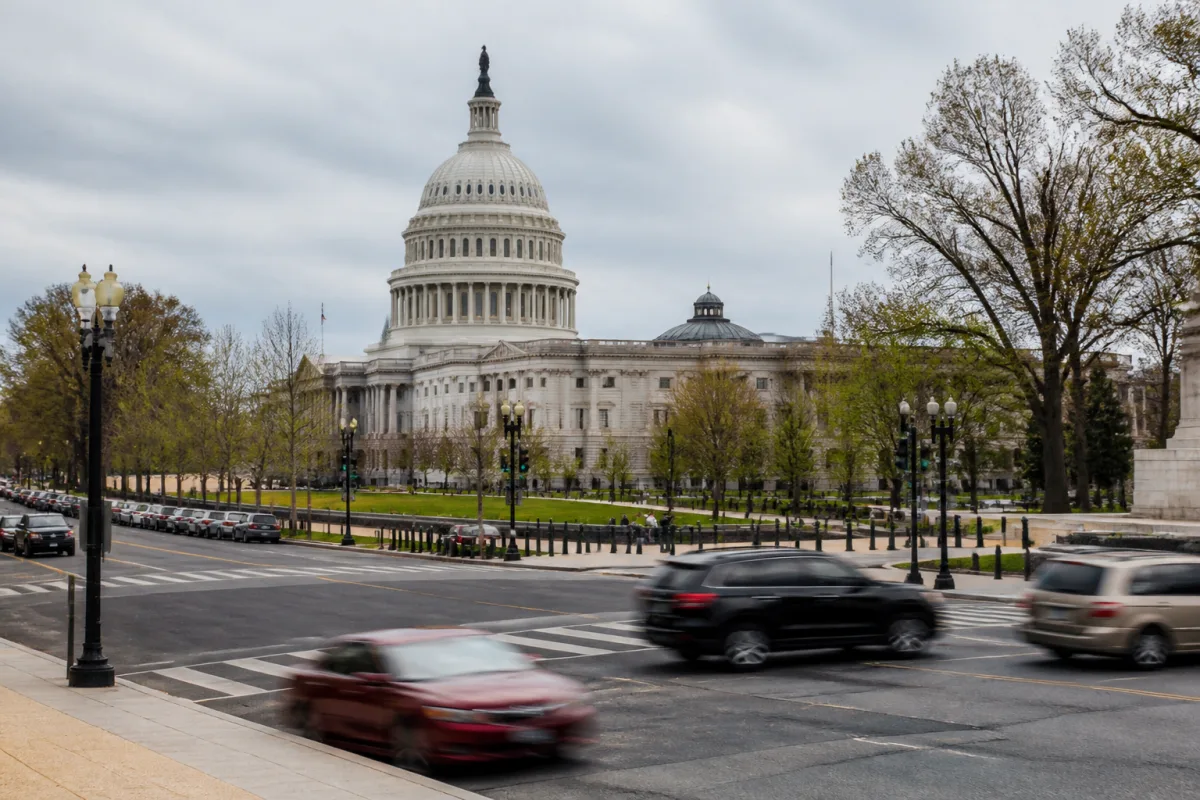
On September 23, 2026, a senator from Alabama introduced the Americans First Immigration Act (H.R. 5485). The section on the DV lottery calls for eliminating it entirely: if the bill becomes law, it would no longer be possible to apply for the random-selection lottery at all. The bill also proposes restructuring employment-based immigration around a points-based system tied to qualifications and changing the current family categories.
This does not mean current and future DV lottery participants would automatically be moved into a new system — at this stage, this is only bill text. At the time this material was checked, the bill is at the introduction and committee-referral stage: the proposed repeal has not become law. For that to happen, the bill would need to pass both chambers of Congress and complete the full constitutional process — the mere fact of introduction says nothing about timing or chances of passage.
the mere fact of introduction says nothing about timing or chances of passage
Entering any future drawing still requires an official start of that specific cycle, with dates and instructions — the repeal proposal doesn’t replace that. Check the source directly: the starting point is the DV Lottery section on travel.state.gov, and applications are submitted through the official site, dvprogram.state.gov.
Frequently asked questions
What happens if someone applies after the court rules on the Red Eagle Law lawsuit?
The court’s ruling concerns only whether the agency or the court can compel the missed DV-27 cycle to be run, and whether this particular firm has standing to demand it. Even if the court rules in the plaintiff’s favor, that is not the same as applications automatically opening: the date and process for accepting applications would still need to be announced separately by the agency.


Comments
Reader experience is useful, but it is not advice: check the rules on the official site.
No account needed: click Sign in, type any name, and you are done.