
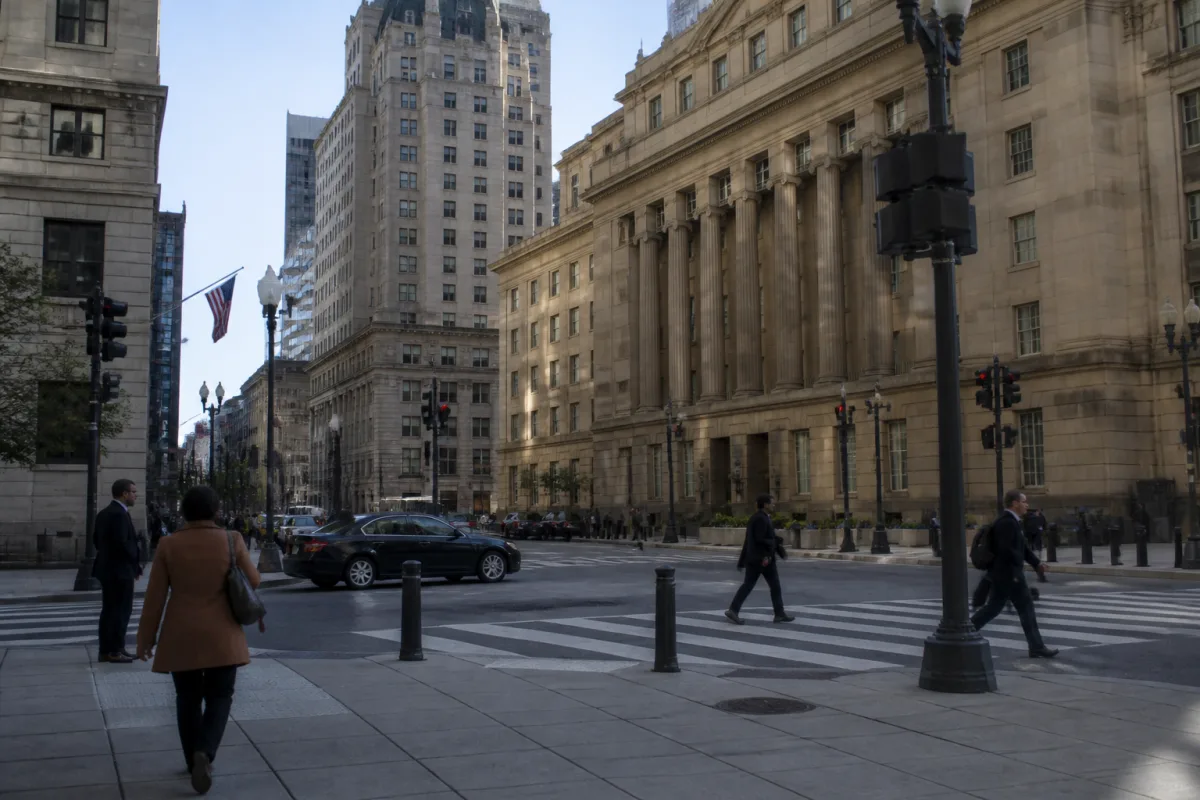

The U.S. Department of Homeland Security has proposed a new rule that will affect all H-1B visa holders: visa renewals will no longer be approved based on previous approvals and will instead be reviewed from scratch as separate applications. This will increase the risk of denial and requests for additional documentation during renewal.
What’s Changing in the Renewal Process
When updating H-1B status every three years, a renewal exemption previously allowed approvals: if an applicant had already been approved and their circumstances had not materially changed, USCIS would approve the renewal almost automatically without re-examining all documentation.
Under the new USCIS proposal, each renewal will be treated as a separate application. The agency will re-evaluate compliance with H-1B requirements based on current standards, increasing the likelihood of receiving an RFE (Request for Evidence) or even a denial. Any changes—employer switch, position change, salary adjustment, or work location move—will be scrutinized more carefully.
Background: This Isn’t the First Time
Elimination of the renewal exemption was proposed by the Trump administration as early as 2017. The rule was indeed changed at that time, but in 2021 the Biden administration restored the exemption. Those who have been on H-1B for several years are aware of this cycle.
Based on practical experience, when similar changes were implemented previously, they did not result in mass denials. There is a strong possibility that the new rule could be reversed in the coming years, but for now that it is proposed, one must be prepared for the possibility of it going into effect.
Timeline for Changes
The rule is currently in proposed status. A 30-day public comment period is provided, after which it can be published in final form. Legal challenges are possible. However, it is recommended not to wait and submit renewal documents as soon as possible before the rule takes effect. Once the change goes into force, USCIS may become stricter in reviewing any details—from employer changes to minor adjustments in salary or position.

Alternatives and Long-Term Strategy
Specialists recommend considering H-1B alternatives, particularly the O-1 visa, which can provide greater protection from administrative changes. Additionally, it is worth exploring the possibility of an EB-1A green card, especially if you have a priority date from 2024 or earlier. Through this pathway, permanent residency can be obtained in less than a year if the applicant meets the requirements.

Comments
Reader experience is useful, but it is not advice: check the rules on the official site.
No account needed: click Sign in, type any name, and you are done.