
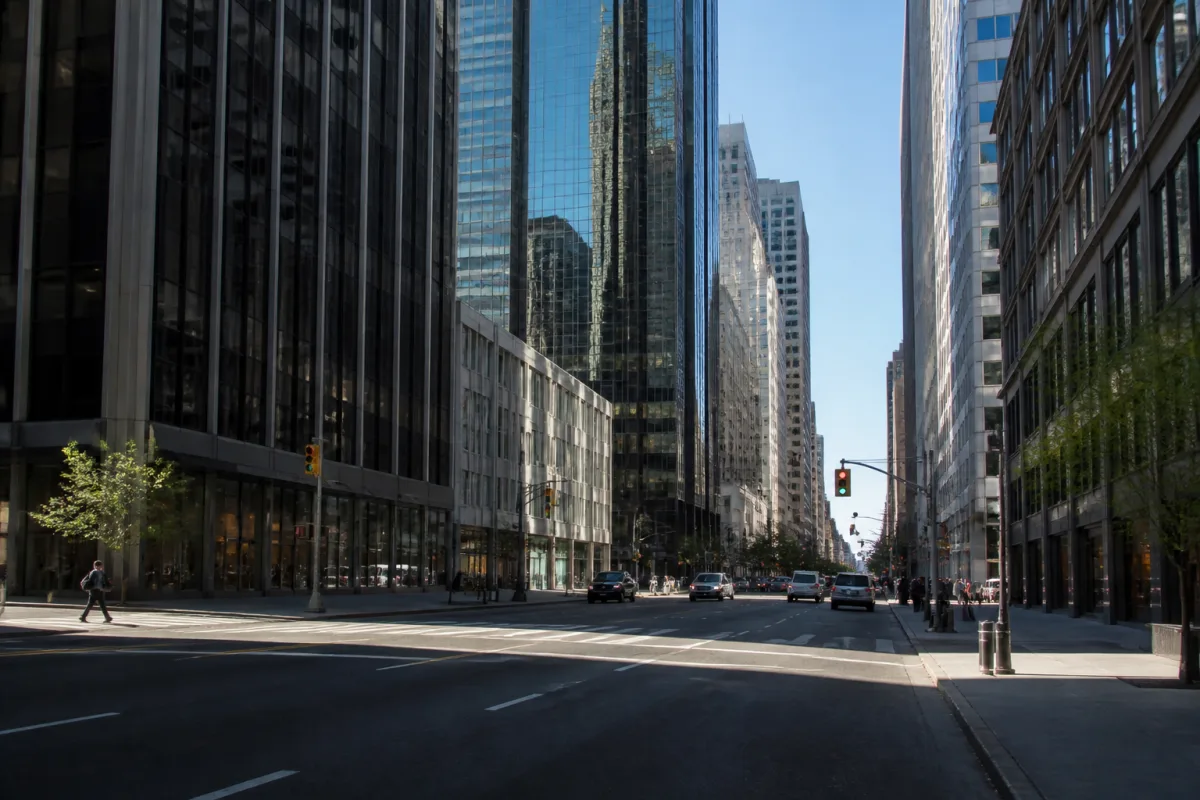

The immigration agency ICE plans to hire private intelligence analysts who will gather information exclusively on migrants. The resulting dossiers could reach prosecutors and judges and be used for new arrests. Asylum seekers whose claims contradict the data found are at particular risk.
What’s known about the unit
The unit is called ERO One. It’s not a department within ICE but a group of private contractors that ICE is hiring.
The hiring plan became known through a tender — a government solicitation posted on a procurement website. The project has a budget of $100 million. The statement of work specifies that the contracting company must hire 142 intelligence analysts. They will work in 24 ICE offices, including in Chicago, Miami, and New York. Contractor staff will be granted Top Secret clearance.
What the analysts will do
The statement of work describes their task as “analyzing links between people, organizations, places, and events, comparing new information with historical data, and identifying patterns.”
Analysts will gather information and pass it to ICE, which will then use it to decide whom to detain. Previously, information gathering was targeted; now it will become mass-scale.
How the information could be used against an applicant
According to the analysis, the data collected could end up in a dossier or a memo for the court and prosecutor. Three scenarios are possible.
First: analysis of connections and places of residence could become grounds for transferring the case to the state or city where the applicant is physically located. And if authorities conclude the applicant is misleading them, that could be grounds to consider the case unreliable — resulting in denial and deportation.
Second: tracking a digital footprint, such as regular cash deposits to a card or visits to the same location. Such a pattern could raise suspicion of unauthorized work. If the applicant denies working while the data contradicts this, the case could be called into question, which likewise leads to denial and deportation.
Third: access to social media. Private accounts and social media details not disclosed in the case could conflict with what was stated in the application, for example a claimed sexual orientation.
In the end, any information an applicant wanted to hide could be used against them.
What to check in your own case
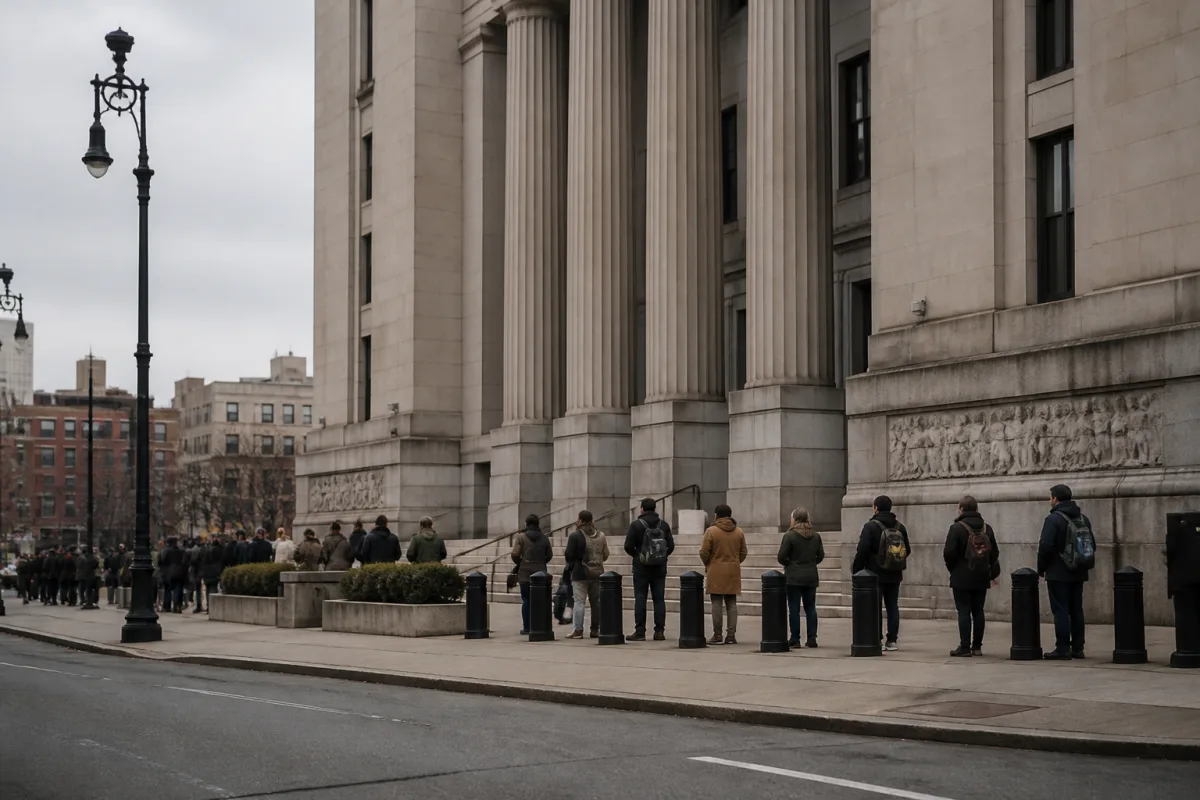
Data collection will be initiated by the analysts, so dossiers may be built without referring to existing databases. That’s why, when preparing a case, it’s worth carefully recalling everything the applicant has ever told the authorities about themselves and checking whether their actions in the US contradict it.
Once ERO One begins operating, such contradictions could become a serious problem. The case needs to hold up not as of the date of arrival in the country, but as of the moment of the hearing or interview.

Comments
Reader experience is useful, but it is not advice: check the rules on the official site.
No account needed: click Sign in, type any name, and you are done.