Can You Fly Domestically in the US With an Overstayed Visa: ICE Detention Risks
Does ICE detain overstayers on domestic flights? Yes, risk is high even with a pending adjustment of status — here's what actually determines it.
VisaProAdviserVisas, migration and life abroad
Immigration enforcement by ICE in the US: who faces arrest at airports, check-ins and truck stops, family plans, and habeas corpus or bond after detention.
10 articles tagged ICE
Does ICE detain overstayers on domestic flights? Yes, risk is high even with a pending adjustment of status — here's what actually determines it.
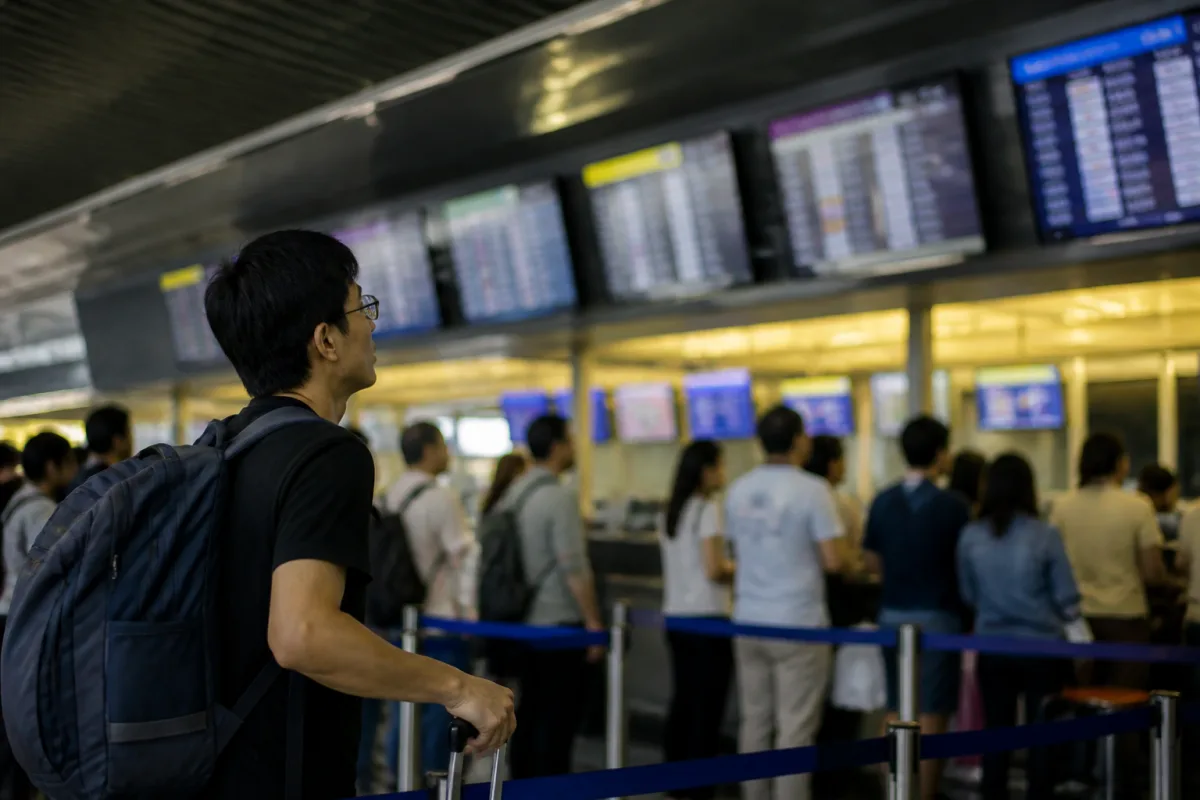
Yes: ICE now cross-checks domestic flight passengers through TSA's Secure Flight system. Arrests reported at 15+ airports — who's at risk in 2026.
In the past six weeks, ICE has started detaining people at airports on domestic flights. Risk falls on those awaiting TPS and asylum decisions.
How to file habeas corpus within 24 hours of an ICE arrest, which documents you need in advance, and why speed matters more than the quality of the petition.
How to prepare for a possible ICE detention: gathering information, assigning an attorney, and a family action plan. What to do in the first hours after detention occurs.
Mass ICE inspections in the trucking industry will affect drivers even with work permits. Which states are most dangerous and how to avoid detention.
U.S. Immigration and Customs Enforcement (ICE) is an agency of the Department of Homeland Security, created in 2003 after the Immigration and Naturalization Service was dissolved. Its Enforcement and Removal Operations division handles arrests, detention and deportations, while Homeland Security Investigations handles criminal cases. ICE is often confused with CBP, which controls borders and ports of entry, and with USCIS, which decides applications such as green cards and asylum filed affirmatively.
After an arrest, ICE may release a person on bond, on an order of supervision or under an Alternatives to Detention program that requires regular check-ins. If ICE refuses release, the detainee can ask an immigration judge at EOIR for a bond hearing, although some categories fall under mandatory detention. A habeas corpus petition is a separate remedy: it is filed in federal district court and challenges whether the detention itself is lawful.
Green card holders stopped while traveling are sometimes offered Form I-407, which records a voluntary abandonment of permanent resident status. Signing it is not required, and only an immigration judge can take away permanent residence from someone who refuses.