


In September 2026, the Federal Motor Carrier Safety Administration in cooperation with immigration authorities ICE is conducting mass inspections in the trucking industry. Truck drivers are at risk even if they have a valid work permit — a minor violation is enough to end up in detention.
Who is at risk
All truck drivers without a green card or U.S. citizenship are in danger. The risk remains even with a valid CDAL and work permit. Inspections will affect not only those working illegally.
Particularly vulnerable are drivers who came on a tourist visa, filed for asylum, and then got a job without the necessary status. Immigration authorities are looking for drivers with limited English language skills and people who violated their visa conditions, for example, starting work instead of studying.
Asylum applicants with a CDAL are in a special position: federal authorities no longer issue primary licenses to applicants, and old ones stopped renewing them. If you still have a CDAL, this is a rarity.
Where and how inspections take place
Mass raids affect truck driving schools, trucking companies, and drivers themselves. Authorities look at schools for violations of licensing rules and hiring of illegal workers. At companies, they look for drivers hired without work authorization.
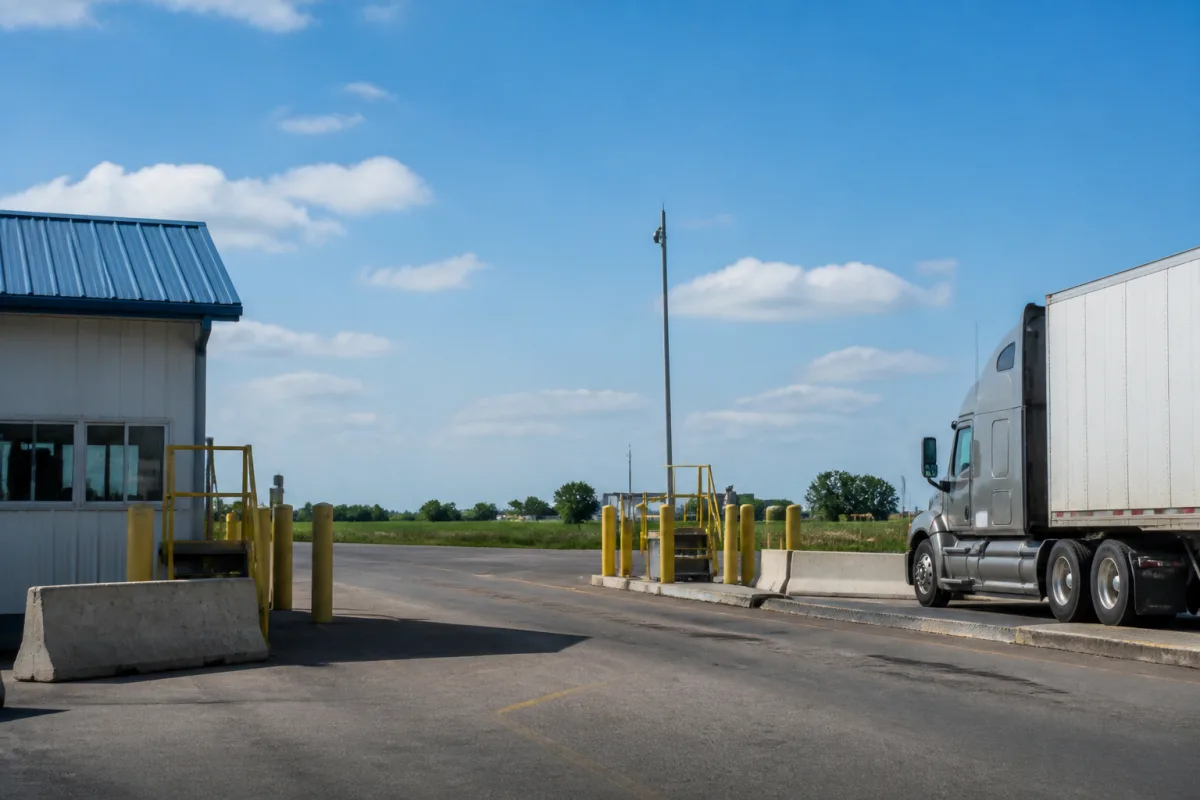
The most typical scenario is a stop at a weigh station or during a traffic violation. A police officer calls ICE if they see document problems or if the driver fails an oral English test. Any errors in logbooks or cargo documents can trigger a status check.
States with the highest risk
Immigration authorities are most active in eight states: Iowa, Indiana, Oklahoma, California, South Carolina, Georgia, New York, and Florida. Michigan is also on the list of hotspots. If you live or haul cargo in these states, be especially careful.
The trap of minor violations
Authorities use a scheme where even a minor traffic violation can cost you your freedom until trial. Typical scenario: you are stopped for speeding or bypassing a weigh station, issued a ticket, and ICE is called. After detention, when considering a bail release application, the judge uses this violation as evidence that you pose a danger to U.S. citizens. Result — you remain in detention instead of being released on bail, and waiting for trial can stretch for months.
What documents won’t save you
No papers you take on a run will guarantee your release on bail if detained. This applies to a copy of your asylum case, petition receipt documents, cargo documents, and even proof that you have been in the country for more than two years. In practice, drivers stopped by ICE most often remain in detention and await trial without the possibility of bail.
What to do right now
Keep a copy of your asylum case in the cloud to quickly access it if needed. Memorize your Social Security number and your lawyer’s contact information — you will need them when detained.
When in contact with immigration officers, behave as professionally as possible and do not sign anything without a lawyer. Provide your lawyer’s contact information and a copy of your case to your family — if you are detained, they will try to find you through your lawyer. This is necessary to quickly file a Habeas Corpus petition and prepare materials for a bail hearing.



Comments
Reader experience is useful, but it is not advice: check the rules on the official site.
No account needed: click Sign in, type any name, and you are done.