
In mid-August 2026, Mount Etna’s eruption disrupted air travel across Sicily, Italy opened talks with Rwanda on holding centres for migrants outside the EU, and the UK Home Office began mass revocations of Italian nationals’ status under the EU Settlement Scheme.
In short
- Mount Etna’s eruption led to around 700 flight cancellations at Catania airport between 8 and 14 August, with restrictions extended until the morning of 14 August
- Italy is in talks with Rwanda, Uganda and Ghana on migrant centres outside EU territory, modelled on its existing Albania scheme
- The UK Home Office has revoked EU Settlement Scheme status for more than 100 EU citizens over unproven citizenship before 31 December 2020
- Italy sees an average of 285 car thefts a day, with the south and islands accounting for around 61% of all cases nationwide
- Demand for anti-theft insurance has risen from 14% of drivers in 2022 to 24% now
Mount Etna Eruption Paralyses Catania Airport
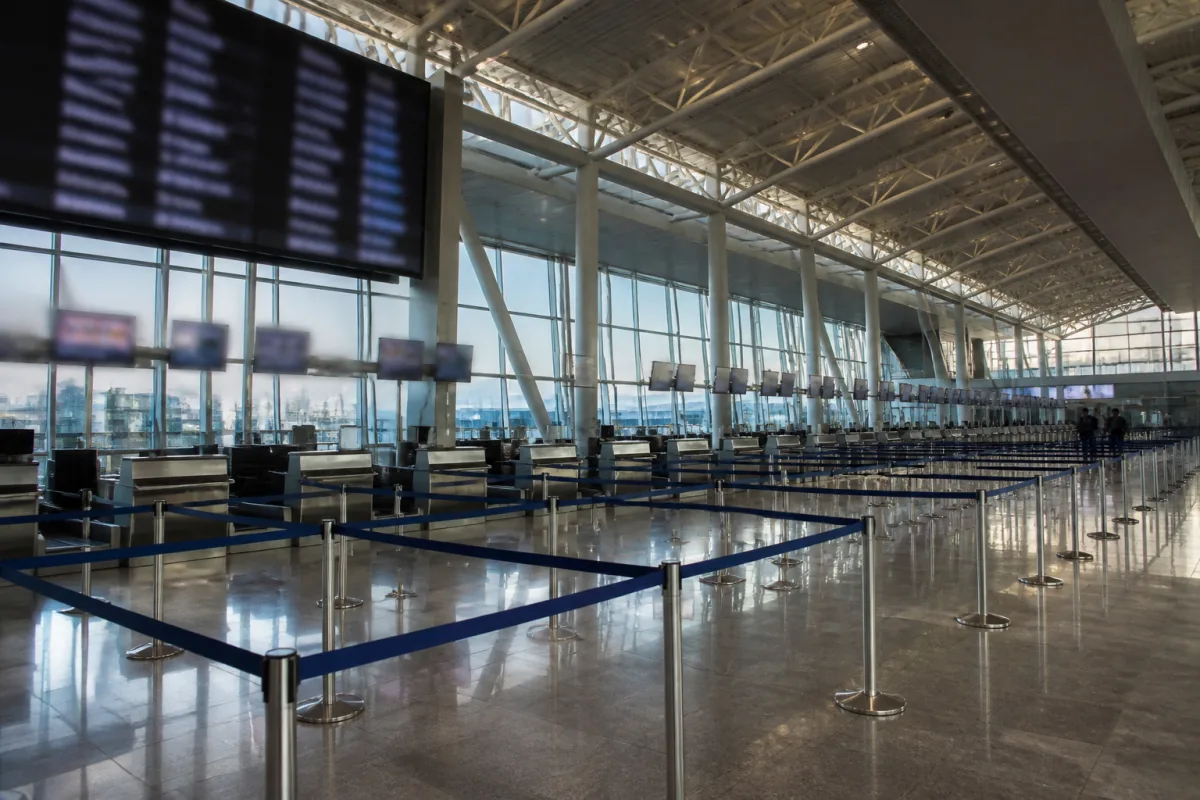
According to airport operator SAC, around 700 flights were cancelled at Catania airport between 8 and 14 August due to the eruption of Mount Etna, with more than 350 additional aircraft diverted to other airports — most landing at Comiso, Palermo and Trapani. Comiso airport, which had also briefly closed because of volcanic ash, has since resumed operations.
SAC said that airspace restrictions caused by ash emissions have been extended until the morning of 14 August. Passengers were advised to check their flight status with their airline before heading to the airport.
Civil Protection Minister Nello Musumeci said the core problem is not the eruption itself but Catania airport’s location: a relocation was already proposed back in 1999 because of its proximity to the active volcano. Nearly three decades on, the airport still sits in the same spot — and it is still the first piece of infrastructure to shut down every time Etna erupts again.
Nearly three decades on, the airport still sits in the same spot — and it is still the first piece of infrastructure to shut down every time Etna erupts again.
Airspace restrictions have been extended until the morning of 14 August. Before heading to Catania airport, it’s worth checking your flight status with your airline.
Italy and Rwanda Discuss Migrant Return Centres
Italy is in talks with Rwanda about setting up centres for migrants who have no right to remain in the EU and are awaiting return to their countries of origin. Rwandan officials have confirmed that consultations with Rome are indeed underway, though no final decisions have been made.
Under Italy’s plan, part of the process of preparing migrants for return could take place outside the European Union. Rome already runs a similar model with centres in Albania. Under this approach, the procedures tied to awaiting return home happen outside EU territory — this does not formally change a migrant’s legal status, but it eases pressure on reception centres inside the bloc. According to Italian media, the talks may extend beyond Rwanda to Uganda and Ghana, and Italy hopes to bring other EU countries into the project as well.
One option under discussion is drawing on the experience of the Emergency Transit Mechanism centres in Rwanda. Since 2019, these centres have received refugees and asylum seekers evacuated from Libya — meaning the country already has the infrastructure and practical experience of working with this category of people.
UK Revokes Italians’ Status Under the EU Settlement Scheme
The UK Home Office has revoked the permanent residence status of a 33-year-old Italian engineer — a decision he is now contesting (c72, c73). He has lived in London since 2018, where he earned a doctorate in energy and climate change (c74, c75). He had obtained settled status under the EU Settlement Scheme, a programme created after Brexit specifically to secure EU citizens’ right to remain in the UK (c76, c77).
British authorities now say the status was granted in error: the engineer did not prove he held Italian citizenship before 31 December 2020, the date the UK’s withdrawal from the EU became final (c78, c79, c80). The review has also put his Brazilian wife’s status at risk: the couple had been planning to start a family and buy a house, but those plans are now on hold (c81).
According to British media, more than 100 people have received similar revocation notices in recent days (c82). The independent body monitoring compliance with the UK-EU withdrawal agreement has already expressed concern over the Home Office’s actions (c83). The department maintains that status granted in error does not automatically confer a right to remain if the person did not meet the scheme’s requirements in the first place (c84).
The department maintains that status granted in error does not automatically confer a right to remain if the person did not meet the scheme’s requirements in the first place.
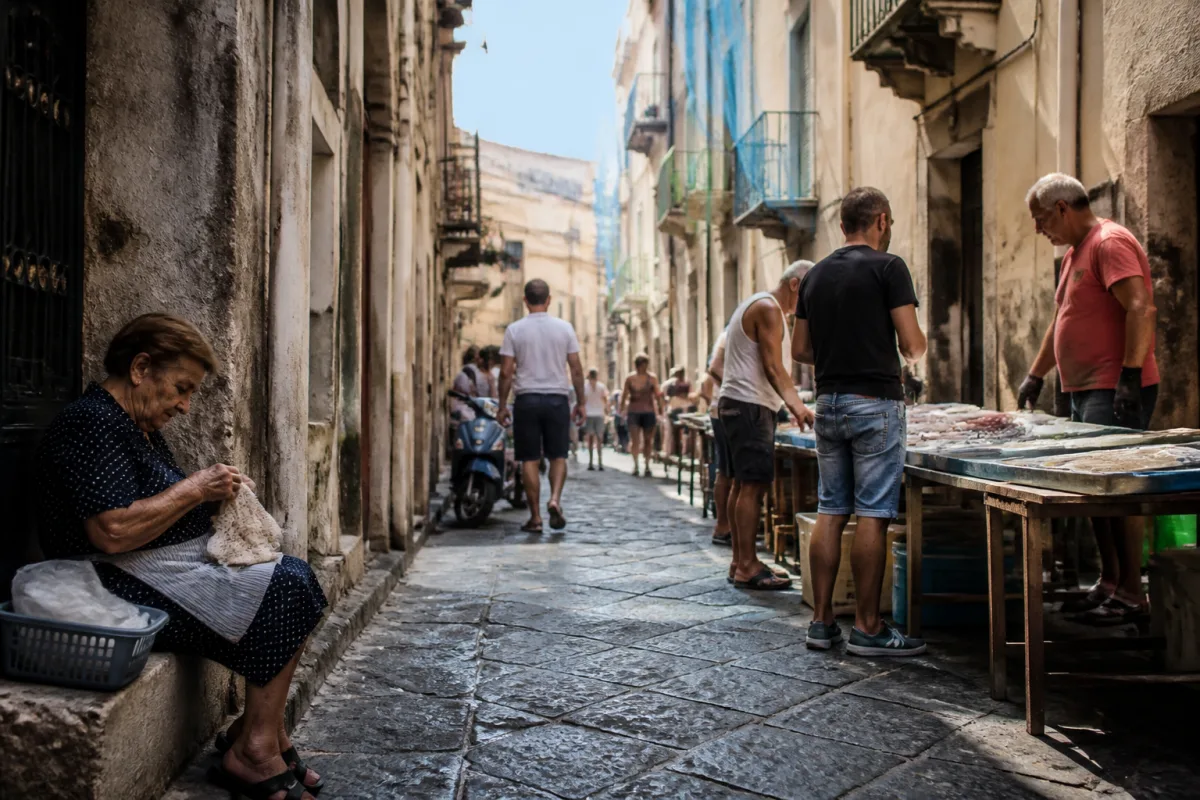
The UK Home Office revoked an Italian engineer’s settled status years after it was granted, ruling it had been issued in error because he did not prove citizenship before 31 December 2020. More than 100 similar notices have already gone out.
Jewish Tourist Attacked Twice in Central Rome
A 22-year-old French tourist of Jewish origin was attacked twice in two days in central Rome. According to the carabinieri, on 7 August in Piazza Cairoli a 31-year-old Algerian national approached him and sprayed an irritant in his face. The following day, in the area of Largo di Torre Argentina, the tourist was attacked and beaten by a group of four men.
The victim told investigators that shouts of “Free Palestine” were heard during both attacks. He identified one of the attackers — a 30-year-old Algerian national with a prior criminal record and no fixed address. The identities of the other assailants are still being established.
Car and Motorcycle Thefts: A Regional Breakdown
An average of 285 cars and around 90 motorcycles and scooters are stolen in Italy every day — over a year, more than 136,000 vehicle owners fall victim to theft. Based on Eurostat data, the country records around 231 vehicle thefts per 100,000 residents — reportedly the fourth-highest rate in Europe, after Luxembourg, Switzerland and Sweden.
One region of the country leads in absolute numbers, with more than 26,000 car thefts recorded there in a year.
The geography of thefts is uneven:
- southern Italy — around 45% of all cases;
- central regions — around 20%;
- the islands — around 16%.
Together, the south and the islands account for roughly 61% of all thefts in the country.
Against this backdrop, demand for anti-theft insurance is rising: in 2022, 14% of drivers took out such coverage; now the figure stands at 24%.
Where Vehicle Theft Is Most Common in Italy
Share of car thefts by region of the country
- Southern Italy45%
- Central regions20%
- Islands16%
Southern Italy accounts for around 45% of vehicle thefts, and the islands for 16%. Together these regions make up roughly 61% of all cases nationwide.
Buy Now, Pay Later Comes to the Grocery Aisle
Since the start of August, supermarket chain PVEKS has allowed customers to pay via Klarna, both at checkout and online. In September, another major Italian chain — not yet named — plans to launch a similar service.
Buy Now Pay Later lets shoppers split payment into three interest-free instalments or settle the balance within 30 days. Longer instalment plans may carry interest. Signing up is simpler than getting a bank loan: usually all that’s needed is the app and a bank card.
Experts warn the scheme carries an extra risk when applied to groceries: if used every week, a shopper ends up paying off purchases from two or three months ago at the same time as new ones. Klarna says it screens every transaction and caps the total amount of a customer’s outstanding spending.
In November, new EU-wide rules took effect bringing Buy Now Pay Later services under consumer credit regulation. In Italy, the corresponding requirements are currently being drawn up by the Bank of Italy.
How Buy Now Pay Later Regulation Is Changing
From November, BNPL services in the EU fall under consumer credit rules
- Status of BNPL services
Using Buy Now Pay Later weekly for groceries means paying off purchases from two or three months earlier at the same time as new ones — an easy way to build up debt unnoticed.
Two Child Burglars, Aged 10 and 11, Arrive in Padua by Train
On 8 August in Padua, police detained two cousins aged 10 and 11 after they were caught trying to break into an apartment. A neighbour spotted one of the boys on her balcony, attempting to get inside through an open door. When she shouted, the child jumped into the garden and tried to flee with his cousin, but a neighbour held both boys until police arrived.
The children had no identity documents on them. In the younger boy’s backpack, police found a mobile phone and a screwdriver. At the police station it emerged that one boy was 10 and the other 11, with one holding North Macedonian citizenship and the other Italian. According to their account, they had boarded a train in Bologna on their own that morning and travelled to Padua.
Because of their age, the children cannot face criminal charges — after unsuccessful attempts to reach relatives, they were handed over to social services. Police are investigating whether adults were behind the trip, possibly using the children’s young age for their own purposes.
A Teacher Without a Permanent Contract: 18 Years of Temporary Work
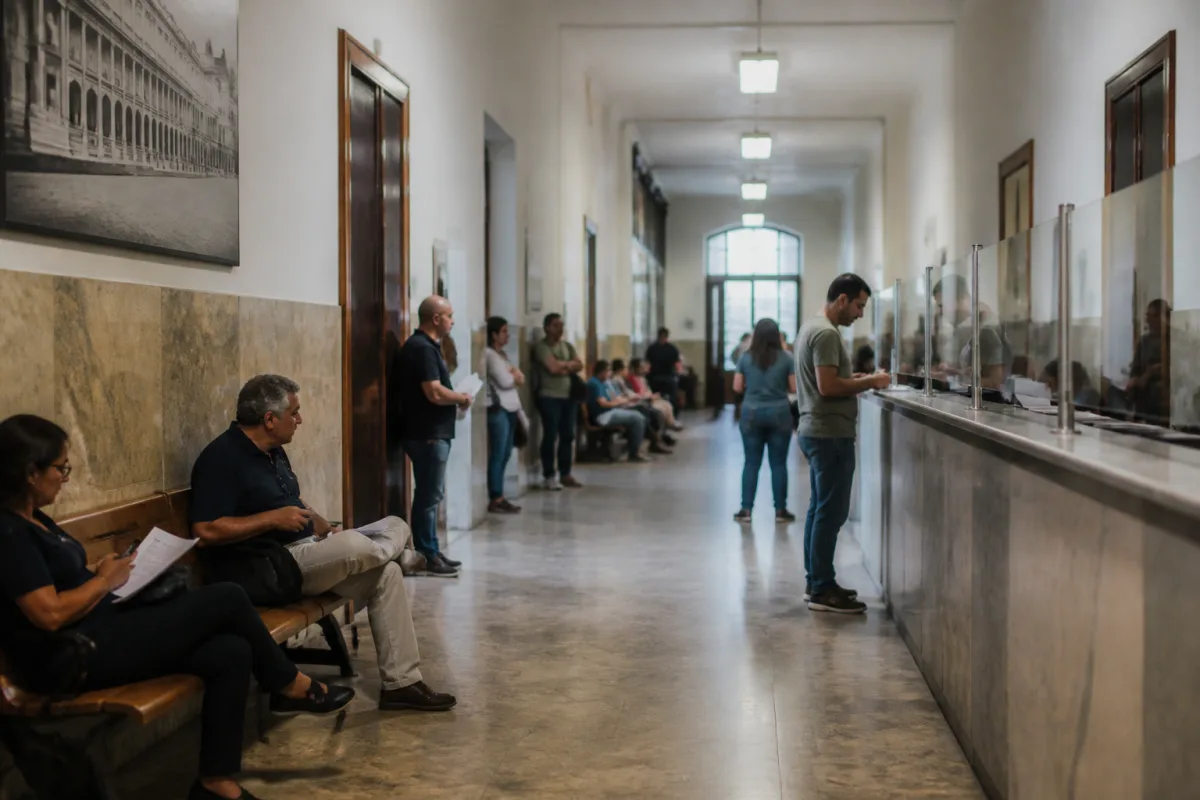
Roberta Cecchini is 55, holds two university degrees and is qualified to teach eight subjects — yet after 18 years working in schools around Rimini and the surrounding province, she has never landed a permanent contract. In that time she has worked at 13 different schools and entered several competitions for permanent posts, coming away empty-handed every time. In 2025, she was passed over in favour of younger candidates who earned extra points for academic achievements.
Every June her contract ends, and her salary ends with it. Over the summer, Cecchini lives on unemployment benefits, her own savings and help from her mother, who hands her 500 euros a month from her pension. Finding a side job hasn’t worked out either: a supermarket turned her down for being overqualified, so for a time she worked as a cleaner.
According to union data, around 30% of school staff in the region work on fixed-term contracts — Cecchini’s story is not the exception but standard practice in Italy’s school system. As she puts it herself, a permanent post is always promised, but no one knows when it will actually happen.
As she puts it herself, a permanent post is always promised, but no one knows when it will actually happen.
Frequently asked questions
What should a passenger do if their flight from Catania was cancelled because of Etna?
The airline is required to offer the passenger either a refund or rebooking onto another flight, and, where needed, transport to the airport the flight was diverted to. Operator SAC advises checking flight status directly with the airline before heading to the airport, since the eruption situation can change quickly.
Why hasn’t Catania airport been relocated, given the problem has been known since 1999?
Italian authorities have not given a clear answer to this question: the civil protection minister simply noted that the relocation proposal has gone unimplemented for nearly three decades. In that time, the airport has remained the first piece of infrastructure to shut down with every new Etna eruption, and no concrete plans for relocation have been announced.
What happens if someone’s EU Settlement Scheme status is revoked?
Revocation means losing the right to legally reside in the UK on the previous basis, and the decision has to be challenged on a case-by-case basis — as the 33-year-old engineer in this case is doing. The Home Office maintains that status granted in error does not automatically confer a right to remain if the person did not meet the scheme’s requirements from the start, so the outcome depends on the appeal.
Can family members’ status be affected if the main applicant’s EU Settlement Scheme status is revoked?
Yes, a review of one family member’s status can affect the others: in the case described, the status of the engineer’s Brazilian wife was also put at risk, since her right to remain derived from her husband’s status. As a result, the couple had to put shared plans, including buying a home, on hold until the situation is resolved.
Where can someone turn if they believe a UK residency revocation is unfair?
In the UK, an independent monitoring body oversees compliance with the UK-EU withdrawal agreement, and it has already expressed concern over the mass revocation of EU Settlement Scheme statuses. Alongside raising the matter with this body, a Home Office decision can also be challenged directly, as the affected engineer in this case is doing.
How quickly are these status revocations spreading in the UK?
Based on British media reports, this is not an isolated case: more than 100 people have received similar revocation notices in recent days. This suggests the Home Office is reviewing statuses in batches rather than one applicant at a time, meaning other EU Settlement Scheme holders who obtained status in similar circumstances could also come under review.
Is there a risk in using Buy Now Pay Later for recurring purchases like groceries?
Yes, experts specifically warn about this risk: using instalment payments every week means a shopper ends up settling several payments for purchases made two or three months earlier at the same time as new ones. A single instalment purchase isn’t a problem, but using the service regularly for weekly spending gradually builds up overlapping obligations.
Who will regulate Buy Now Pay Later services in Italy?
In Italy, the relevant requirements are currently being drawn up by the Bank of Italy, following new EU-wide rules that took effect in November classing such services as consumer credit and requiring national implementation. Until Italy’s specific rules are adopted, services like Klarna operate under the general EU framework.
How are rising vehicle thefts and rising demand for anti-theft insurance connected in Italy?
A direct rise is only shown in the insurance demand figures: in 2022, 14% of drivers took out such coverage, versus 24% now. This is happening against a backdrop of persistently high theft rates — around 231 cases per 100,000 residents, placing Italy fourth in Europe — which helps explain why more car owners are choosing extra insurance.


Comments
Reader experience is useful, but it is not advice: check the rules on the official site.
No account needed: click Sign in, type any name, and you are done.