
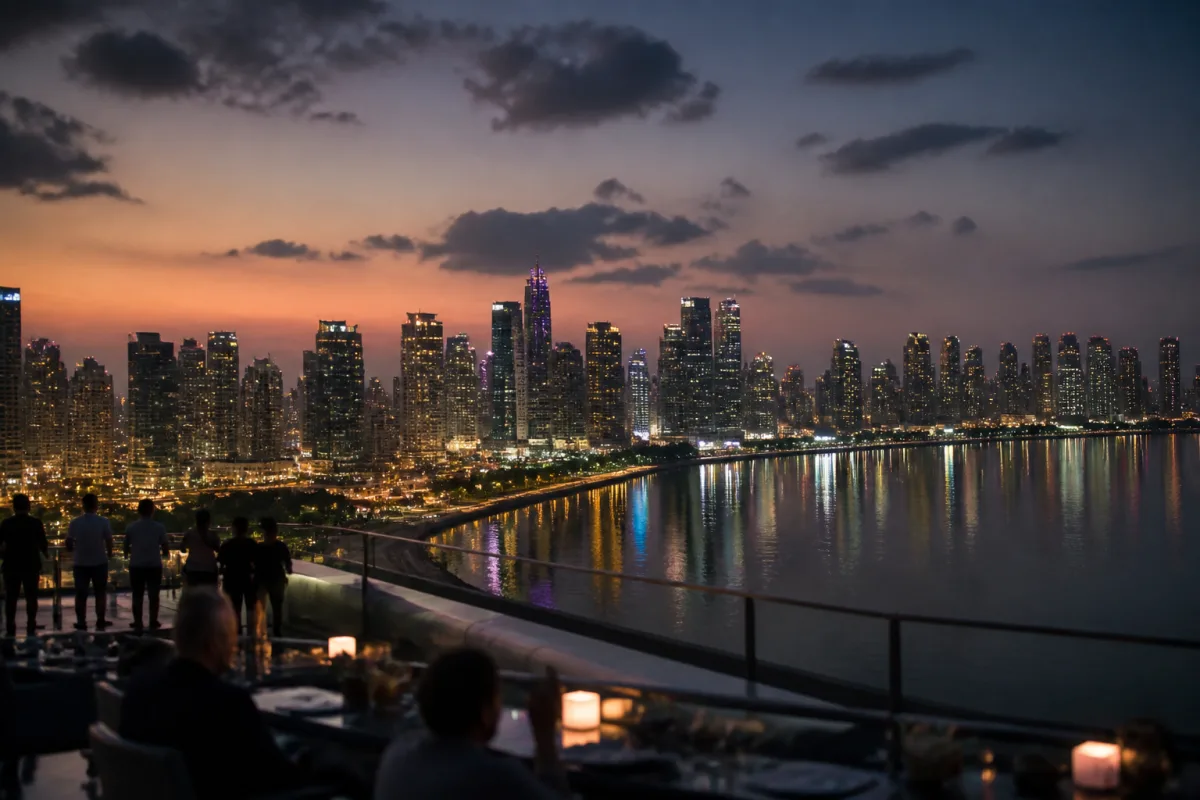

Since September 2026, the minimum investment for Panama’s Qualified Investor Visa has risen from $300,000 to $500,000 — though buying pre-construction property backed by a developer’s bank guarantee still keeps the threshold at $300,000, for now.
In short
- Since September 2026, the minimum investment for the Qualified Investor Visa has risen from $300,000 to $500,000
- The $300,000 threshold survives only for off-plan property with a developer bank guarantee, which is available only to large developers
- Deals made earlier without a guarantee have a roughly 6-month transition window to file for protection of acquired rights
- The Qualified Investor Visa grants permanent residency immediately, unlike the Friendly Nations Visa’s two-year temporary status
- Citizenship eligibility arrives after 5 years of residency, but the law doesn’t define what “residency” actually means
What changed: the investment threshold rose to $500,000
According to available information, the minimum investment threshold for the Qualified Investor Visa rose from $300,000 to $500,000 — effectively doubling the requirement. The change took effect in September 2026, and it came with almost no warning: the increase had been discussed before and repeatedly postponed, but never formally cancelled.
The change took effect in September 2026, and it came with almost no warning
Before this change, a $300,000 investment granted permanent residency immediately — without the intermediate temporary-status stage that other programs require. That mechanism survives the increase: the visa type and the status it confers haven’t changed, only the entry amount has gone up.
No official reason for the increase has been given. The type of property the money goes into doesn’t affect the required investment amount.
Investment threshold for the Qualified Investor Visa
The entry amount doubled, the visa status stayed the same
- Minimum investment
The investment threshold for the Qualified Investor Visa rose from $300,000 to $500,000 in September 2026. The visa type and status it confers (immediate permanent residency) haven’t changed — only the entry amount has.
The loophole: staying at the $300,000 threshold
The $300,000 threshold still applies to those investing in pre-construction property — so-called off-plan real estate, sold before construction is finished. The rule covers apartments, houses, and land, provided the property is titled and registered in the public land registry.
But the loophole doesn’t work with just any developer. To qualify for the $300,000 threshold, the construction company selling the property must provide a bank guarantee. This guarantee doesn’t vouch for the investor’s solvency — it certifies the developer’s own financial stability, and only the largest developers in Panama can obtain guarantees like that. For every other project, the formally preserved threshold is, in practice, out of reach.
only the largest developers in Panama can obtain guarantees like that
What kind of property qualifies
The type of property doesn’t matter for the $500,000 investment route — all of the following qualify:
- an apartment;
- a house;
- a plot of land.
There’s one mandatory condition for any of these: the property must be titled and registered in Panama’s public land registry (Registro Público). Without registered ownership of a specific property, the investment doesn’t count toward the visa.
Requirements for the developer’s bank guarantee
Only large Panamanian developers are able to obtain this kind of bank guarantee. If the property is bought from a smaller developer, the odds that it can provide the required guarantee are low — and without it, no certificate for the visa is issued.
That leads to two practical steps before buying:
- confirm that the developer is willing to issue the relevant bank guarantee, at the property-viewing stage itself;
- consult a lawyer to verify that the specific property actually qualifies for the Qualified Investor Visa.
A mistake here is irreversible: buying a property that doesn’t meet the guarantee requirements forfeits eligibility for the $300,000 threshold — and this often only comes to light after the deal is already closed.
Two steps before buying property at the $300,000 threshold
Checking the developer and consulting a lawyer reduce the risk of losing visa eligibility
- Confirm the developer’s willingness to issue a bank guaranteeat the property-viewing stage
- Consult a lawyer on whether the property qualifies for the Qualified Investor Visa
Buying property from a developer who can’t provide a bank guarantee forfeits eligibility for the $300,000 threshold — and this often only becomes clear after the deal is closed.
At the property-viewing stage, ask the developer whether it can issue a bank guarantee, and consult a lawyer to confirm the property qualifies for the Qualified Investor Visa.
What to check before buying property at the $300,000 threshold
What to do if you’ve already bought property: a 6-month transition window
Buying off-plan property through a promissory note without a bank guarantee previously required no documentation beyond the contract itself. For those who already went this route before the change, a transition period applies: according to available information, roughly 6 months to file an application protecting previously acquired rights.
If the application is filed within that window, the investment counts toward the old threshold — $300,000, without a bank guarantee. If the deadline is missed, the deal no longer meets the Qualified Investor Visa requirements: an investor with a $300,000 budget won’t be able to use it as grounds for the visa and effectively falls back to needing the new $500,000 threshold.
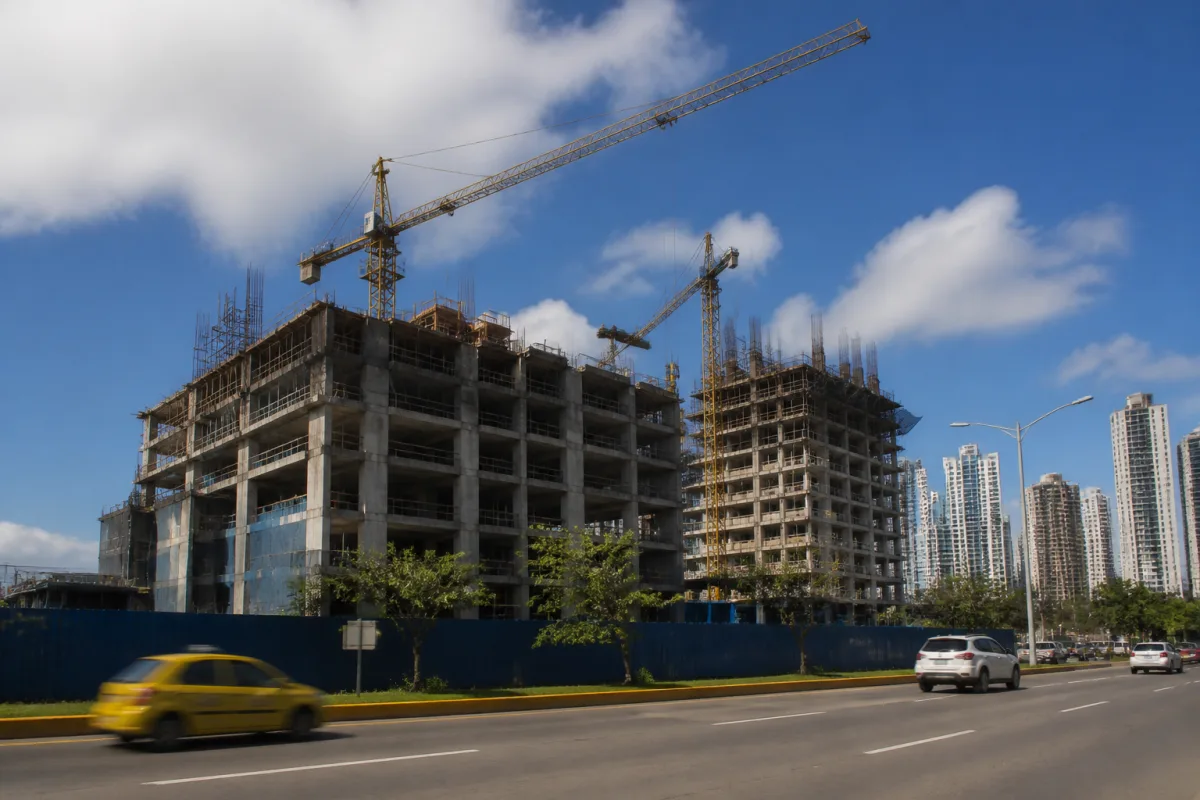
Applications protecting previously acquired rights have roughly a 6-month window. Miss it, and a $300,000 deal no longer meets the visa requirements.
Qualified Investor Visa vs. Friendly Nations Visa
| Qualified Investor Visa | Friendly Nations Visa | |
|---|---|---|
| Minimum investment | $500,000 (or $300,000 under the pre-construction exception) | $200,000 |
| Status after investment | permanent residency immediately | temporary residency |
| Waiting period before permanent status | none | typically two years on temporary status |
| Path to citizenship | after 5 years | depends on transition to permanent status |
The gap in investment amount isn’t the only reason Qualified Investor Visa holders accept the higher entry cost. The Friendly Nations Visa, at a $200,000 investment, grants only temporary residency, while the Qualified Investor Visa grants permanent residency immediately, with no two-year wait on temporary status. That’s why the question “why pay more when Friendly Nations is cheaper” comes down not to the amount, but to how fast permanent status arrives.
Qualified Investor Visa vs. Friendly Nations Visa
| Criterion | Qualified Investor Visa | Friendly Nations Visa |
|---|---|---|
| Minimum investment | $500,000 (or $300,000 under the pre-construction exception) | $200,000 |
| Status after investment | permanent residency immediately | temporary residency |
| Waiting period before permanent status | none | typically two years on temporary status |
| Path to citizenship | after 5 years | depends on transition to permanent status |
Travel Passport for visa holders
Qualified Investor Visa holders are entitled to a Travel Passport — a Panamanian travel document issued even before the holder obtains Panamanian citizenship. The document lists the holder’s name and original nationality — for example, that they’re a citizen of Germany or Austria — while the passport itself is Panamanian.
The right to obtain a Travel Passport was established in November 2025. But as of August 2026, Panamanian authorities still hadn’t adopted the executive decree that would regulate the issuance of such passports — the documents themselves are not yet being prepared or issued.
Citizenship after 5 years: what “residency” actually means in practice
Permanent residency under the Qualified Investor Visa grants the right to apply for Panamanian citizenship after 5 years of residency. But the law doesn’t define what “residency” actually means in this context, and that creates a real risk for applicants.
Panama indeed sets no mandatory minimum period of physical presence in the country — in that sense, its requirements are more lenient than many countries’. By comparison, Paraguay, Uruguay, and Mexico require substantial physical residence in the country for naturalization.
Some Panamanian politicians have used this leniency to promote the program with promises that citizenship can be obtained with virtually no time spent in Panama — going as far as suggesting applicants don’t need to show up at all. The “5 years of residency” wording in the law is never spelled out and effectively rests on the discretion of the official reviewing the application.
going as far as suggesting applicants don’t need to show up at all
Any promise of citizenship without physical presence in the country deserves scrutiny. Lawyers and consultants are already saying outright that applications without sufficient time spent in Panama will be rejected — nowhere does the law guarantee otherwise in writing, and it clarifies neither a minimum amount of presence nor what the term “residency” itself is meant to cover.
The law doesn’t define what “5 years of residency” means for citizenship. It’s left to an official’s discretion, and lawyers call promises of citizenship without time spent in the country risky.
Frequently asked questions
What happens if I already filed for the Qualified Investor Visa at the old $300,000 threshold, but no decision was issued before the increase took effect?
There’s no information on the fate of applications already filed but not yet decided at the time of the increase — the only documented rule is the transition period for those who had already bought off-plan property via a promissory note without a bank guarantee.
Is the $300,000 pre-construction threshold permanent, or could it be scrapped too?
There’s no indication that the reduced threshold for off-plan property is guaranteed indefinitely — what’s known is that the general increase to $500,000 already happened with almost no warning, after being discussed and delayed multiple times, so further changes can’t be ruled out.

Comments
Reader experience is useful, but it is not advice: check the rules on the official site.
No account needed: click Sign in, type any name, and you are done.