
Sardinia offers financial support for buying and renovating a first home in small municipalities — up to €15,000. But this isn’t just a handout for moving there; it’s a reimbursement of half the expenses, with an obligation to live on the island for at least 5 years. The program isn’t open to everyone: you need to be an EU citizen or have legal grounds to reside in Italy.
How the Subsidy Program Works
Starting in 2026, the program covers towns with populations up to 5,000, up from the previous limit of 3,000 residents. Sardinia helps those who buy, renovate, or restore a first home in small municipalities.
The maximum amount of aid is €15,000, but this isn’t a gift just for moving. The subsidy covers up to 50% of expenses, but no more than €15,000. If you spent €30,000 buying or renovating a first home, you could theoretically get up to €15,000. If you spent less, the amount will be smaller.
This is a reimbursement of part of your expenses, not free money to live on.
The Main Condition: Permanent Residence
The house or apartment must become your permanent place of residence. This isn’t a scheme for people who want to buy a little house in Sardinia for vacations, come for 2 weeks in summer, and rent it out to tourists the rest of the time.
The region’s logic is simple: it needs permanent residents, people who will actually live in small municipalities, use local infrastructure, send their kids to school, pay taxes, and support the local economy.
After receiving the final payment, you must keep your registration at that address for at least 5 years. If you enter this program, you need to understand that this is a long-term commitment. Be careful: this is a public subsidy, and if the municipality starts checking actual residence, you could face problems, including having to repay the money.
Foreigners in the Program
Foreigners can take part in the program. Official clarifications explicitly state that an additional advantage may be given to those moving from another region of Italy or from abroad. In other words, foreigners aren’t excluded from the program. In fact, moving from abroad can be a plus when evaluating an application.
However, the program itself does not grant the right to enter and live in Italy. It’s not an immigration program and not a residence permit. If you’re an EU citizen, the matter is simpler. If you’re a citizen of a non-EU country, you must have legal grounds to live in Italy: an already valid residence permit, family grounds, work, business, long-term resident status, digital nomad status, or another suitable option.
Sardinia can give you a housing subsidy, but it doesn’t solve the immigration question for you.
Different Requirements in Different Municipalities
This isn’t a single system with a standard application for everyone. The region allocates the funds and sets general rules, but individual municipalities announce specific competitions. So deadlines, documents, criteria, and application procedures can differ depending on the specific municipality.
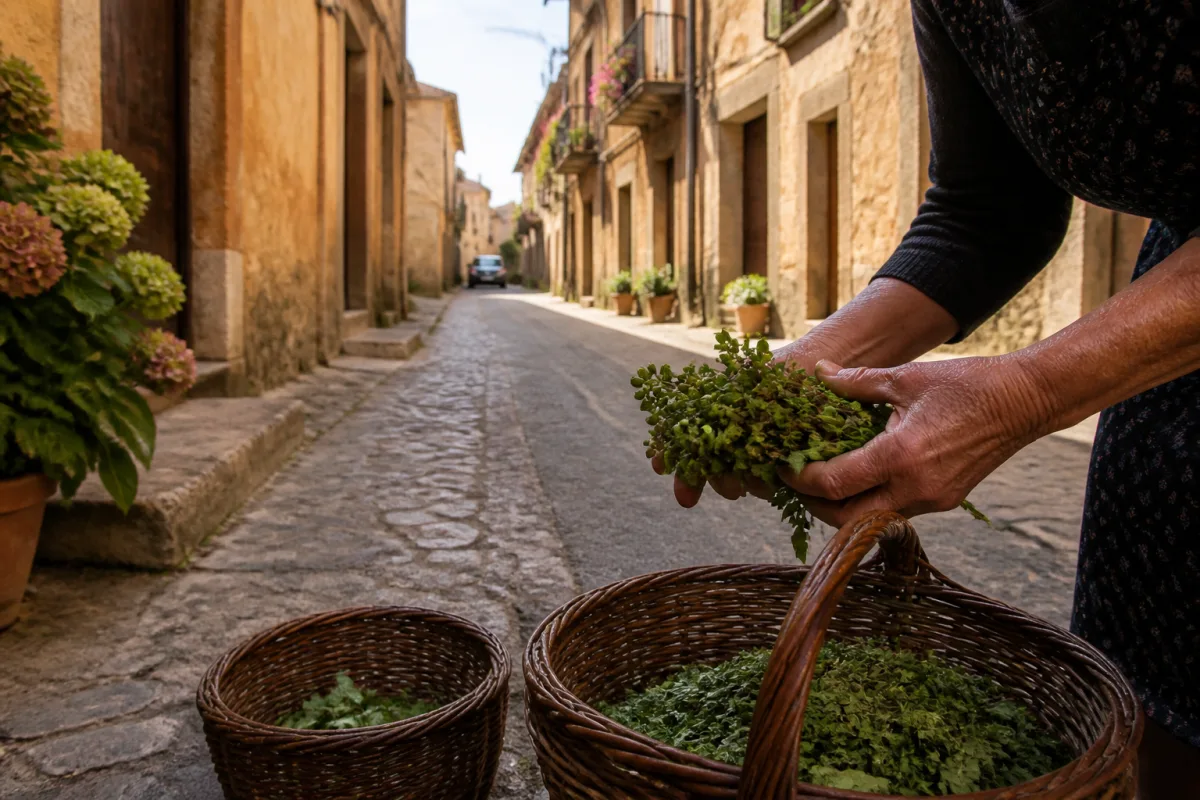
If you’re looking into the program, start with the municipality where you want to live. At the time of publication, applications were being accepted in Patada, Bugeru, Ales, Ruinas, and Simaxis. These are very different places: some are in the island’s interior, some are former mining areas, some are small farming communities, and some are towns not far from Oristano.
Don’t forget that in summer, temperatures in Sardinia can reach 45°C. Living near the sea and infrastructure is one thing; living in a small inland municipality, where it’s quiet and beautiful but you have to drive to a neighboring town for some services, is another.
Who This Program Is For
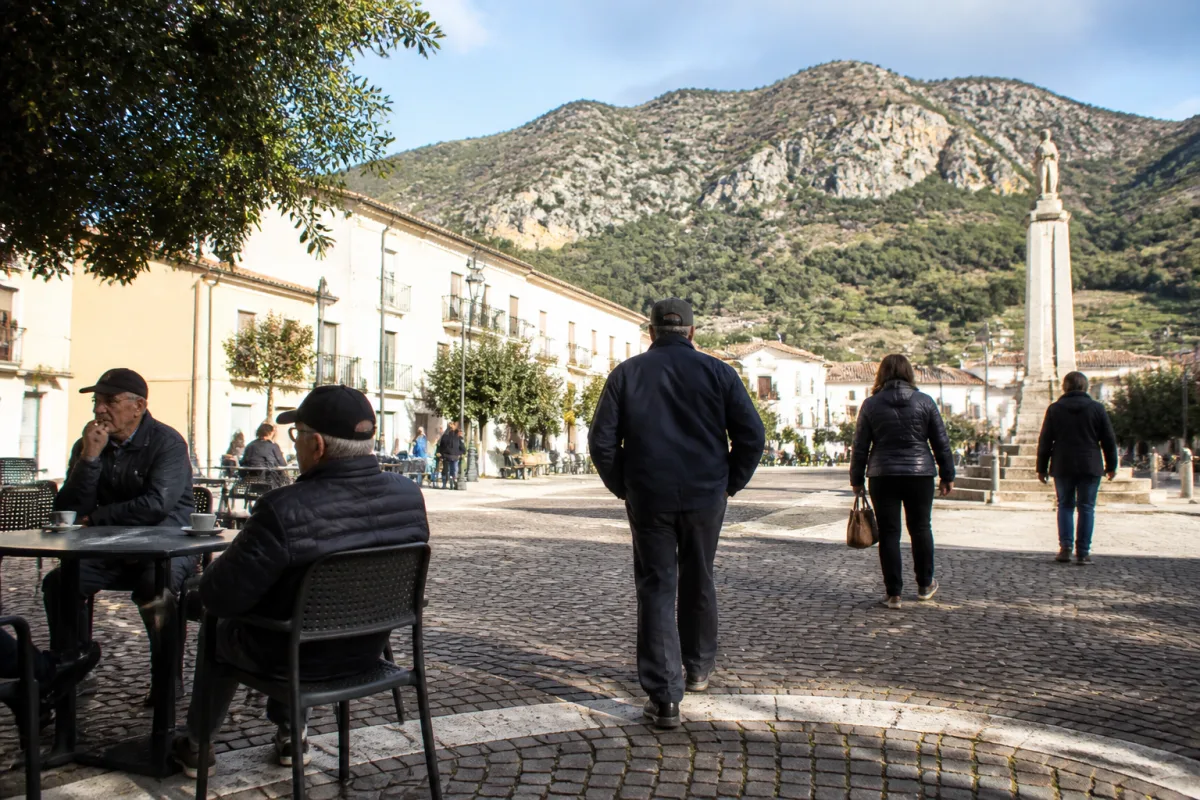
The program may appeal mainly to those who genuinely want a quiet life in a small town. That means families who work remotely, people who don’t depend on a large job market every day, and those willing to buy a home, fix it up, and actually settle there.
Having a family, having children, family size, and being under 40 years old can be a plus when an application is reviewed. In other words, the region isn’t just interested in property buyers — it’s interested in people who can bring small municipalities back to life and stay there for the long term.
This program definitely isn’t for those who just want to get money, who are moving in search of work (there’s little of it in Sardinia), or who want to live on the island only in summer.

Comments
Reader experience is useful, but it is not advice: check the rules on the official site.
No account needed: click Sign in, type any name, and you are done.