
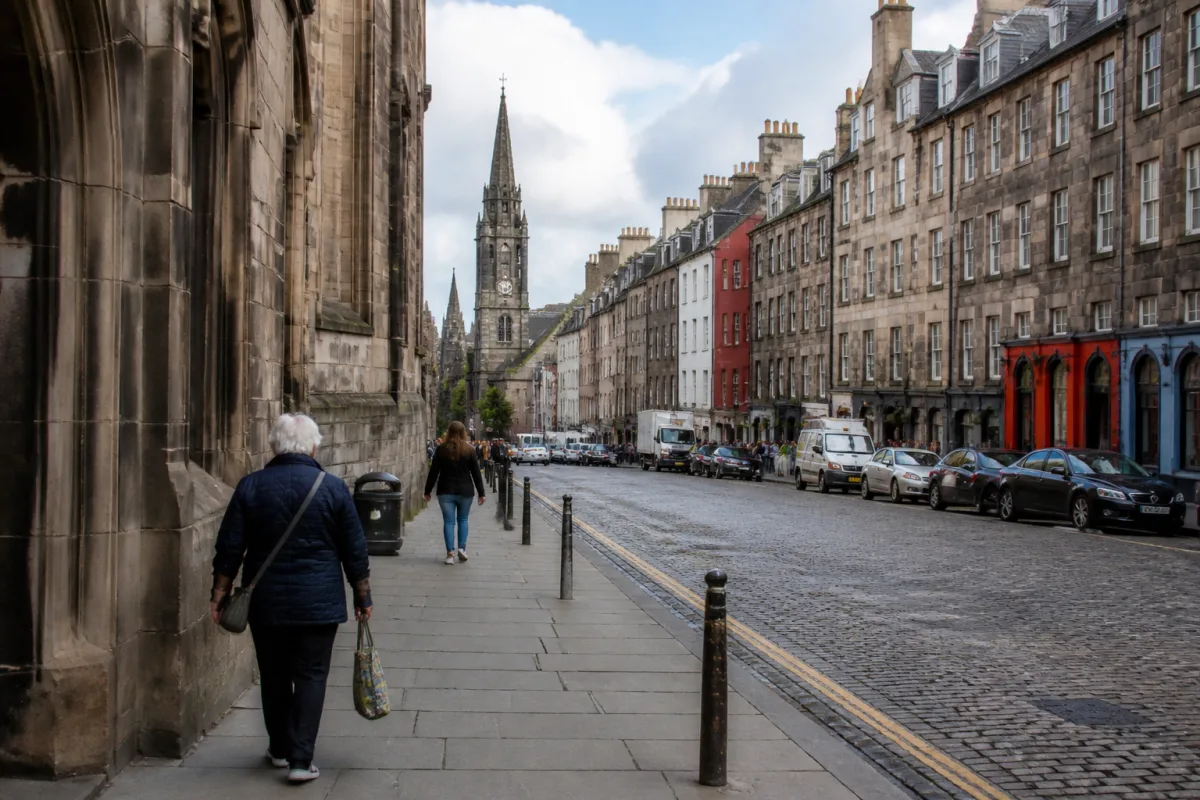

No, there is no separate Scottish visa: the Scottish Government proposed its own visa programme to Westminster, but immigration decisions rest solely with the parliament in London, and the proposal was not adopted.
In short
- Immigration rules are uniform across the UK and are set solely by Westminster — there is no separate Scottish visa
- From January, the PSW visa is being cut from 2 years to 18 months across all four nations of the United Kingdom
- The Scottish Visa proposal, with breaks on salary, tax and the IHS, was rejected by Westminster in full
- The Immigration Health Surcharge is £1,035 a year and is the same across the whole country
- Scammers charge £25,000–£35,000 for a non-existent ‘move to Scotland’ dressed up as early access to the proposal
Why UK immigration rules are the same across all four nations
The United Kingdom is made up of four nations: England, Wales, Scotland and Northern Ireland. Each has its own legal identity: England and Wales share a common legal system, Scotland has its own body of law, and Northern Ireland runs its own legal system too. These differences show up in family law and financial matters — divorce and division of property in Scotland, for instance, are governed differently than in England and Wales.
But immigration law is the exception to this pattern of devolution. Entry and visa rules are the same across the whole country and are set by the Westminster Parliament in London, regardless of whether an applicant is based in Scotland, Wales or Northern Ireland. Devolved administrations regulate matters within their own remit — from local councils to financial practices — but the final say on any law, immigration included, belongs to Westminster. So a visa case handled in Scotland follows exactly the same rules as one handled in London or Bradford: there is no separate immigration system for any single nation of the United Kingdom.
So a visa case handled in Scotland follows exactly the same rules as one handled in London or Bradford: there is no separate immigration system for any single nation of the United Kingdom.
Although Scotland and Northern Ireland have their own legal systems, immigration rules are uniform across the UK and are set solely by Westminster.
What the Scottish Government’s visa proposal actually offered
The Scottish Government drew up a formal proposal for a dedicated visa route — a Scottish Visa. The initiative was framed around a labour shortage and a push to accelerate regional economic growth separately from Westminster’s broader immigration policy.
The proposal rested on several points:
- no fixed salary threshold. Unlike the standard Skilled Worker Visa, which sets the bar at £41,700, the Scottish route was proposed to be opened at minimum wage — without a strict financial barrier for the employer;
- paying tax under the Scottish tax code as grounds for a future right to settle (Indefinite Leave to Remain) — that’s how it was framed in the proposal, which never received approval;
- a flexible sponsorship system for remote and rural areas with low population density: local businesses would gain their own sponsor licence, separate from the wider Scottish system, to attract workers specifically to those areas.
The proposal also included a carve-out for certain work routes in social care and elderly care — the detail behind rumours that an entire family, including a spouse and children, could relocate even while still abroad. But that was part of a rejected proposal, not an active visa: the plan never won approval from Westminster, which controls immigration as a reserved matter.
A Scottish Visa with flexible salary thresholds and tax breaks is a rejected proposal, not an active route. There is no separate Scottish visa.
What’s happening to the PSW (post-study work) visa, and what Scotland proposed instead
The PSW (post-study work) visa lets graduates of UK universities stay in the country and work after finishing their studies. From January, it is being shortened: the validity period is cut from 2 years to 18 months — a decision made at UK-wide level, applying to all four nations of the United Kingdom.
The Scottish proposal pushed in the opposite direction — not a cut, but a doubling of the term. The idea was for a graduate to first receive the standard 2-year PSW visa, then extend it for another 2 years, bringing the total post-study stay to 4 years.
For PhD graduates, the proposal was even more generous. Instead of the standard 2 years, doctoral graduates would get a 3-year PSW visa with the option to extend by 2 more years — 5 years of work in Scotland after completing a doctorate in total.
The contrast with Westminster’s actual decision is stark: where London trimmed the term by six months, Edinburgh proposed doubling it for master’s and bachelor’s graduates and adding two more years on top for PhD holders.
where London trimmed the term by six months, Edinburgh proposed doubling it for master’s and bachelor’s graduates and adding two more years on top for PhD holders

The Immigration Health Surcharge: what it costs, and what Scotland proposed changing
The Immigration Health Surcharge (IHS) is a fee applicants pay for access to the UK’s NHS healthcare system for the duration of their visa. It currently stands at £1,035 a year — a figure the Scottish Government’s proposal called excessive.
The same proposal asked for applicants on its separate visa route to be exempt from paying the IHS altogether, and for the immigration fee to be cut to a minimum level covering only the cost of running the system. This request was part of the wider Scottish Visa proposal submitted to the government in Westminster, and it was turned down along with every other element of the initiative.
How much NHS access costs on a UK visa
The Immigration Health Surcharge is paid for the full length of the visa, regardless of which UK nation the applicant is heading to
- Immigration Health Surcharge£1,035 per yearApplies across the whole United Kingdom
Scotland asked to scrap the IHS and lower the immigration fee for its own visa route, but the request was rejected along with the rest of the package — the £1,035-a-year fee applies UK-wide.
How scammers are exploiting rumours about a Scottish visa
Against the backdrop of news coverage about the Scottish visa proposal, scammers are already offering a relocation route that doesn’t exist, in exchange for money. In one documented case, a person was asked to pay £25,000 to relocate to Scotland with their whole family, including two children. In another version of the same scheme, the sum rose to £35,000 — supposedly for relocating the ‘entire family’, with a guaranteed outcome.
A guaranteed entry in exchange for a fixed sum is, by itself, a red flag for fraud: no official route matching these offers exists, and visa decisions are never sold. There is currently no separate Scottish visa at all, so any offer to buy one is an attempt at fraud.
A guaranteed entry in exchange for a fixed sum is, by itself, a red flag for fraud
What makes the scheme dangerous is that it piggybacks on real news coverage: people have heard about the Scottish visa proposal and mistake the fraudulent offer for an early version of a future programme. Victims of these schemes often lose their money and end up without housing.
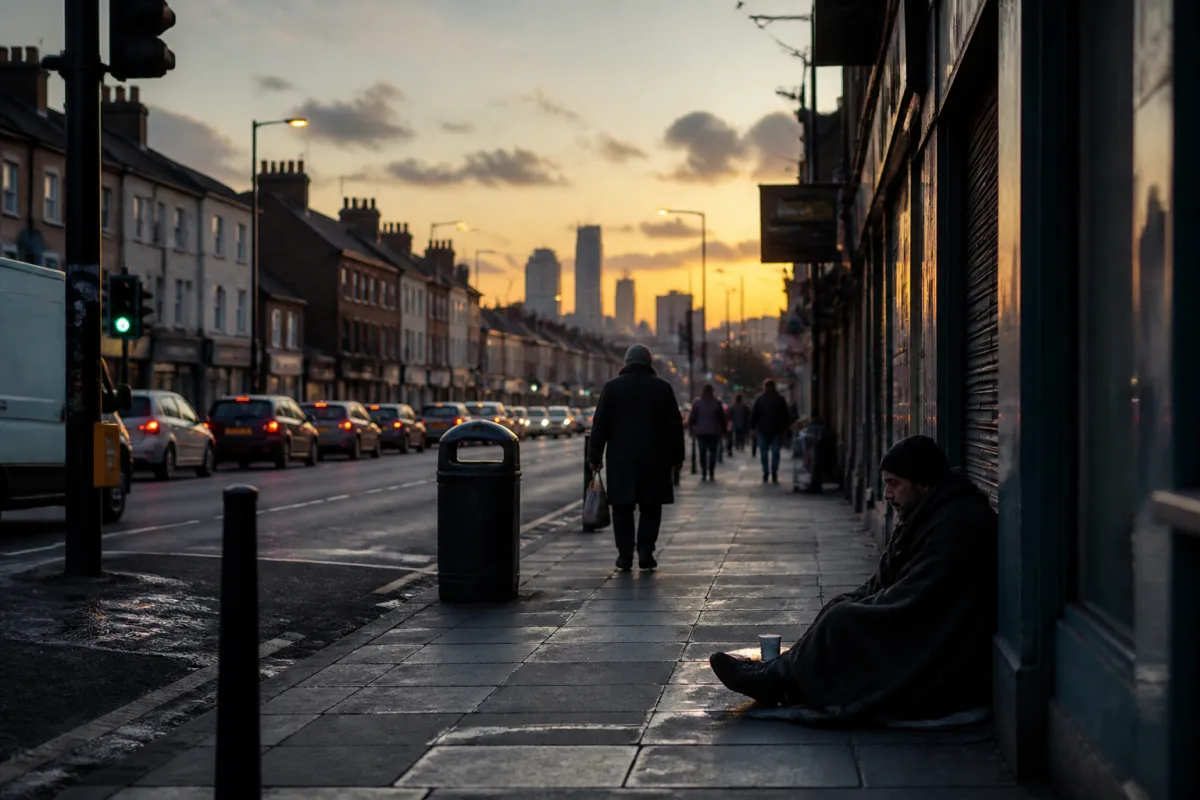
If someone offers to charge £25,000–£35,000 for a guaranteed family relocation to Scotland, it’s fraud — that visa simply doesn’t exist.
Frequently asked questions
Could Wales or Northern Ireland propose their own visa the way Scotland did?
In principle, yes — any of the four nations can draw up such a proposal, but approval still rests with Westminster, since immigration isn’t a matter regions decide on their own. The Scottish precedent shows that even a well-developed proposal with a clear economic case can be rejected outright.
What happens to someone who has already paid scammers for a non-existent Scottish visa?
There’s no direct answer here: what’s known is that victims of these schemes lose their money and end up without housing, and the relocation route itself is fictitious. Since no official visa exists, the payment grants no status or right of entry whatsoever — the money was handed over for a service that doesn’t physically exist.
Can you apply for a Scottish Visa right now?
No — the Scottish Visa is a proposal Westminster rejected, not an active visa route. Any offer to arrange this visa for a fee is a sign of fraud, since no official programme by that name exists.
How do you tell a genuine UK visa offer from a scam promising a guaranteed relocation?
The main red flag is a promise of a guaranteed outcome for a fixed sum: visa decisions are never sold, and a guarantee of entry is itself a sign of fraud. If the offer refers to a route that isn’t on the official list of current visas — as with the Scottish Visa — it’s false by definition.

Comments
Reader experience is useful, but it is not advice: check the rules on the official site.
No account needed: click Sign in, type any name, and you are done.