


IRCC has released its Immigration Levels Plan for 2027–2029, which keeps the target of 380,000 new permanent residents per year and introduces temporary additional PR categories specifically for people who are already working, studying, or hold protected status in Canada.
In short
- The base PR quota is locked in at 380,000 people per year for 2027–2029, unchanged.
- 64% of permanent resident target spots go to the economic class, including top talent.
- The share of French-speaking immigration outside Quebec will rise from 9.5% in 2027 to 12% in 2029.
- The international student quota is 150,000 spots, below the 220,000 quota for temporary workers.
- Beyond the base quota, one-time additional spots were introduced for 2026–2027: 33,000 for work permit holders and up to 115,000 for protected persons.
What the IRCC Immigration Levels Plan for 2027–2029 Actually Is
IRCC has published its Immigration Levels Plan for 2027–2029 — a document in which the Canadian government sets target numbers for temporary and permanent resident admissions three years ahead. On the IRCC page dedicated to the plan, three goals are stated: reducing pressure on the system from temporary residents, attracting highly skilled workers for permanent residence, and restoring trust in the immigration system by closing labour market gaps in the economy.
The base permanent residence quota is set at 380,000 people per year and, according to IRCC, stays unchanged for the entire life of the plan — that is, for 2027, 2028, and 2029. Within that quota, there’s a strong emphasis on economic immigration: 64% of all permanent resident target spots are allocated to the economic class, including the top talent category. The remaining spots are split between the family category, humanitarian programs, and refugees.
64% of all permanent resident target spots are allocated to the economic class, including the top talent category.
For people already working or studying in Canada who are aiming for the economic class, this means better odds of landing permanent residence in the coming years — as long as they stay in the country and keep working.
380,000 PR spots per year are locked in for 2027–2029 without changes, with 64% going to the economic class. This is the main benchmark for anyone planning to get PR in Canada over the next three years.
Plan Priorities: Top Talent, Regions, and Express Entry
The plan highlights seven key sectors for attracting top talent: education, healthcare, construction, artificial intelligence and digital innovation, defence, energy, and critical minerals. These are the main industries IRCC is betting on when selecting permanent resident candidates.
A separate focus is placed on regional needs — primarily the Atlantic Immigration Program, designed for the Atlantic provinces. The plan frames this as a push toward stable, predictable immigration that prioritizes specific regions rather than just major cities.
The Express Entry system has also changed: it’s become more targeted and now responds more precisely to labour market demand. To support this, a labour market integration factor was recently introduced — it measures how well a candidate’s profile matches the current needs of Canadian employers.
Education, healthcare, construction, AI and digital innovation, defence, energy, and critical minerals — if your occupation falls into one of these industries, your odds of being selected through Express Entry are higher.
French-Speaking Immigration Outside Quebec: A Growing Share
The target share of French-speaking immigration within the overall permanent residence plan is set to grow year over year: 9.5% in 2027, 10.5% in 2028, and 12% in 2029. IRCC explicitly names the strengthening of the Francophone population outside Quebec as one of the plan’s priorities.
For specific Francophone selection categories under Express Entry, a French language proficiency requirement applies (for example, CLB 7) — the exact conditions should be checked against the current program, since this is not a single baseline requirement across the entire plan.
The growing share in the plan addresses a concern that often comes up for people preparing for a French language exam: will Francophone selection rounds be scrapped after time and money have already gone into preparation? Based on the numbers built into the plan, the share of French-speaking immigration is set to increase rather than shrink, so studying French still makes sense for candidates counting on this category.
Based on the numbers built into the plan, the share of French-speaking immigration is set to increase rather than shrink, so studying French still makes sense for candidates counting on this category.
Share of French-speaking immigration outside Quebec rises by year
Target share of Francophone candidates in the overall PR plan, by year.
- Share of French-speaking immigrationMid-point year — 10.5% in 2028
Four Temporary PR Categories for People Already in Canada
Beyond the base target of 380,000 PR spots per year, IRCC is introducing temporary measures — an additional selection of permanent residence candidates among people already in Canada. These spots don’t count toward the main quota and are planned for 2026 and 2027; the goal is to reduce backlogged applications and meet humanitarian commitments.
Four categories have been announced:
- 33,000 spots for work permit holders. A one-time initiative for 2026–2027 for people already working in Canada on a work permit.
- Up to 115,000 spots for protected persons. A one-time initiative covering 2026 and 2027: during this period, PR applications will be processed from people who already hold protected person status and are in Canada.
- 100,000 spots for workers already working in Canada (per the source material). This category is described as available to workers outside Quebec and their family members awaiting a decision on a PR application. No official confirmation of this figure was found at the time of publication, so it should be treated as preliminary information, and current conditions should be checked on the IRCC website.
- Up to 100,000 spots for humanitarian categories (per the source material). This is said to presumably include applications from spouses and children of Canadian citizens and permanent residents who have already applied for PR, as well as separately mentioned citizens of Hong Kong and Ukraine. No official confirmation of this figure was found at the time of publication.
In other words, on top of the 380,000 PR spots per year, IRCC is making room for at least 100,000 more spots for workers already in the country, plus spots for protected persons and humanitarian categories — all aimed at people already in Canada.
Temporary additional PR spots for people already in Canada
One-time categories for 2026–2027, not counted toward the base 380,000 quota.
- Work permit holders33,000
- Protected personsup to 115,000
- Workers already in the country (per source material)100,000Not officially confirmed
- Humanitarian categories (per source material)up to 100,000Not officially confirmed
The additional spots for workers, protected persons, and humanitarian categories are one-time measures for 2026–2027, not part of the permanent 380,000 base quota.
What’s Happening with the International Student Quota
The quota for international students under the new plan is 150,000 spots, which is lower than the quota for temporary workers (220,000).
The quota for international students under the new plan is 150,000 spots, which is lower than the quota for temporary workers (220,000).
For people already studying in Canada, the numbers aren’t currently trending toward growth: the number of students among temporary residents is declining, and based on the plan’s language, that trend is likely to continue for a while.

What to Do If You’re Already Working or Studying in Canada
The new plan favours people already in Canada and working — that follows directly from the structure of the targets. 64% of permanent residence targets go to the economic class, and for those aiming specifically at that category and continuing to work in the country, the odds of getting PR in the coming years look decent.
Here’s what’s worth doing if you’re already in Canada:
- Keep working and maintain your status. Continuous employment and valid legal status are the foundation for eligibility under PNP and Express Entry.
- Track your permit deadlines. The temporary additional quota IRCC introduced as a one-time measure could help you get PR before your current work permit expires — but only if your status isn’t interrupted.
- Renew permits ahead of time and look for employer support. That’s one of the ways to keep your right to stay and keep applying while your PR is pending.
- Consider Francophone mobility if it applies to your situation — it’s a separate pathway that may speed up your application.
- Work on raising your CRS score. The higher your score, the better your chances of getting an invitation through Express Entry.
Staying in Canada, keeping your PNP and Express Entry eligibility intact, and following updates on these fronts is the practical minimum for anyone hoping to make use of the plan’s new priorities.
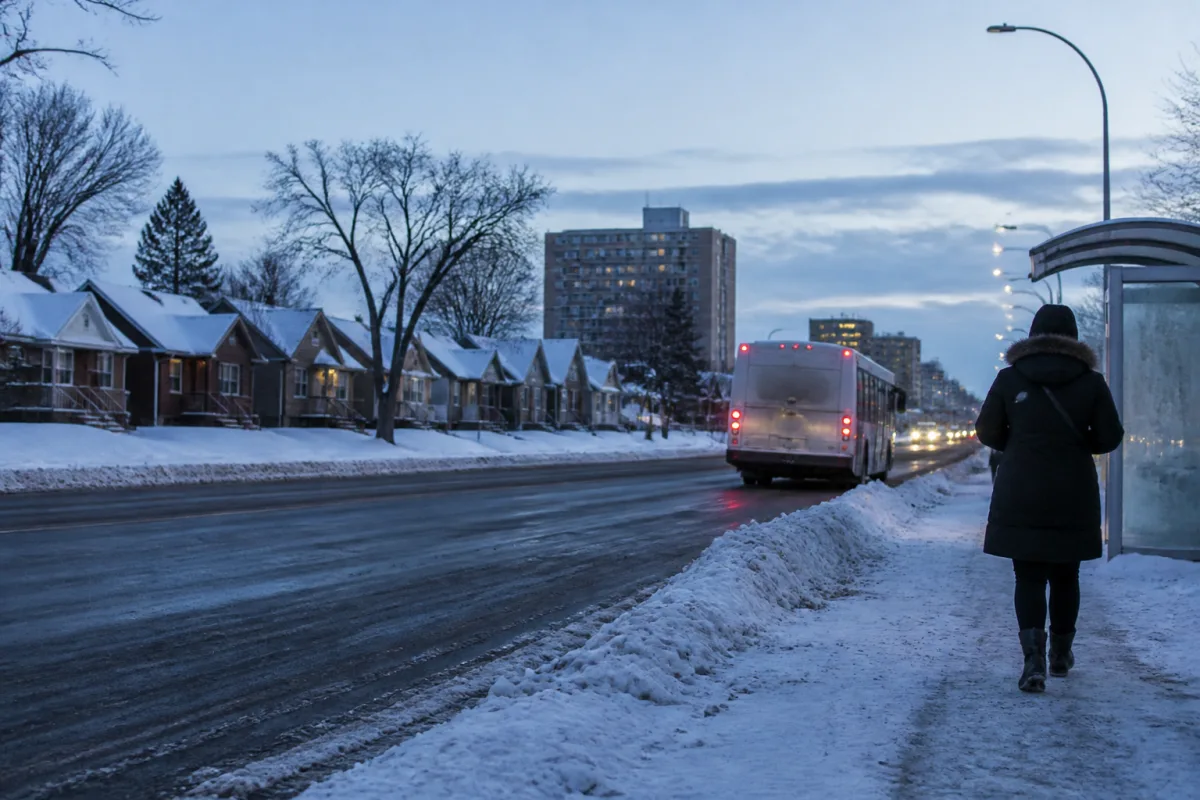
Keep your legal status valid, renew permits ahead of time, work on your CRS score, and keep an eye on Francophone pathways — this reduces the risk of falling out of the PR queue.
What to do if you’re already working or studying in Canada
Frequently asked questions
Can I apply for PR under a temporary additional category if my work permit expires before my application is processed?
The plan doesn’t include a separate guarantee of status extension while an application is being processed: the temporary quota is designed as a way to get PR before a permit expires, but to make that work, it’s important to renew the permit in advance and keep legal status continuous — otherwise the right to apply could be lost.
What happens to people who don’t fall into one of the four temporary PR categories?
For those who don’t qualify under the temporary categories for workers, protected persons, or humanitarian programs, the main route remains the base quota of 380,000 PR spots per year through the economic class, Express Entry, and the PNP, which accounts for the bulk of the plan’s spots.
Does the additional quota for workers apply to people located in Quebec?
No, the additional spots for workers already in Canada are intended for workers outside Quebec and their family members who are awaiting a decision on a PR application.
Can you get PR under the Francophone category without a CLB 7 level?
The French language requirement, such as CLB 7, applies to specific Francophone selection categories under Express Entry and is not a single baseline condition for the entire plan — the exact requirements need to be checked against the current program.
Will the reduced international student quota affect people already studying in Canada?
There’s no direct indication that the reduced quota applies to students currently enrolled — it refers to new spots under the plan. That said, the number of students among temporary residents overall is declining, and based on the plan, that trend is likely to continue for a while.
Can I apply under one of the humanitarian categories if I haven’t submitted a PR application yet?
The humanitarian category described is intended for people who have already applied for permanent residence — spouses and children of Canadian citizens and permanent residents, as well as separately mentioned citizens of Hong Kong and Ukraine. The figure of 100,000 spots hasn’t been officially confirmed, so current conditions should be checked on the IRCC website.


Comments
Reader experience is useful, but it is not advice: check the rules on the official site.
No account needed: click Sign in, type any name, and you are done.